
















A system to help doctors and nurses spot when children are becoming seriously ill is being introduced in A&E departments across England.
The National Paediatric Early Warning System (PEWS) uses a scoring system to monitor vital signs, including heart rate, breathing, blood pressure and oxygen levels. It’s already used for children admitted to hospital, but this winter will be the first time it’s introduced in A&E.
NHS England said the rollout will make it the largest standardised scoring system of its kind in the world.
Duncan Burton, chief nursing officer for England, said: ‘In fast-paced emergency departments, staff need to spot quickly when a child’s condition is deteriorating.
‘This standardised approach will help them recognise the warning sings, communicate concerns, and make timely decisions when every moment matters.
‘Just as importantly, it makes sure the concerns of children, parents and carers are heard and can prompt action.’
The system includes separate charts for babies, children and young people, taking account of changes in vital signs as they grow.
According to figures from NHS England, more than six million children attend A&E each year.
Dr Mike McKean, vice president for policy at the Royal College of Paediatrics and Child Health, which helped develop PEWS, said: ‘I am delighted to see this initiative being rolled out ahead of the winter period, which is always a busy and challenging time for hospitals and healthcare professionals.
‘The emergency department PEWS charts are extremely important tools that will support all paediatricians and wider child health teams to spot deterioration in children in hospital.’
Professor Lynn Woolsey, of the Royal College of Nursing, said early intervention was crucial to keeping children safe, (a point tragically illustrated by the case of Martha Mills).
‘Early escalation is critical for keeping patients safe, particularly children.’ Woolsey said. ‘Already saving lives in other parts of the NHS, this system is a vital tool for nursing staff to quickly identify when a child is deteriorating, and act.’
Over 90 hospitals across England already use PEWS, with NHS England data suggesting they have consistently lower rates of cardiac arrests among patients.
‘The emphasis on listening to children, young people, parents and carers is especially important and having a standardised approach across emergency departments and paediatric wards will help support consistent assessment, communication and decision-making,’ Woolsey added.
‘It will be crucial to ensure there are enough nursing staff, with enough capacity, and the necessary training and support, to spot deterioration and use the system effectively.’
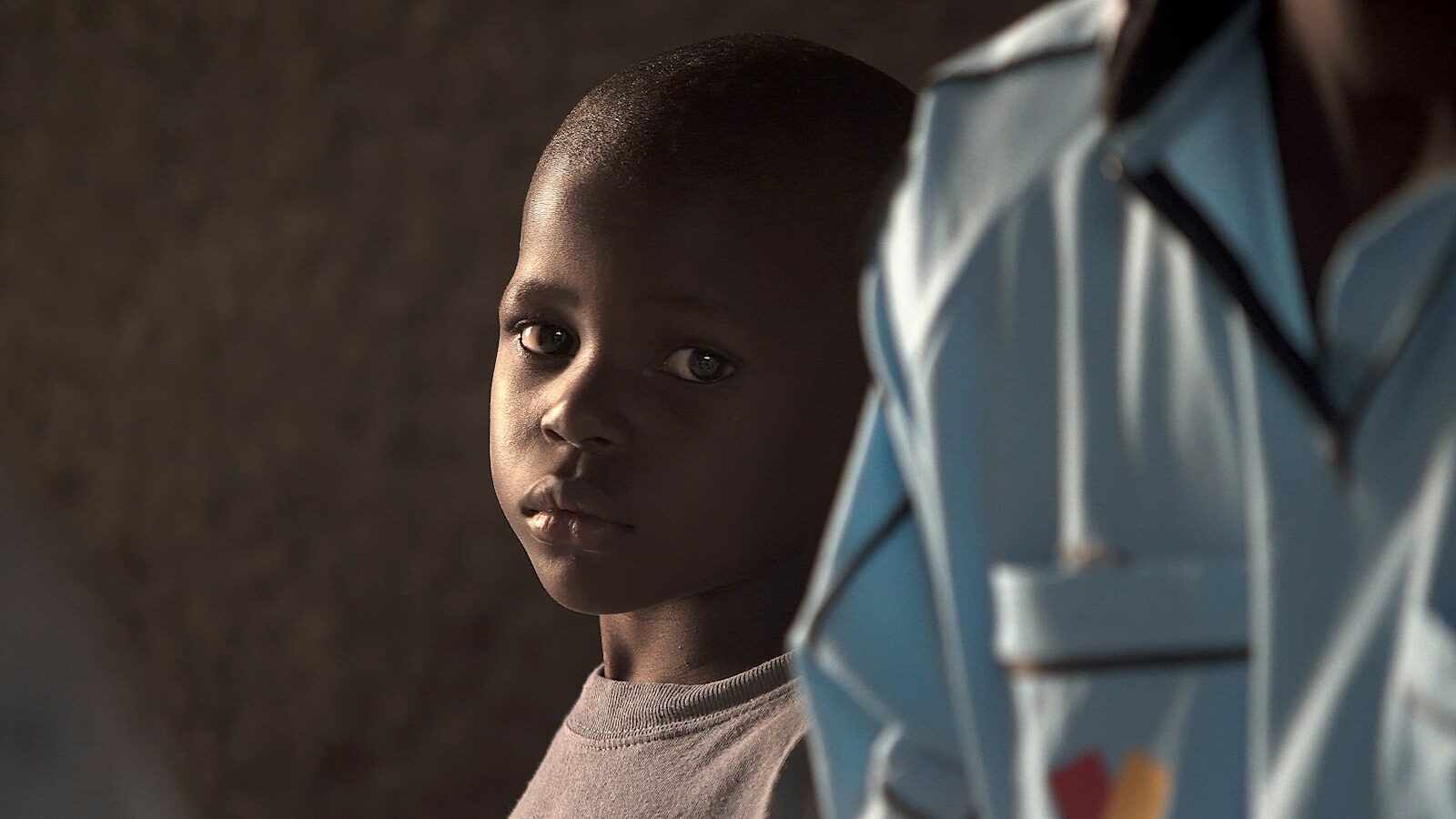
Image: TopSphere Media/UnSplash
In related news:
Prime minister should make tackling obesity a personal mission, MPs say
Restrictions on vapes and nicotine products come into force across UK
Leave a Reply