








82,910 children were in care in England and Wales at the end of March 2026, according to the latest government figures.
Published by the Department for Education (DfE), the data shows children looked after by local authorities increased by 1,190, a rise of 1% on the previous year.
The rate increased from 68 to 69 children for every 10,000 under-18s.
Of the children in care, 76,920 were not unaccompanied asylum-seeking children, an increase of 1,770 (2%) since 2025, while the figure for those who were fell by 580 (9%) to 6,000.
Meanwhile, 2,720 children left care following adoption which was 11% fewer than the year prior. The number leaving through special guardianship also fell by 6%.
Despite the annual rise, the rate of children in care remains below the peak of 71 per 100,000 in 2023.
Responding to the figures, Cllr Natalie Oliver, chair of the Local Government Association’s Children, Young People and Families Committee, said: ‘Councils, foster carers and children’s homes workers are doing all they can to support children who cannot live with their families, and these stark figures are a reminder of the vital need for children’s social care to have adequate long-term funding so children get the support they need to flourish in life.
‘While increased investment in early support and some additional funding for placements is positive, costs of placements for children with the most complex needs continue to spiral and it was disappointing the autumn dudget did not announce any further funding for these vital services.’
‘We also desperately need to see more investment from health services to ensure that both children and their families in need of support, especially mental health support, receive this as soon as they need it,’ she added. ‘It is vital we tackle excessive profiteering in the market, and we support the introduction of a profit cap, as well as measures in the Children’s Wellbeing and Schools Bill to increase oversight of the largest providers of children’s homes.’
Under the Children Act 1989, a child is classed as looked after if they are accommodated by a local authority for more than 24 hours or subject to a care or placement order.
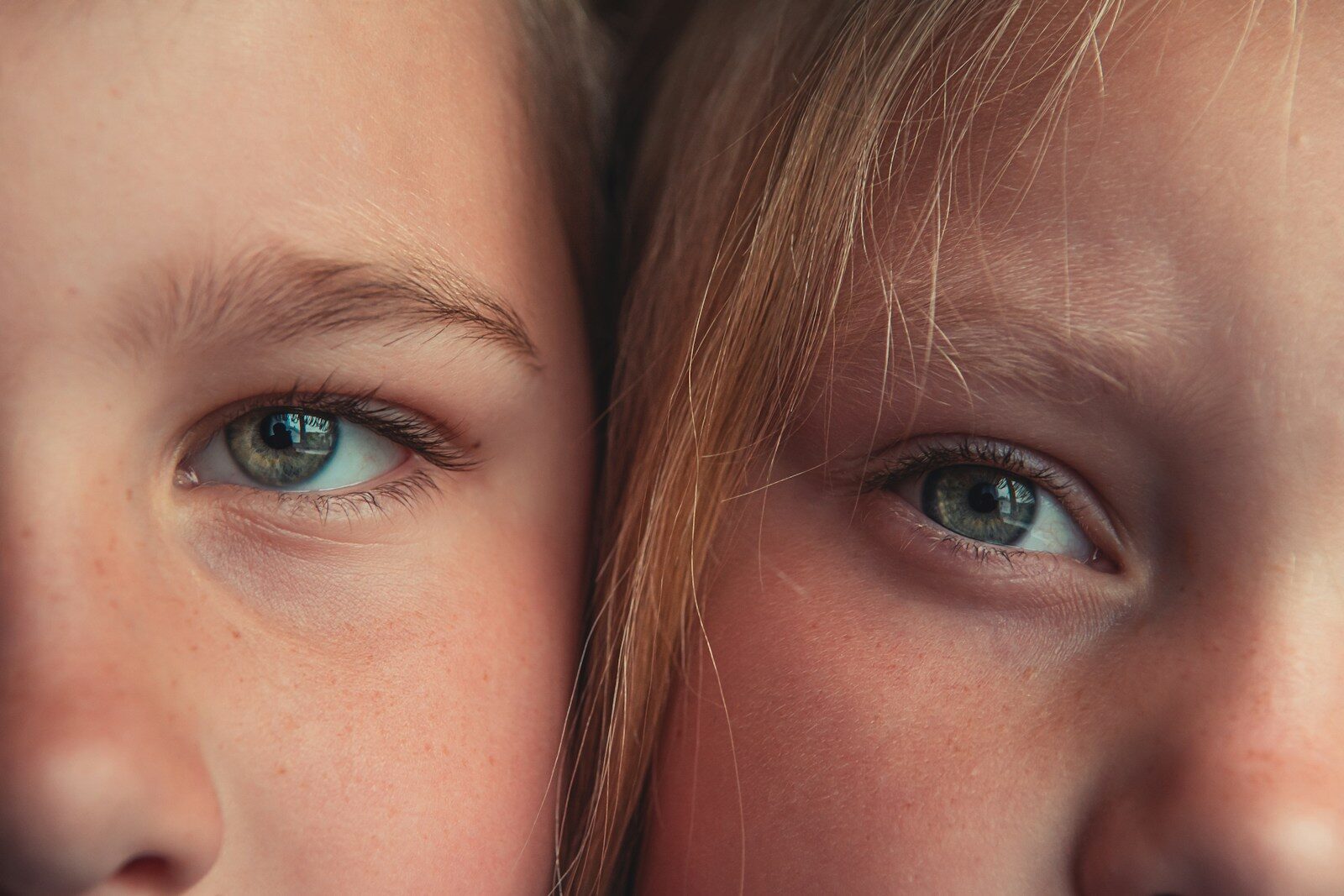
Image: Andriyko Podilnyk/UnSplash
In related news:
LGBTQ+ young people blackmailed over sexuality and intimate images
New NHS and social care teams to keep people out of hospital
Leave a Reply