









Half a million of the most vulnerable people in England will receive more proactive support under plans for new NHS and social care teams.
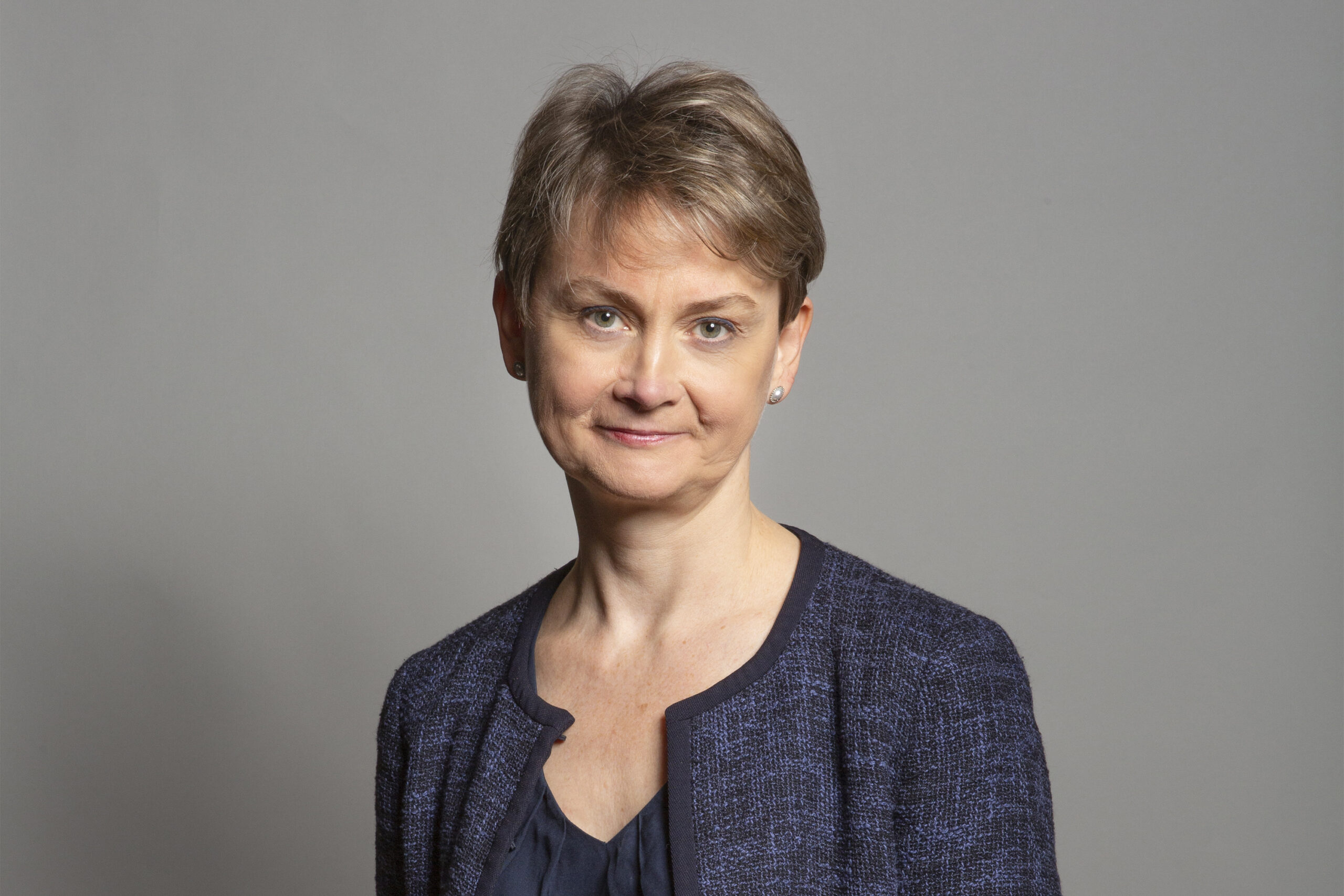
In a speech on Wednesday (18 November), Health Secretary Yvette Cooper said elderly people, care home residents, those with dementia and people nearing the end of their lives will be the first to benefit.
She said the scheme should support 500,000 individuals by next April and eventually include two million people.
Cooper spoke at The King’s Funds annual conference, which the editor of our sister title Healthcare Management is currently attending (and how I first found out about the news), describing the plans as a ‘downpayment’ on the national care service promised by Andy Burnham.
Once operational, the plans are expected to cut 4.3 million hospital bed days and reduce the number of people experiencing ‘corridor care’.
‘Neighbourhood support teams’ will look after the most vulnerable people in their local communities by developing care arrangements to help them stay as well as possible.
Patients and their families will also have access to a 24/7 helpline, acting as a single point of contact. However, it’s not yet clear when this part of the service will be introduced.
Dr Emma Rowland, NHS executive director for performance and delivery, said: ‘We want to be there for the most vulnerable patients and their families around the clock, offering them the support they need to avoid unnecessary and stressful trips to A&E and stays in hospital.’
Today’s news comes after the Department of Health and Social Care announced plans to change how home care is delivered.
Responding to the plans, Sarah Woolnough, chief executive of The King’s Fund, said: ‘Action to strengthen community care, organise social care services around neighbourhoods and provide early intervention for vulnerable patients and their families could make a real impact, even if it comes too late to make much difference this winter.
‘Yet without further detail on resources, it remains to be seen how the new service will be established and operate effectively in a system that is already overstretched, facing local reorganisations, and financial pressures.’
‘Expecting savings to come from existing NHS budgets risks placing further pressure on hospitals, which cannot simply scale back overnight,’ she added. ‘Without a more fundamental shift in how funding is allocated across primary care, social care and community services, the new service will be unable to absorb any additional demand, and resources will continue to be drawn back into the acute sector.’
Image: House of Commons
In related news:
Safer recruitment in social care: why vacancies should never compromise safeguarding
Leave a Reply