
















Gloucestershire County Council has created a supportive, relationship-based culture where social workers can develop their careers and make a lasting difference to children and families.
Service director for children and families, Julie Miles, tells Social Care Today how investment in people, strong leadership and innovation are helping the workforce to flourish.
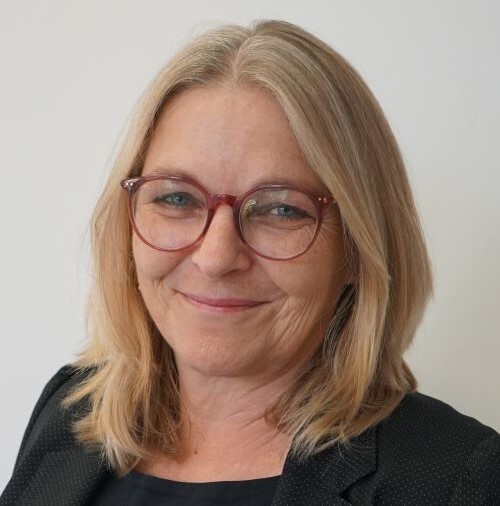
Julie Miles, service director for children and families
Gloucestershire County Council’s children’s services are built around a clear ambition: to give social workers the support, confidence and time they need to do their best work with children and families.
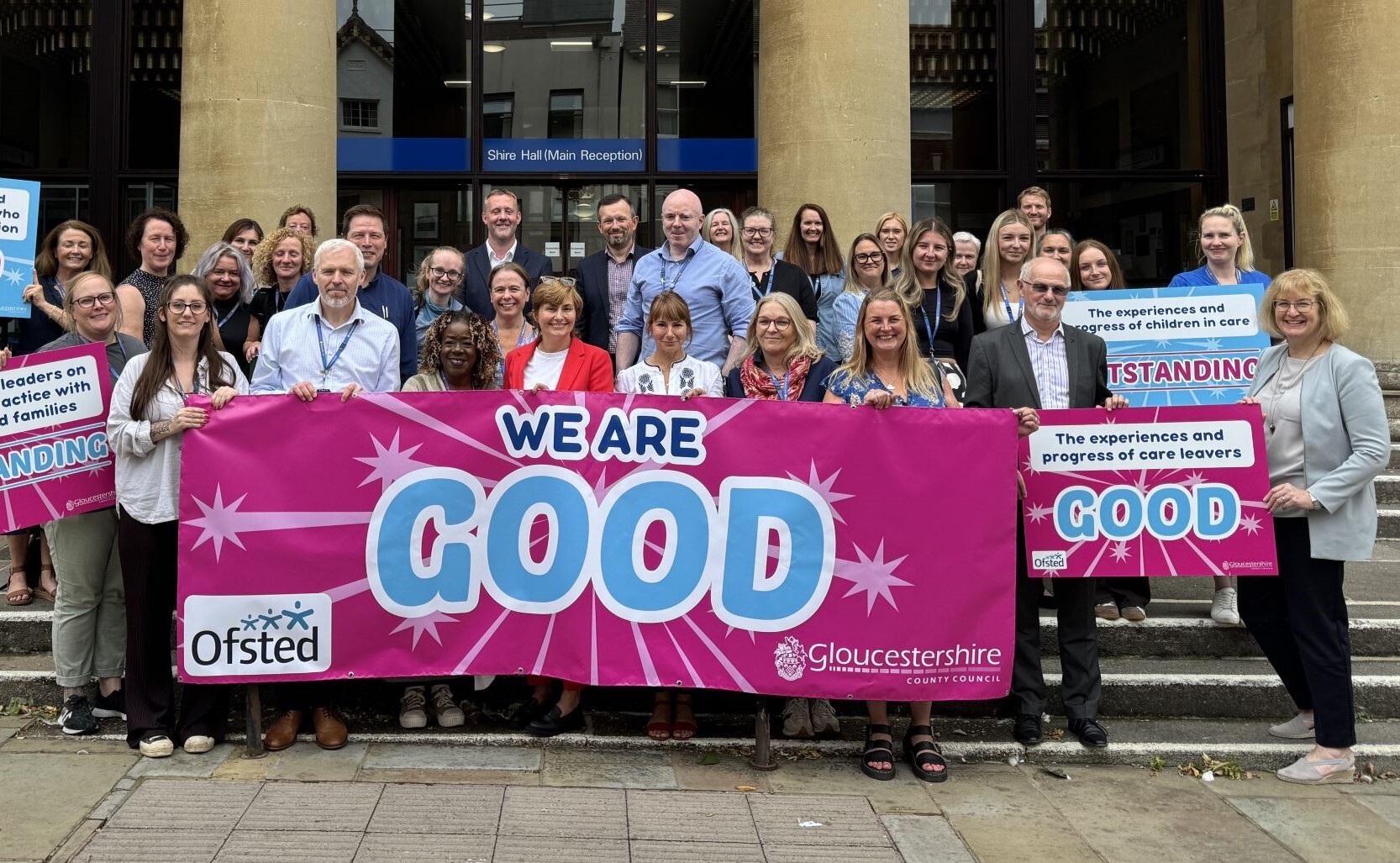
That commitment was recognised by Ofsted, which in June 2025 rated the service ‘good’ overall and judged leadership and support for children in care to be ‘outstanding’. The inspectors highlighted leaders’ strong understanding of practice, the improving quality of services and an increasingly stable and secure workforce.
For Julie Miles, service director for children and families, the progress reflects years of collaboration with staff, families, children and partner organisations. Julie joined the council as a social worker in 2001 and has developed her career in Gloucestershire, giving her first-hand insight into what helps practitioners feel valued and able to make a difference.
‘We have invested massively in our staff,’ Julie says. ‘They are the most important asset and they need to feel supported to deliver outstanding services to children and their families.’
That investment is reflected in a more stable workforce. Between 2019 and 2026, staff turnover more than halved, falling from 34.7% to 15.9%. Greater stability gives social workers more opportunity to build consistent, trusting relationships with children and families, while benefiting from the knowledge and support of experienced colleagues.
Visible and approachable leadership is central to the culture. Julie holds monthly ‘meet the director’ sessions, either through dedicated meetings or by working from different locations so colleagues can speak to her informally.
‘I want staff to feel they can contact me and talk things through. That’s the culture we want here,’ she says.
The same approach is guiding preparations for the government’s Families First Programme. Gloucestershire County Council is introducing the programme early, November 2026, which is ahead of the government’s deadline of March 2027, and gives teams time to become familiar with the changes, ask questions and shape how the new approach works in practice.
‘For leaders, it’s about being visible and responding to staff ,’ Julie says. ‘We know change can feel significant, so it is important that staff feel informed and supported.’
At the heart of the service is relationship-based practice. Social workers are encouraged to spend meaningful time with children and families, work closely with other professionals and use their judgement and expertise.
Technology is being used to support that work rather than get in the way. Through the ‘more social work, less paperwork’ initiative, practitioners have mobile equipment that helps them work more flexibly while they are with families. The service is also streamlining referral forms to reduce time spent on administration.
Newly qualified social workers receive structured support through Gloucestershire’s in-house academy. The Assessed and Supported Year in Employment (ASYE) programme includes protected caseloads, dedicated study days and regular reflective supervision. A second year of support has also been introduced so that practitioners can build confidence gradually as their careers develop.
‘When I joined Gloucestershire, I had a two-week induction before I began working with children and families,’ Julie explains. ‘Through our ASYE programme, we are creating that space for newly qualified social workers to understand how we work, learn from colleagues and develop their practice.’
Children and young people also play an active role in shaping the service. Gloucestershire’s 15 young ambassadors, aged 16 to 25 and with lived experience of children’s services, contribute to influential boards, recruitment interviews and conversations with children across the county.
‘They mentor us, hold us to account and tell us what they think,’ Julie says. ‘They are such a part of our culture now that we don’t do anything without consulting them.’
This commitment to listening and learning creates an environment where staff are encouraged to improve services with the people who use them. It also keeps attention firmly on the purpose of social work: helping children and families achieve the best possible outcomes.
‘We go into this profession to make a difference,’ Julie says. ‘The way we are working now puts children and families at the heart of our work while empowering our social workers to be the best they can be.’
For social workers considering their next step, Gloucestershire offers the opportunity to join a stable, ambitious service that values professional development, reflective practice and strong relationships. Whether you are newly qualified or bring years of experience, you can build your career in a team where your voice is heard and your work has a direct impact on children and families.
Make your next move in Gloucestershire
Explore social work opportunities with Gloucestershire County Council and discover how you can develop your career while making a difference for children and families. Visit the council’s careers website: Careers at Gloucestershire County Council | Careers hub.
Images: Gloucestershire County Council
In related news:
Assisted dying bill is gone, but palliative care can’t go with it
Leave a Reply