









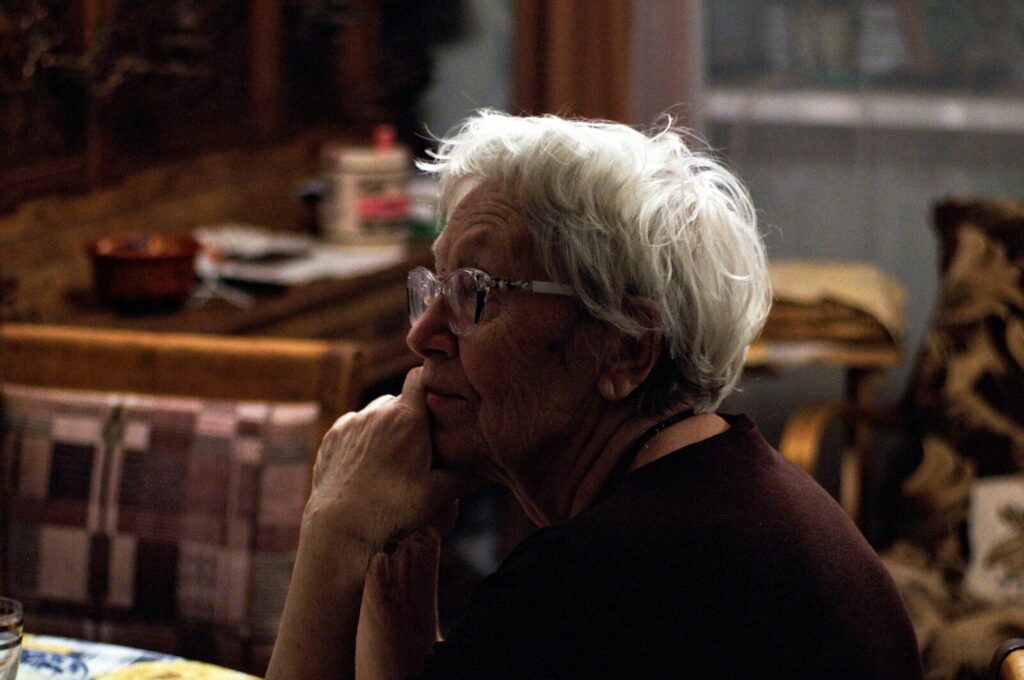





Almost half of unpaid carers claim their role is not understood or valued by their community, according to new research published for Carers Week 2026.
Findings show 44% of people currently caring believe their role is overlooked, while 39% of former carers felt the same when they were providing care – an estimated ten million people in total.
An Opinium poll of more than 4,000 adults also found carers often struggle to take part in everyday community life. Nearly a quarter (23%) said they had been unable to join local groups or activities while caring, while 20% said they couldn’t maintain a healthy lifestyle.
Among those who felt organisations or services were not carer friendly, 36% said this had a negative impact on their physical or mental health, while 35% said it made it harder to look after the person they care for.
A carer-friendly community is described as one that recognises carers and takes practical steps to support them, including responding to their needs.
‘Being an unpaid carer, it’s a huge responsibility and it’s a massive commitment for the rest of your life,’ Emma Martin, who cares for her daughter, said. ‘You may one day find yourself in that situation, and you would want a support network, some way to contact someone who knows what you are going through.
‘It could be you in that position in the future so please look out for us because we are the backbone of society with the amount of caring that we do.’
The research highlighted some services were more accepting than others – 67% of carers said pharmacies were supportive, but 21% said public transport was not.
Of those who felt places were not carer-friendly, 41% said there was a lack of understanding about job, while 37% said organisations did not fully consider the impact it can have.
Against this backdrop, Carers UK are calling for greater awareness, encouraging communities to share good practice during Carers Week (8–14 June).
Helen Walker, chief executive of Carers UK, said: ‘Our findings reinforce the importance of Carers Week in shining a spotlight on unpaid care and driving greater awareness, recognition and support.
‘When unpaid carers are left without the support they need, there are real consequences for their health, wellbeing, finances and ability to stay connected to everyday life.’
Image: Shutterstock
In related news:
Louder than expectations: punk band’s story heads to DocFest
Are we logging off too early? Researchers question social media bans
Leave a Reply