











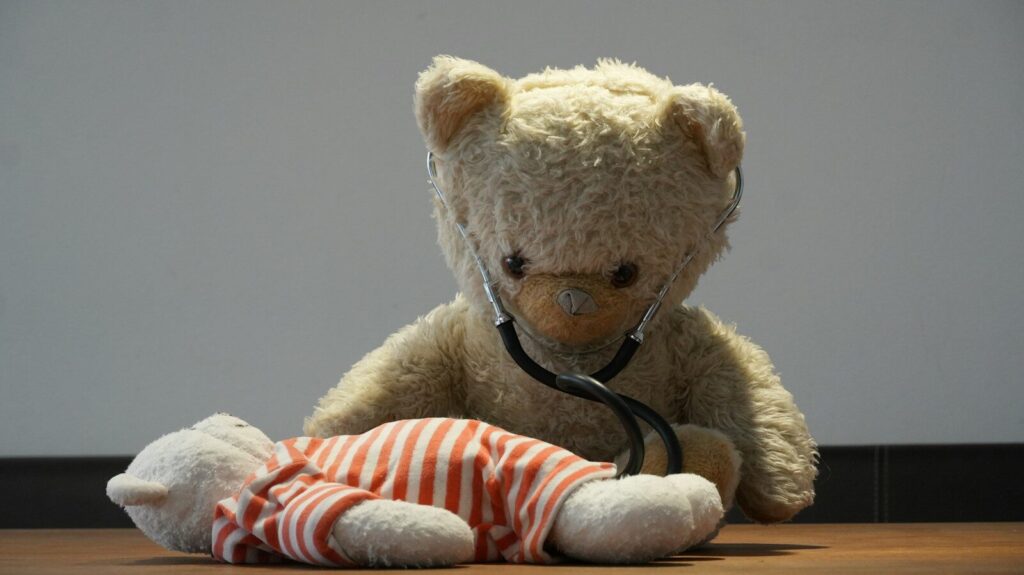
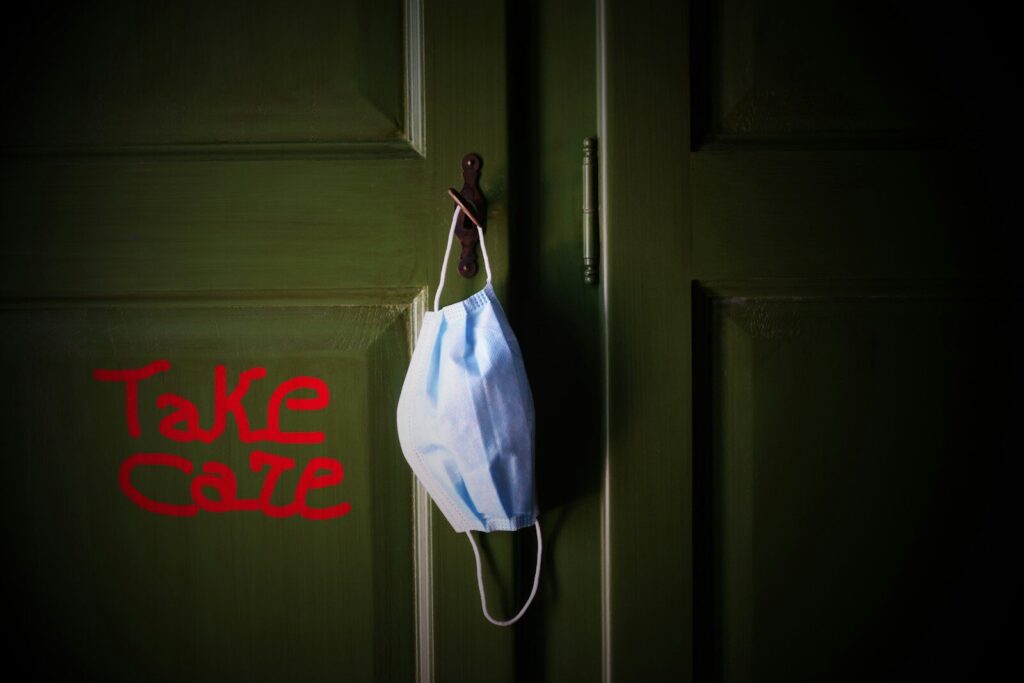



Family carers are being shut out from decisions about the care of their loved ones in mental health units.
Research from Manchester Metropolitan University, involving 27 carers across the UK, found families of people with disabilities and mental health conditions were being excluded from decisions about their relatives care, despite wanting to tell staff what could trigger distress.
Some carers described their family members as being restrained, heavily sedated or kept in segregation for long periods.
One regarded: ‘The hospital was supposed to keep her safe, but it became the place where the most harm happened.’
Researchers said carers believed some of the incidents they described could have been avoided if staff had listened to families sooner.
They said behaviour described as ‘challenging’ was often a sign of distress or an unmet need.
Elaine Craig, who led the research, said: ‘When we label distress as ‘challenging behaviour’, we stop asking what that person is trying to tell us, and that’s when care turns into control.’
The study, which can be found in full here, also found some carers had lost trust in services and others said they were worried about speaking out.
With this in mind, the research team has called for families to have a bigger role in planning care and in efforts to reduce the use of restraint and other restrictive practices.
Craig added: ‘Families turn to services in their most vulnerable moments, seeking care, understanding and safety. Instead, they met systems where distress is misread, voices are silenced and people are reduced to labels rather than seen as human beings.
‘In those conditions, care can quickly become control and harm becomes part of the system rather than an exception. Meaningful partnerships with families must be central to reform.’
This study adds to previous research by Manchester Met into mental health inequalities, including the largest ever study on systemic racism in the mental health sector.
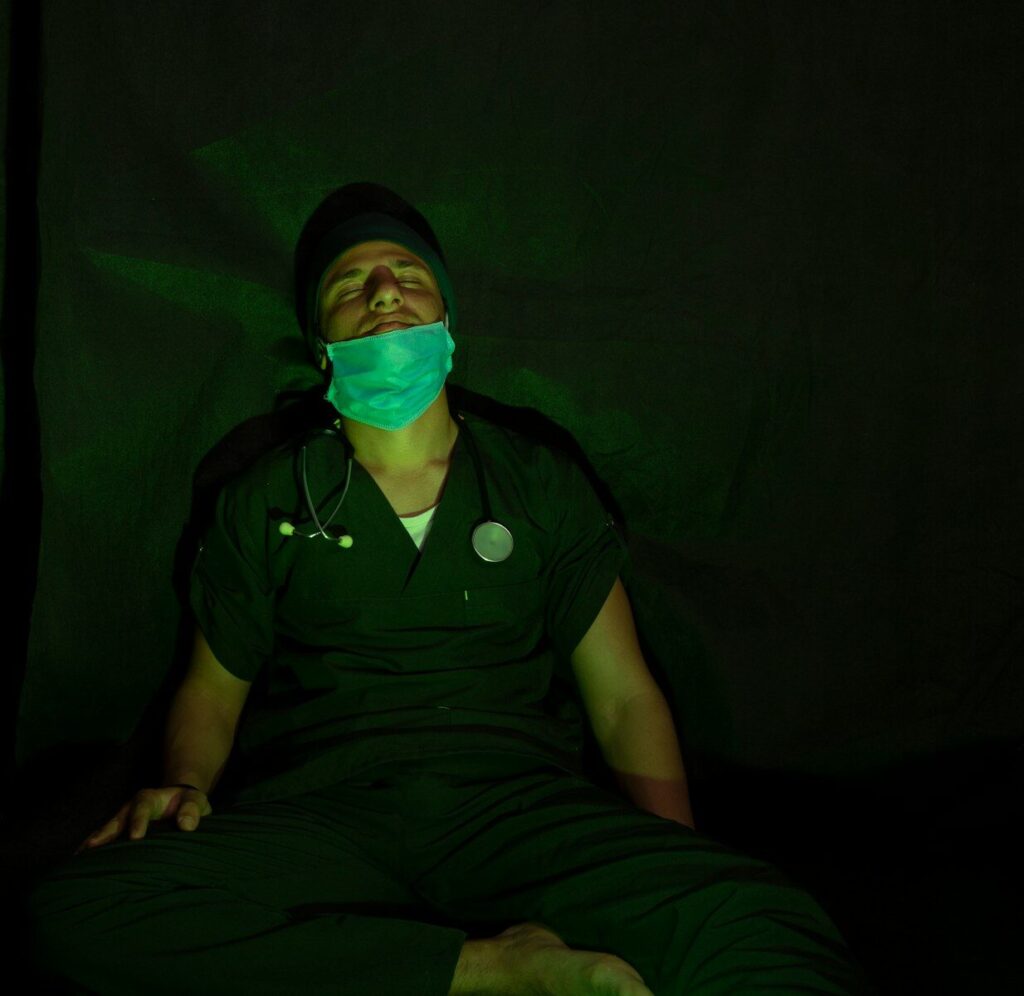
Image: Road Trip with Raj/UnSplash
In related news:
‘Disabled people are being regarded as an expensive luxury’: Mik Scarlet on disability rights
First national call for evidence on spiritual and cultic abuse
Leave a Reply