














Most people significantly underestimate their chances of becoming an unpaid carer, even though most recognise the system couldn’t cope without them.
A survey found people thought 38% of the UK population would provide unpaid care at some point in their lives, but the actual figure is around 65%.
Men were more likely to underestimate the chances, with an estimate of 27%, compared with 50% among women.
But 73% of people said the health and social care system would collapse without unpaid carers.
The research also found 62% of people thought caring for someone should be seen as a responsibility shared by society, with more government support.
A mere 14% said it was primarily a personal responsibility that didn’t require further support.
The findings come from a survey of 2,050 UK adults carried out by Opinium between 26 and 28 August.
The research comes as the government asks the public for views on the future of social care through its Big Conversation on Care, including how much families should be expected to do themselves.
What would help carers?
The survey revealed reliable daytime or overnight breaks were the biggest priority for unpaid carers, with half of those questioned choosing them.
Meanwhile, paid time off work was chosen by 34%.
More than half of people also felt social care was given less priority than healthcare, while 63% said care workers were paid too little.
Researchers have called for care to be organised around people’s needs, with better links between health and social care services.
Helen Walker, chief executive at Carers UK, said: ‘Caring for someone can have a significant impact on people’s lives and support falls woefully short of what’s needed.
‘Unpaid carers can face devastating negative consequences for their work and family life. They can be pushed into poverty and ill health whilst struggling to get the help they desperately need and deserve.
‘Many people want to care for family members and friends, but too often they are left to struggle on their own without breaks or the right support.’
The full report from King’s Better Health & Care Hub, King’s Health Partners and the policy Institute at King’s Colege London, can be read here.
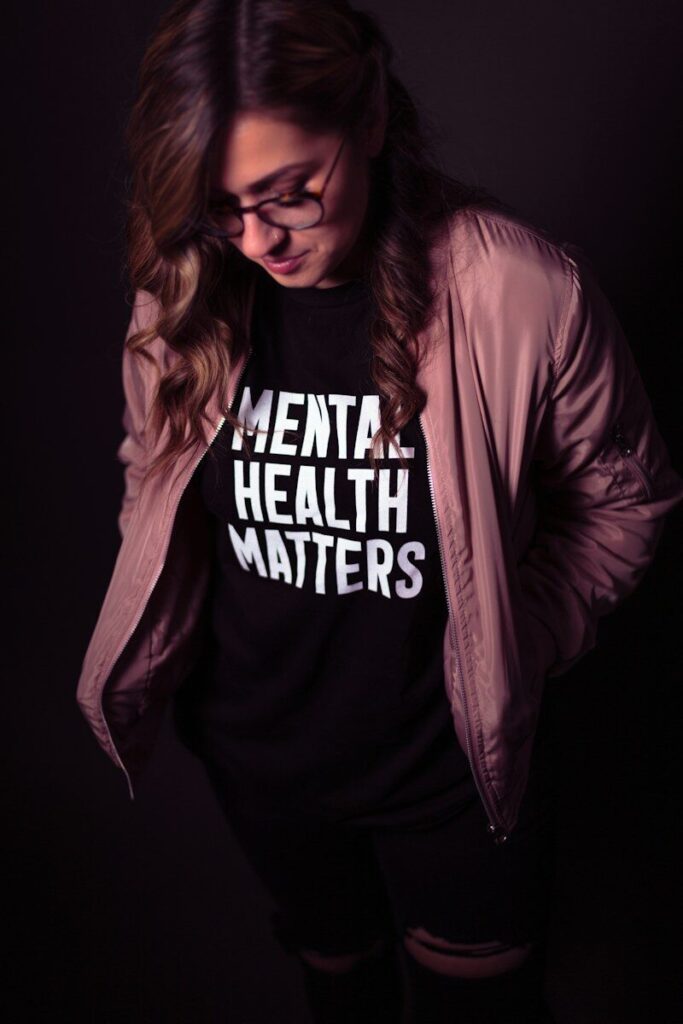
Photo: Jsme MILA
In related news:
Leave a Reply