












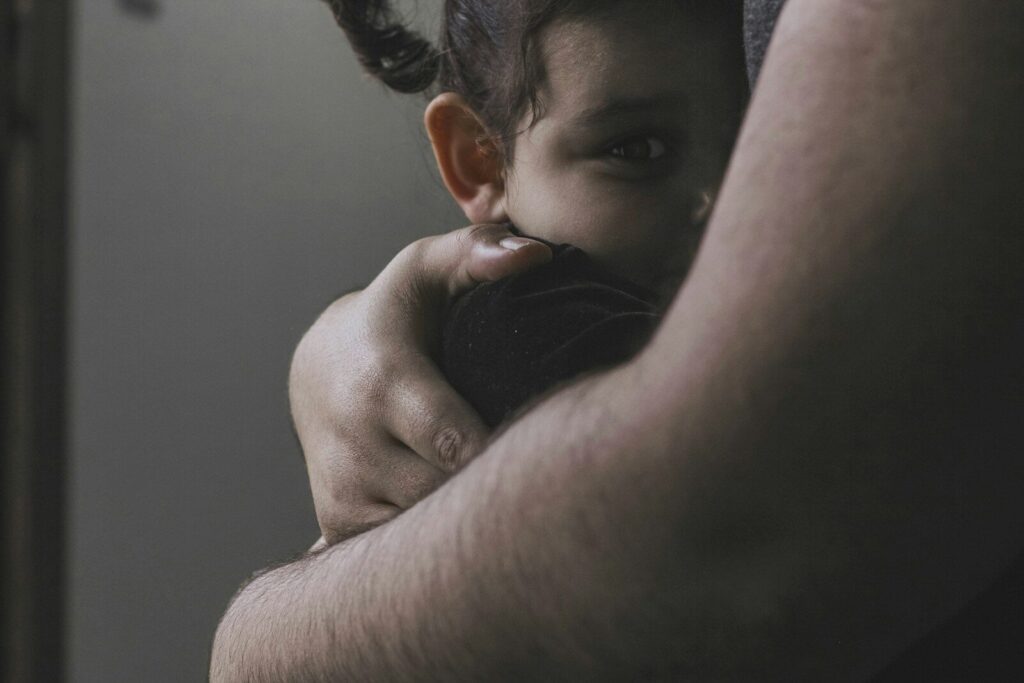

Children from poorer families are almost twice as likely to experience anxiety or depression by the age of 14, according to new research.
The findings are part of a new report from the Centre for Mental Health, which looks at how the places children grow up can affect their wellbeing.
Poverty, poor housing, a lack of safe green spaces and difficulties getting support can all contribute to mental health problems.
The study draws on research from Born in Bradford, which found children from the poorest 20% of households were almost twice as likely to experience anxiety or depression.
Despite needing more help, these children were less likely to be referred for support.
The report says this is not because disadvantaged families are less willing to seek help. Instead, barriers such as transport costs, language, stigma and unfamiliar services can make it harder to access support.
Where a child lives can also affect the support they do, or don’t, receive. In Bradford, children living on neighbouring streets can have access to different mental health services, creating a ‘postcode lottery’.
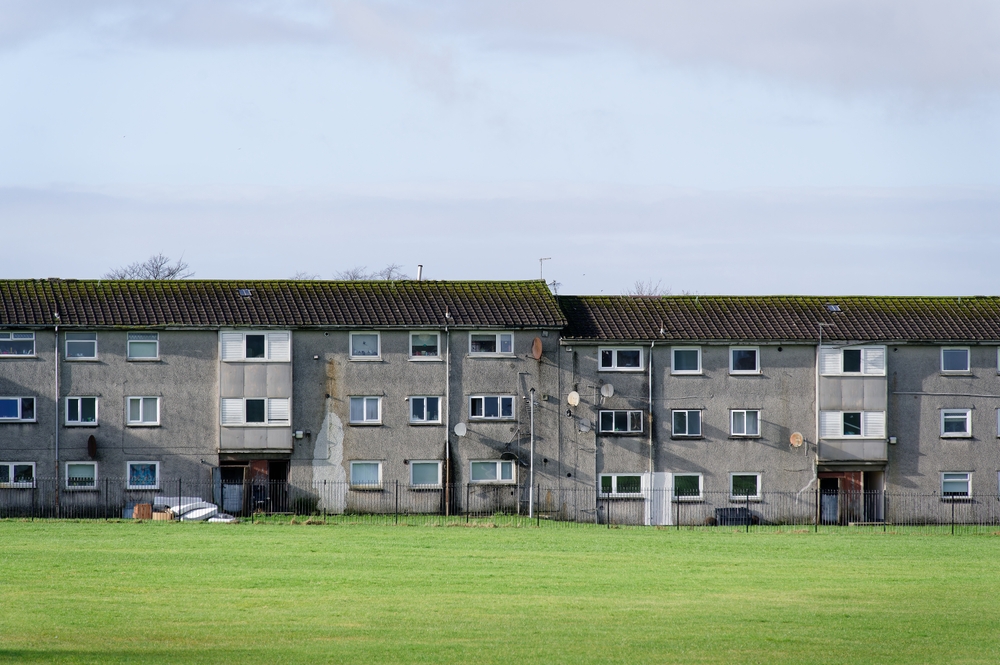
Housing is another concern. Living in a home with damp and mould, overcrowding or long delays over repairs can cause stress and make people feel isolated.
Residents in Bradford and Tower Hamlets said overcrowding was the biggest local problem affecting their mental health.
Access to green space matters too, but the report says parks alone are not enough. Their quality is more important, with poor maintenance, rubbish and antisocial behaviour discouraging families from using them.
Schools and community groups can also provide support. Activities such as gardening and sports can give young people an alternative way of dealing with their mental health, particularly if they don’t want to speak to a professional.
However, these kind of projects depend on short-term funding, leaving organisations unable to plan for the future.
The Centre for Mental Health is calling on health services to work better with schools, housing and other local services. It also wants the government to expand mental health support and make NHS services more responsive to the needs of multicultural communities.
The charity also argues communities should never be described as ‘hard to reach’. Instead, services should be asking why some families struggle to use them and remove any barriers.
Andy Bell, chief executive at Centre for Mental Health, said: ‘Mental health is made in communities. The places we’re born in, we grow up in, and we have our families in, profoundly affect our mental health and that of future generations.
‘This research once again shows that investing in communities and creating mentally healthier places is essential to turn around the nation’s declining mental wellbeing.’
Bernadka Dubicka, chair of child and adolescent psychiatry at Hull York Medical School, added: ‘This report highlights what we see day to day in mental health services – the mental health of our children cannot be detached from the world in which they live.’
The full report can be found here
Photo: Shutterstock
In related news:
Local authorities spend £255m on illegal unregistered care homes
Leave a Reply