











Almost 10,000 people were diagnosed with mouth cancer in 2024, a 40% increase in 10 years, according to NHS England figures.
Data shows 9,673 people in England were diagnosed in 2024, compared with 6,908 in 2014.
The disease killed 3,650 people across the UK two years ago, an average of 10 every day.
Against this backdrop, a report published by the Oral Health Foundation for Mouth Cancer Action Month in November sets out 11 recommendations for tackling the disease.
They include introducing minimum unit pricing for alcohol, putting cancer warnings on alcohol labels and providing more funded support for people trying to stop using tobacco.
The report also calls for catch up HPV vaccinations for young people who previously missed out.
Dr Rachael England, head of policy and advocacy at the Oral Health Foundation, said: ‘If we fail to act, we risk more preventable cancers and more people waiting too long for a diagnosis. The government must make prevention and early diagnosis a priority, backed by sustained funding and services people can actually access.’
Dr Giota Mitrou, executive director of research and policy at World Cancer Research Fund International, added: ‘The urgent need for government action to tackle rising rates of mouth cancer in the UK is undeniable. Prevention is better than cure and must be a focus.
‘Whilst welcome progress has been made on smoking, action on alcohol continues to lag far behind. With alcohol linked to over a third of mouth cancer cases in the UK, this is unacceptable.’
Alongside alcohol warnings, the report, which can be read in full here, highlights gaps in PDV vaccination rates. In 2024-25, over a quarter of girls and a third of boys in Year 8 had not received the vaccine.
It also recommends routine mouth checks for adults at higher risk of the disease, as well as improvements to the way patients with suspected cancer symptoms are referred.
Fewer than half of adults knew their dentist checks for mouth cancer during routine examinations, the report found.
Dr Neil Sikka, director of dentistry at Bupa Dental Care, said: ‘Dental teams are uniquely placed to identify changes in the mouth, often before patients notice them themselves.
‘That’s why regular dental check-ups remain so important, alongside being familiar with what is normal for your own mouth.
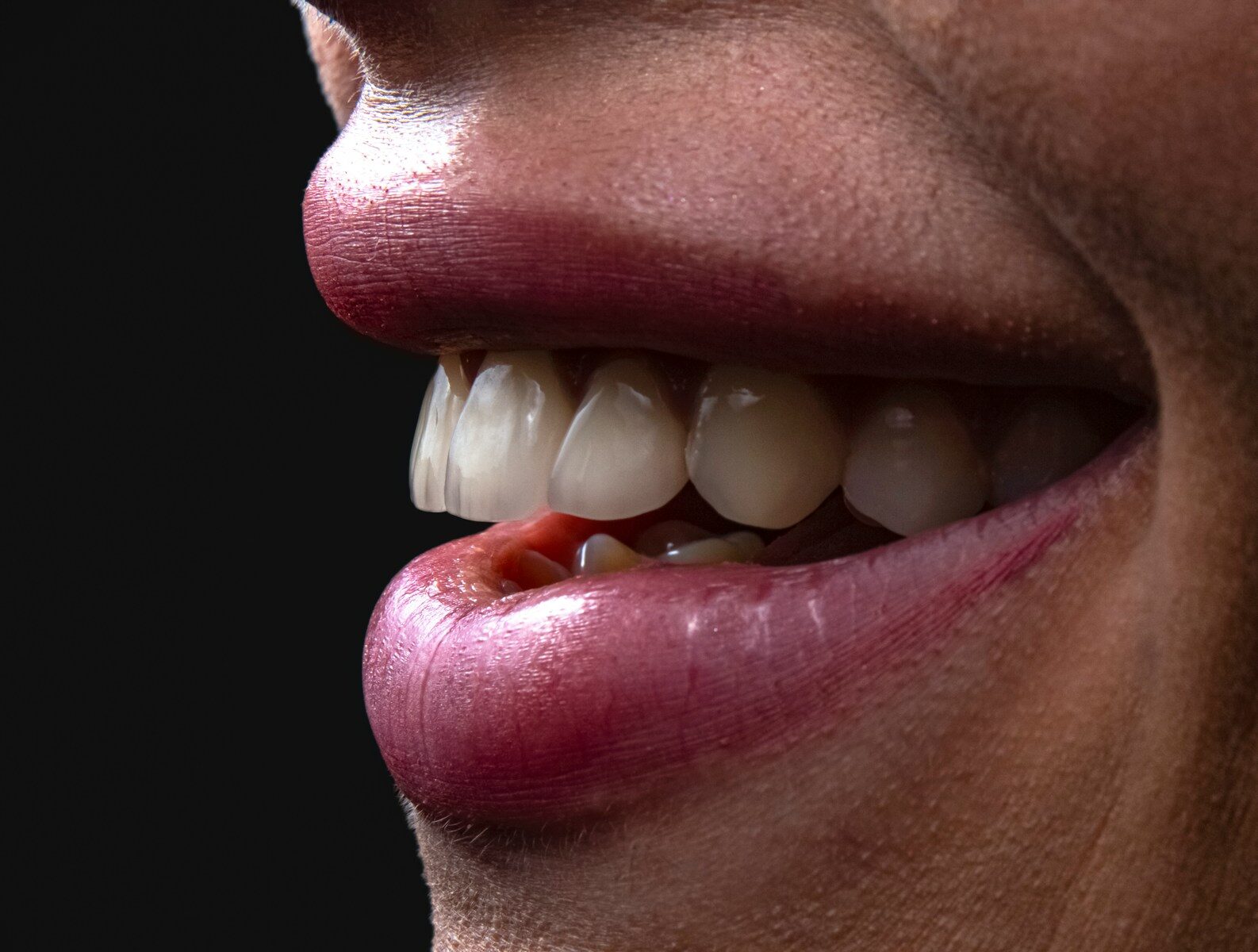
‘Symptoms such as an ulcer that doesn’t heal, a red or white patch, or a lump or swelling that persists should never be ignored.’
Image: Ozkan Guner/UnSplash
In related news:
94% of stroke patients miss out on recommended rehabilitation
Leave a Reply