















Frontline workers in homelessness services can experience significant psychological and emotional distress after the sudden death of a client, according to a new review from researchers at the University of Stirling.
The review, which was funded and commissioned by The Salvation Army, looked at how repeated exposure to premature and unexpected client deaths affects workers and whether there are effective interventions in place to support them.
When placed in such a situation, workers reported a range of effects, including grief, psychological distress, stress and burnout. Some questioned whether they had done enough to support a client before their death, while others reported feelings of guilt, self-blame and doubts about their professional competence.
The circumstances surrounding deaths could also have an impact. Workers described the experience of finding a body, attempting lifesaving treatment, contacting emergency services and dealing with the aftermath as particularly distressing.
The review also highlights the particular nature of grief experienced by homelessness workers. Researchers found that stigma associated with homelessness and substance use could make it harder for workers to openly acknowledge or process their grief. Some workers were uncertain whether they would be welcome at then subsequent funeral, while others felt pressure to maintain a professional image rather than seek support.
At the same time, the relationships workers develop with clients can make professional boundaries difficult to maintain, making client deaths more difficult to process.
Jessica Greenhalgh, Research Assistant at the University of Stirling and lead author of the review, said: ‘These workers are in a different position to emergency workers, as the people they support are usually known to them, from repeated interactions. It is imperative that structured, evidence-based support is provided to these staff, to avoid the risk of stress, burnout and staff leaving their jobs – especially at a time when homelessness is such a mounting public and political concern.’
The review found a significant gap in formal support, with workers having to rely on organisational support, colleagues and personal coping strategies.
The researchers say organisations should accept that exposure to client death is an occupational reality for frontline homelessness staff and develop structured support. They also call for further research to identify and evaluate interventions that could help workers process loss and reduce the risk of burnout.
Lee Ball, The Salvation Army’s Director of Addictions, said: ‘This report is hard to read, but it is right that these experiences are spoken about. It shines a light on something many frontline workers know only too well. When you spend months or years alongside people, supporting them through some of the most difficult periods of their lives, you don’t leave those relationships at the office door.
‘When someone dies, it hurts. That’s the simple truth. What this review does so well is give voice to the grief, stress and emotional weight that can come with frontline work. These are difficult conversations, but they are honest ones, and they matter.
‘We’ve always believed that harm reduction is as much about looking after our workforce as it is about looking after the people we support. It’s encouraging to see many of the ideas in this review reflected in the way we already think and work, but we should never stop asking how we can do better.
‘Our staff are our most valuable asset. If we want compassionate, relationship-based support for people experiencing homelessness, poor mental health, substance use and sometimes trauma, we must be just as committed to caring for the people who provide it.’
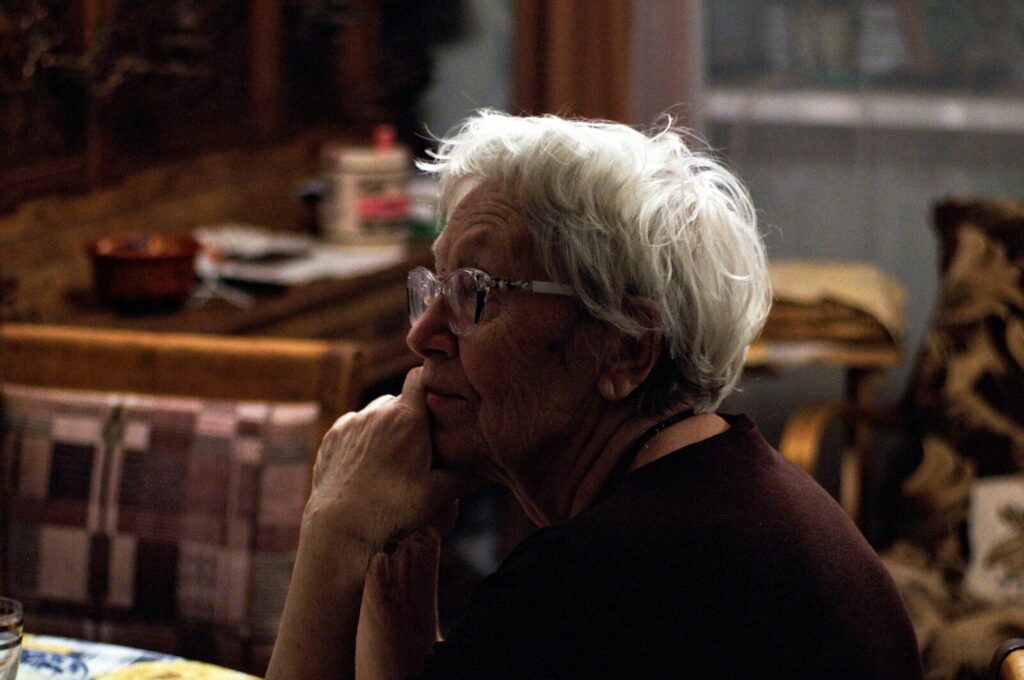
Photo: LARAM
Leave a Reply