

















Ten year ago, the Brexit referendum triggered a seismic shift in where the UK recruits its doctors and nurses but the changes were not enough to prevent worsening physician vacancies in the NHS, according to a new study published in JAMA Health Forum.
Researchers analysed migration data from more than 418,000 physicians and 358,000 nurses who moved to high-income OECD countries between 2008 and 2019. They found that the referendum led to an immediate and sharp decline in healthcare workers arriving from EU countries, a drop of approximately 825 doctors and 2,771 nurses in 2016 alone.
In the years that followed, the UK pivoted to non-EU countries, with annual increases of around 3,110 physicians and 1,437 nurses from regions including Africa and Asia. However, those gains were offset by the scale of the crisis. Despite the recruitment surge, NHS physician vacancies in England grew by an estimated 383 positions, and overall nurse immigration actually fell.
The study also revealed that EU migration began declining well before the UK formally left the bloc in 2020, suggesting that political uncertainty alone was enough to disrupt staffing flows.
Between 2015 and 2019, the countries with the biggest percentage rise in the number of doctors moving to the UK were:
- Egypt: Annual arrivals increased from 191 to 1,314 (+588%)
- Malta: Annual arrivals increased from 38 to 236 (+521%)
- Sudan: Annual arrivals increased from 82 to 487 (+494%)
- Nigeria: Annual arrivals increased from 233 to 1,347 (+478%)
By contrast, the largest falls came from European countries.
- Austria: Numbers dropped from 33 to 16 (- 52%)
- Italy: Numbers dropped from 328 to 215 (-34%)
- Latvia: Numbers dropped from 24 to 16 (-33% )
- France: Numbers dropped from 48 to 35 (-27%)
The study found similar patterns in migration among nurses.
Lead author Tarun Ramesh, a research fellow at the Harvard Pilgrim Health Care Institute, said: ‘The Brexit referendum changed where the United Kingdom recruited its health care workforce, with fewer clinicians arriving from Europe and more from countries in Africa and Asia. Our findings show that these shifts were not enough to prevent growing physician shortages within the National Health Service.’
Senior author Hao Yu, an associate professor of population medicine at Harvard Medical School, added: ‘Health care workforce migration is highly sensitive to policy signals. Even before the UK formally left the European Union, uncertainty surrounding future immigration rules was associated with substantial changes in the flow of doctors and nurses into the country.’
The researchers also point out that there are ethical implication in relying too heavily on recruitment from countries that may themselves face serious workforce shortages, potentially draining vital skills from already stretched health systems elsewhere.
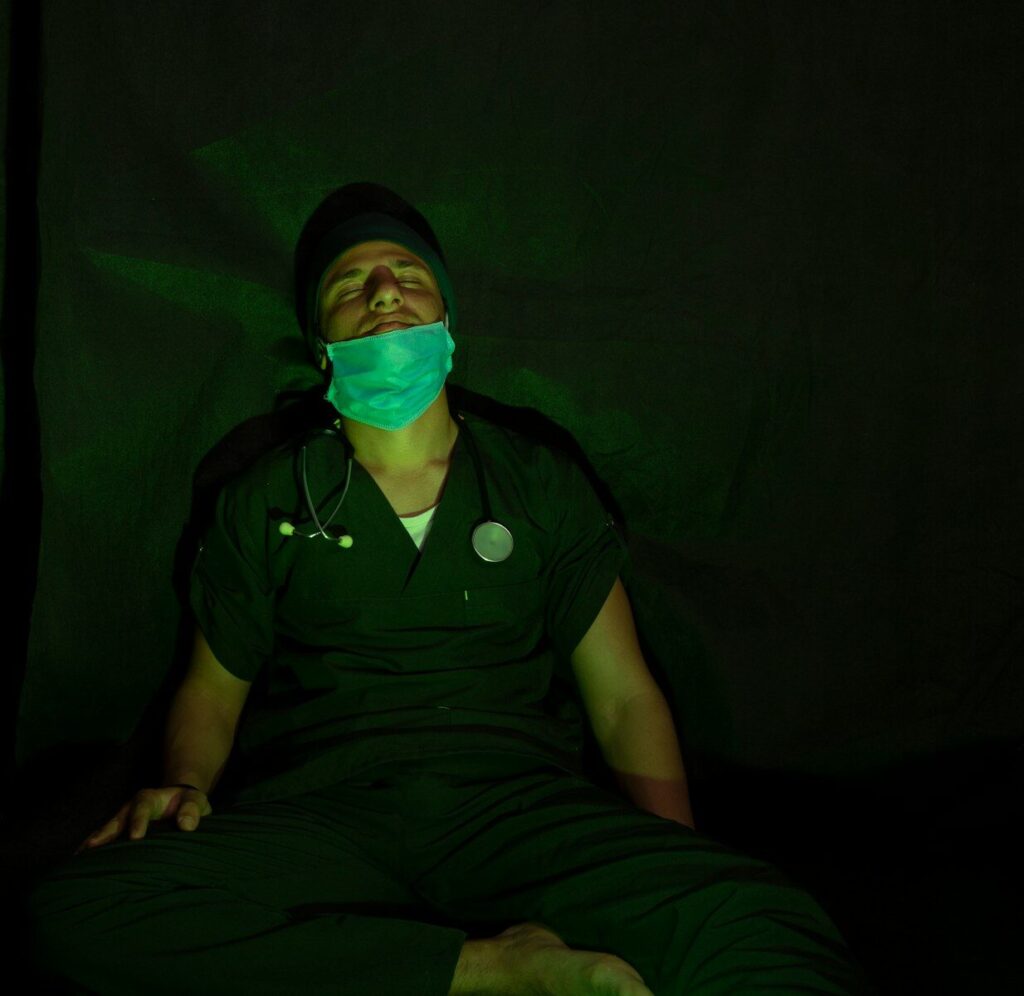
Photo: stux
Leave a Reply