


















With Baroness Casey set to take the stage at the Local Government Association’s Annual Conference, councils are making their case for a bigger role in social care change.
The Local Government Association (LGA) has submitted a new report to Baroness Casey’s independent commission on adult social care, which calls for councils to remain at the heart of plans to reform the broken system.
Published today (7 July), the report comes as the LGA’s Annual Conference kicks off in Bournemouth with Baroness Casey due to deliver a keynote address.
In the report, the LGA argues that councils should continue to lead services in their communities, while the government provides long-term funding and sets national priorities.
It says reform should focus more on preventing people from reaching crisis point, helping them stay independent for longer and ensuring they can continue living in communities they know.
Cllr Louise Gittins, chair of the LGA, said: ‘Adult social care is vital national infrastructure that touches all of our lives – it must be built around people, not services.
‘Structural reform alone will not deliver better outcomes without greater public understanding of adult social care’s value, the way we talk about it, and changes to commissioning, market shaping and workforce policy.’
‘Success will require a new partnership between national government, local government and citizens,’ she continued. ‘It will ultimately be judged by whether people are better able to remain connected to the people, places and passions that matter most in their lives.’
The LGA warns demand for adult social care is putting increasing pressure on council finances. The report shows one in five councils responsible for the service are expected to need Exceptional Financial Support from the government in 2026/27.
In response, the cross-party organisation is calling for a long-term funding settlement for adult social care. It also recommends a national fund to aid prevention, more support for unpaid carers and a review of the role of council tax in funding the service.
‘Local government and its convening powers are essential to making adult social care reform work and stick,’ Cllr Gittins added.
‘We look forward to working closely with government and the Casey Commission exploring all options for system reform and helping to co-design and lead this change.’
Charlotte Lillford-Wildman, head of policy and public affairs at Dementia UK, welcomed the focus on reform but said changes must address the needs of people that rely on care services.
‘We agree that prevention and research matter, but they cannot be the whole answer. People with dementia need a system that takes responsibility for them now, whatever stage of the condition they are at,’ she said.
‘We welcome Baroness Casey’s commitment to a national conversation on social care reform. People living with dementia and their families must be at the heart of that conversation. The test must be whether they feel less alone, less lost and better supported to live well with dementia.’
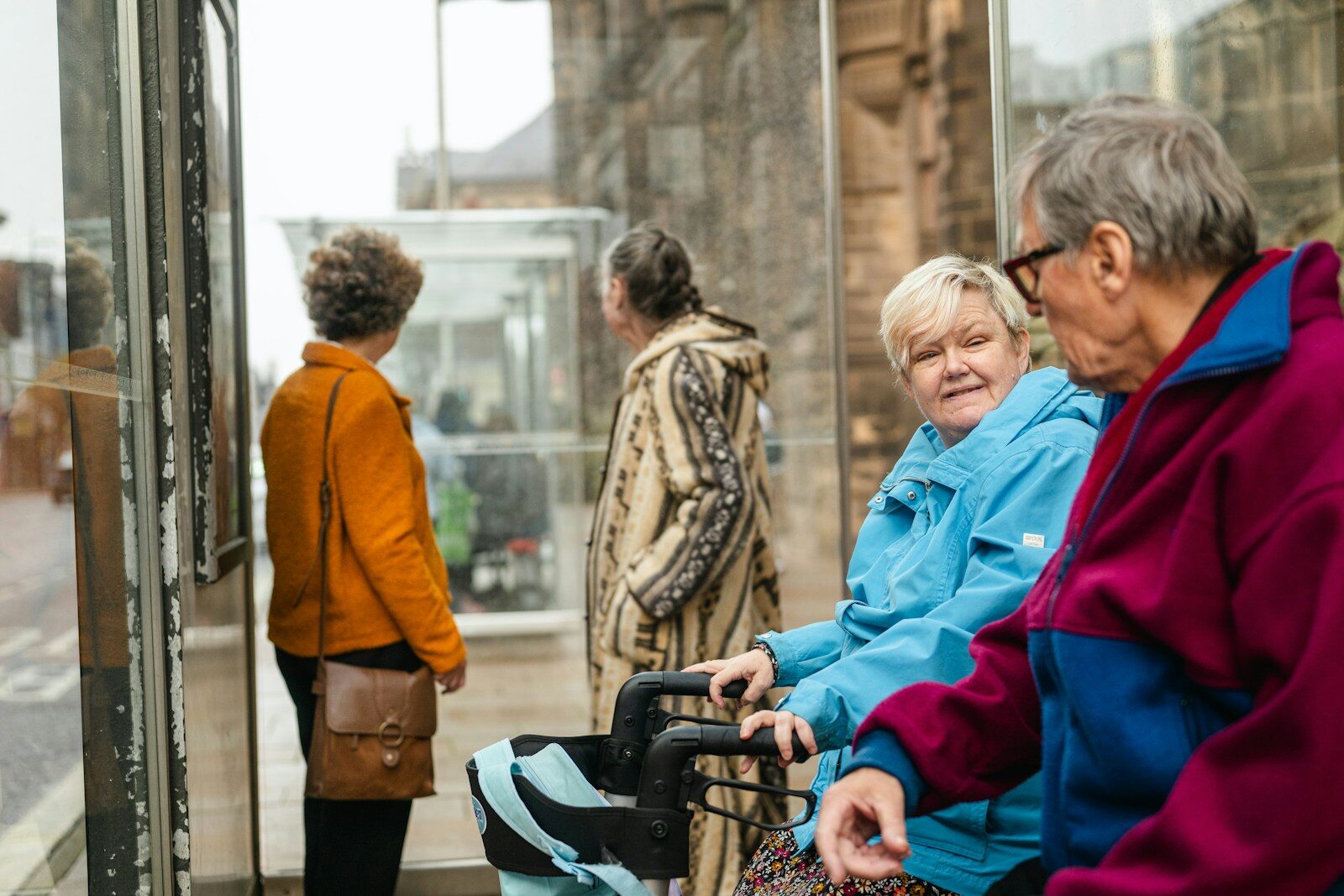
Image: Centre for Ageing Better/UnSplash
In related news:
Leave a Reply