

















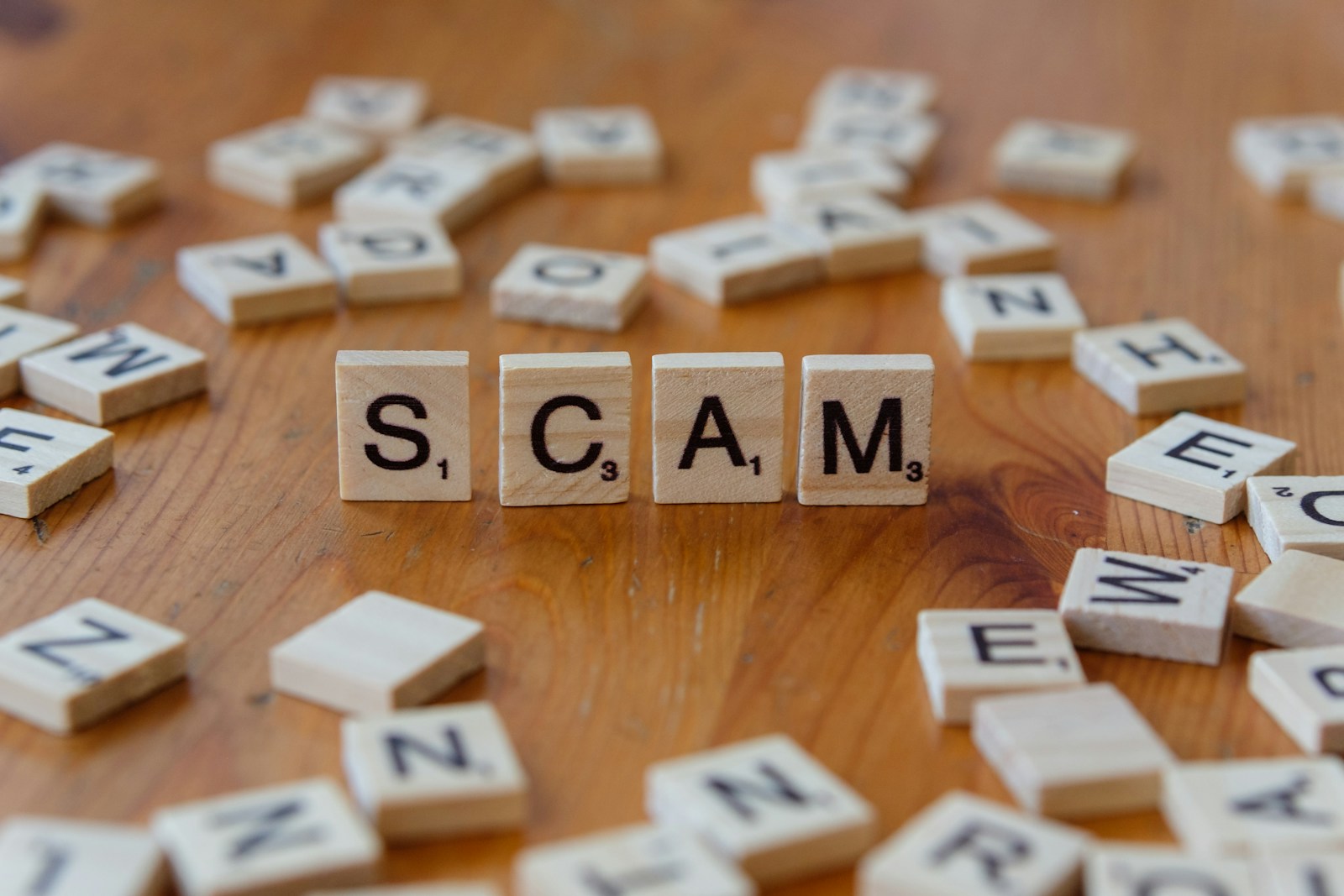
More than 25,000 scams referred to HMRC in the last year, with criminals using the annual repayment process as a hook for the unwary.
The government has warned pensioners to beware of texts, emails and phone calls relating to paying back Winter Fuel Payments – as they could be scams.
Winter Fuel Payments (known in Scotland as Pension Age Winter Heating Payments) of £200 are made each year to pensioners across the UK. To be eligible, a pensioner’s total personal income must not exceed £35,000 per year.
However, the amount people earn can fluctuate, so it’s not always easy to know at the start of winter, when the cold sets in, what your total earnings will be by the end of the tax year, six months later.
The government therefore pays the money anyway. If a person’s income then turns out to be more than £35,000, they pay back what they received. This year, just less than 2m people are expected to pay back Winter Fuel Payments.
For most people, this is an automatic process. For example, over the 2026-27 tax year, employees on PAYE will simply have £17 per month deducted from their salary.
Unfortunately, scammers also seem to be targeting pensioners, with texts, emails and phone calls that seem to be related to paying back Winter Fuel Payments so that they hand over bank and/or bank details. Last year, 25,000 such scams were referred to HMRC, which handles the recovery of payments in England, Northern Ireland, Scotland and Wales.
HMRC says it will never contact people by text or email to ask them to repay Winter Fuel Payments or to request bank details.
For information on staying safe online, see the Stop! Think Fraud pages on GOV.UK.
You can report a suspicious text claiming to be from HMRC by forwarding it to 60599. To report a suspicious email, forward it to phishing@hmrc.gov.uk. To report a scam phone call, visit GOV.UK. Where you have had money stolen, contact your bank immediately and report it to Action Fraud. In Scotland, contact police on 101.
Myrtle Lloyd, Chief Customer Officer at HMRC, says: ‘Criminals are great pretenders and often use fake letters, emails, calls and texts to impersonate HMRC and trick people into giving them money. I’d encourage anyone who’s unsure to use our online tool at GOV.UK to check whether and how their payment will be recovered – there’s no need to call us.’
In related news:
School dinners on the chopping block in government food overhaul
Leave a Reply