













Study reveals thousands are trapped in a ‘vicious psychological cycle’, with many reporting experiences of anxiety, depression and feelings of abandonment.
New research, conducted by researchers at the Universities of Bath and Liverpool and published in the online journal Health Expectations, found an estimated 1.8 million clinically vulnerable people still live in near-isolation more than six years after the start of the pandemic.
The study looked at the experiences of 457 people with weakened immune systems, who are still shielding and found high levels of anxiety, depression and feelings of abandonment.
Anna Gray, lead researcher and trainee clinical psychologist at the University of Bath said: ‘The psychological impact of extended social isolation is profound.
‘For many, this has been compounded by restricted access to medicines, healthcare and a sense of being forgotten and left behind by wider society. These experiences have not ended with the pandemic – they are ongoing.’
According to the research, which can be found in full here, many participants are trapped in a ‘vicious psychological cycle’. Fear of catching Covid leads people to avoid social situations, but long-term isolation then makes it harder to regain confidence and reconnect with the outside world.
Individuals also reported frustration over inconsistent public health messaging and a lack of clear guidance.
Dr Luca Bernardi, co-author and political scientist at the University of Liverpool, said: ‘People’s experience of restriction has not ended. Trust in government and feelings of representation among immunocompromised people are hard to recover.’
For some families, day-to-day life remains heavily restricted despite most public health measures being lifted years ago.
Gayle, 57, who takes immunosuppressant medication following a kidney transplant, has continued shielding with her husband Les since 2020.
Les said: ‘Gayle and I used to go to live concerts, the theatre and busy pubs, but now we have to avoid them because of the risk to Gayle. Our lives are drastically reduced.’
The couple still ask visitors to take Covid tests before entering their home, but Les said some friends and relatives refuse.
‘They are done with Covid and never want to think about it again.’ he explained, ‘That isn’t an option for us.’
Dr Jo Daniels, senior author of the study and researcher at the University of Bath said: ‘At the start of the pandemic, few of us expected that there would still be a physically and psychologically vulnerable group largely confined indoors more than six years later.
‘But there is, and we must do better to address their needs now, and in future pandemic responses.’
Nikola Brigden from patient advocacy group Forgotten Lives UK added: ‘These are not lifestyle choices, they are the consequence of people being left to manage ongoing risk in the absence of clear policy, consistent protections and timely access to preventative treatments.’
Going forward, researchers are planning to present their findings to Parliament’s All Party Parliamentary Group for Vulnerable Groups to Pandemics.
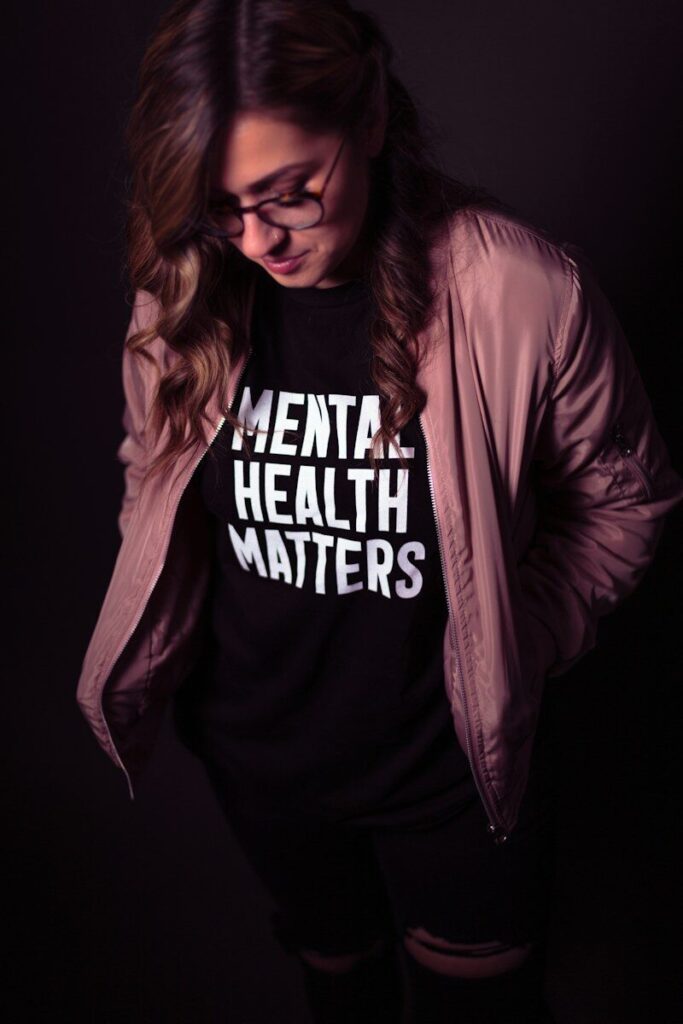
Image: Tai’s Captures/UnSplash
In related news:
Leave a Reply