









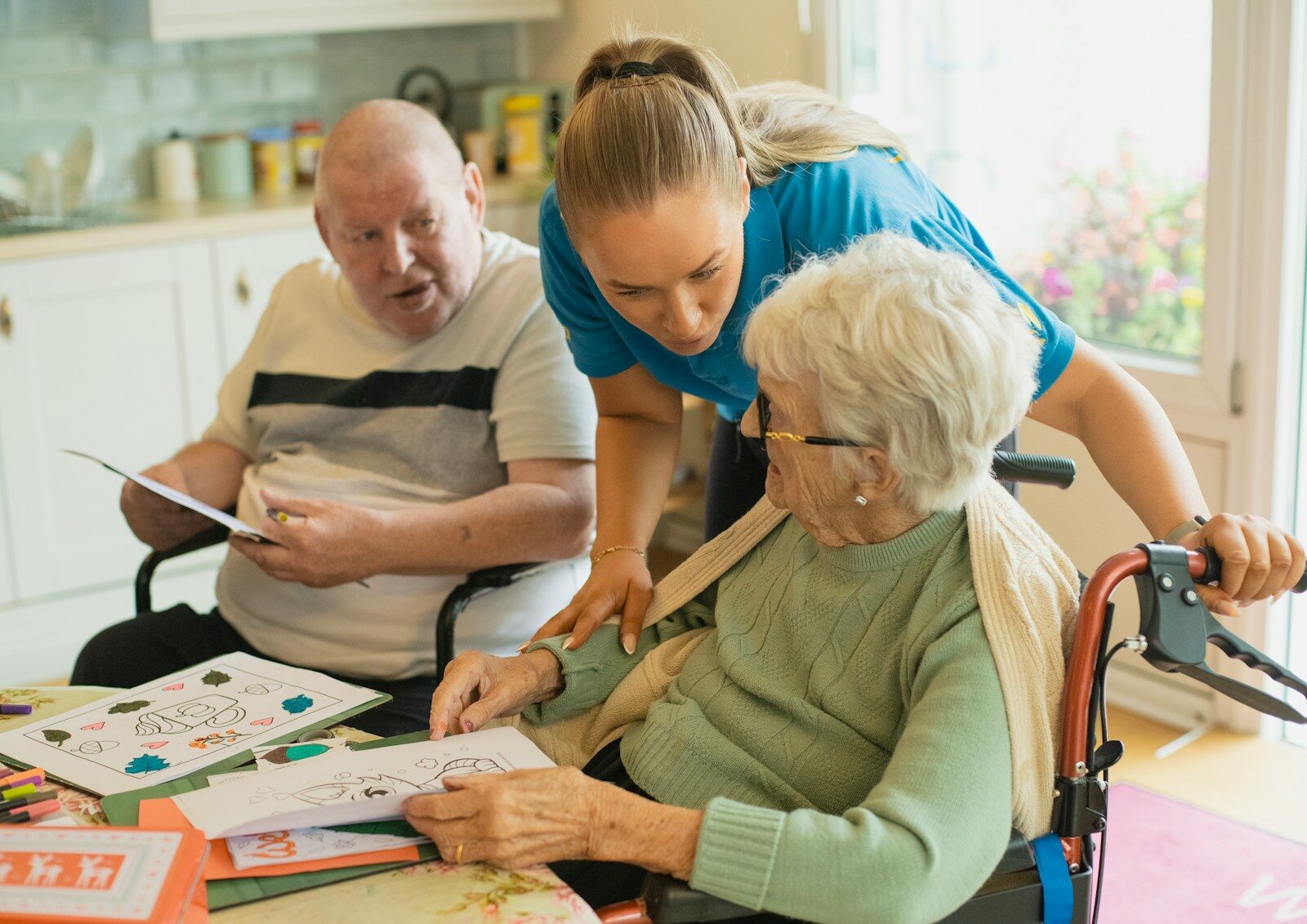
People receiving care at home could see fewer carers under plans to reorganise services around local neighbourhoods.
From next spring, councils will be encouraged to use one or two main care providers in smaller areas, rather than commissioning individual visits from several companies.
The Department of Health and Social Care said they’re looking to make at home care more consistent and cut the amount of time carers spend on the road down.
Announcing the plans on Thursday (12 November), Minister of State for Social Care Alison McGovern said: ‘Under our plans, social care will work in lockstep with our NHS, better care at home means fewer unnecessary trips to hospital.
‘We will work with councils and our NHS to deliver more care in our community, care that is proactive, planned and preventative, as we continue to lay the foundations for our National Care Service.’
According to Care Quality Commission (CQC) data, some people receiving care at home see around 10 different carers giving them support.
However, research in Bristol – covering care rounds across six providers – found arranging visits into geographical areas could deliver the same care using 35% less staff time and 65% less driving.
Dr Jane Townson, chief executive of the Homecare Association, welcomed the news but warned: ‘To succeed, it must come with fees that cover the cost of care, predictable work and payment for whole rounds rather than contact minutes.
‘People must also keep a real choice over who supports them.’
‘Done well, neighbourhood commissioning can mean familiar care workers who know the people they support, less time on the road and more secure jobs,’ she added.
Phile Holmes, president of the Association of Directors of Adult Social Services, said most councils were already working towards more consistent care.
‘Most councils are already moving towards models that give people more consistency, while placing a strong emphasis on the quality of care and regularly reviewing arrangements to make sure they are working,’ he said. ‘The starting point must always be people’s experiences and the outcomes that matter most to them.’
Image: Age Cymru/UnSplash
In related news:
Baroness Casey: ‘no one is in charge’ of England’s social care
Leave a Reply