

















A culture of silence, fear of retaliation and reluctance to speak out against medical authority can allow practitioners to harm patients for years.
In their book Doctors and Their Crimes: Hiding Behind the White Coat, general practitioners Baroness Clare Gerada and Zaid Al-Najjar examine international cases involving medical malpractice, fraud, manslaughter, sexual misconduct and murder.
Institutional failures, they explain, can allow criminal practitioners to evade detection, sometimes for decades.
They said: ‘Fear is the weapon so effectively wielded by those discussed in this book, and it is a culture of fear in healthcare that we must work to dismantle. Understanding the nature of these criminal acts helps us better support victims and improve systems for detecting and reporting misconduct.’
Between 1970 and 2006, 90 healthcare workers across 20 countries were prosecuted as serial killers, with links to 2,113 suspicious deaths, according to figures cited in the book.
The cases reveal recurring warning signs, including complaints, unusual behaviour and poor clinical outcomes that were allegedly overlooked or minimised. Some doctors were able to move between hospitals and regions, leaving behind positive references from employers who wanted them to leave.
The authors note fewer than 0.5% of UK doctors have criminal convictions, compared with roughly 16% of the general population. Yet when medical professionals commit crimes, the consequences can be particularly devastating because of their access to vulnerable people and the trust patients put in them.
Gerada explains: ‘Hierarchical and paternalistic systems mean that challenging a senior colleague might be seen as career suicide. Silence, driven by fear, loyalty, or learned helplessness, can sustain harm over many years.’
The book revisits notorious cases including Harold Shipman, who murdered an estimated 215 patients and American doctor Michael Swango, who poisoned patients and colleagues across multiple hospitals. Both exposed weaknesses in oversight and reluctance to challenge medical authority.
Research shows just two-thirds of doctors who knew directly of an impaired or incompetent colleague reported their concerns, while nearly 12% cited fear of retaliation or a belief that nothing would happen.
There have, however, been some improvements. In the wake of the Shipman case, the UK strengthened systems for monitoring controlled drugs and investigating deaths.
Electronic records can help identify unusual prescribing patterns, while whistleblowing policies and Freedom to Speak Up Guardians in England give healthcare staff additional routes to raise concerns.
On the other hand, new risks are emerging. The growth of telemedicine has created opportunities for inappropriate prescribing or exploitation, while international healthcare systems can make it easier for rogue practitioners to move between jurisdictions.
Both authors have called on healthcare organisations to take accountability and show more willingness to listen to patients and staff.
‘Preventing such cases is not solely about perfecting control measures, as criminal masterminds will almost always find ways to bypass them,’ they suggest.
This article was first published on our sister title Healthcare Management.
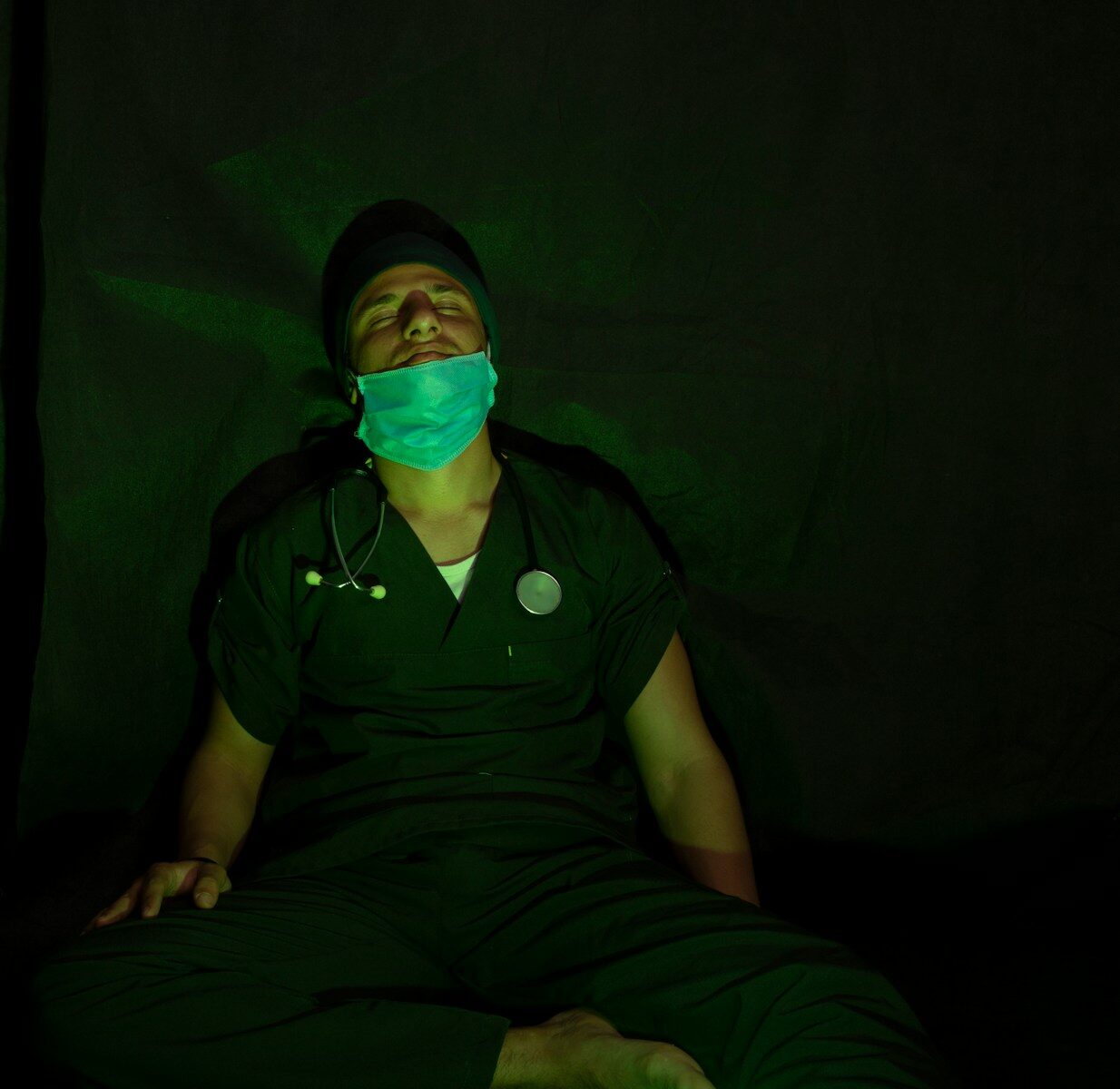
Image: ali studio/UnSplash
In related news:
One in eight children feel unsafe in their hometown, says Children’s Commissioner
160 children waiting for adoptive families in West Yorkshire
Leave a Reply