















Over half a million adults in England say they would definitely apply to become foster carers, according to new research.
But turning that interest into approved carers will be crucial if the government is to meet its target of creating 10,000 additional foster care places during this parliament, the Coram Institute for Children said.
A YouGov survey of 3,497 adults found 1.1% said they would definitely apply to foster at some point in the future. Including those who said they were very or fairly likely to apply, the estimated number rose to 3.4 million.
The findings, published on Wednesday, come as the government launches the first national campaign to recruit more foster carers. The number of fostering households has fallen year on year since 2021, while more than one in three foster carers are now aged 60 or over.
Around 56,400 children in England live in foster care, out of 81,770 looked-after children.
The research found interest in fostering was higher among parents of children under 18, people from minoritised ethnic backgrounds, renters and those on lower incomes.
Dame Carol Homden, chief executive of Coram, said: ‘We are hugely encouraged by today’s findings, which indicate a substantial pool of people who are open to becoming foster carers.
‘The challenge now is how we build on this impetus, as the number of children and young people in care continues to grow, and we welcome the government’s ambitious plans to recruit more foster carers,’ Homden continued. ‘As part of this, as our findings show, we need to see a focus on targeting key areas and groups, availability of clear information, and practical support, to boost both recruitment and retention of foster carers.’
On the subject of targeting specific groups, the government’s campaign is set to target adults in their 30s and 40s, encouraging them to ‘open their hearts and homes to some of the most vulnerable children in society’.
The scheme will run alongside trials of new foster care models, including short-term ‘respite fostering’ or fostering at weekends, which ministers hope will make it accessible to more people.
Children’s Minister Josh MacAlister said he wants the public to respond to the campaign in the same way people did for the Homes of Ukraine movement.
‘There was this massive national moment where we understood that something was happening and people asked themselves, could we help? We need that kind of moment, to prompt people to have conversations in their homes,’ he said.
‘Lots of families won’t be able to do it, but we’re trying to open up fostering to a wider group of people, by making it intergenerational or part-time for instance.’
‘Unless we rapidly, dramatically expand the foster care system, we will end up with children waking up every single day in residential care who could be in a family home, and children who are sent to live miles away from where they’ve grown up,’ MacAlister continued.
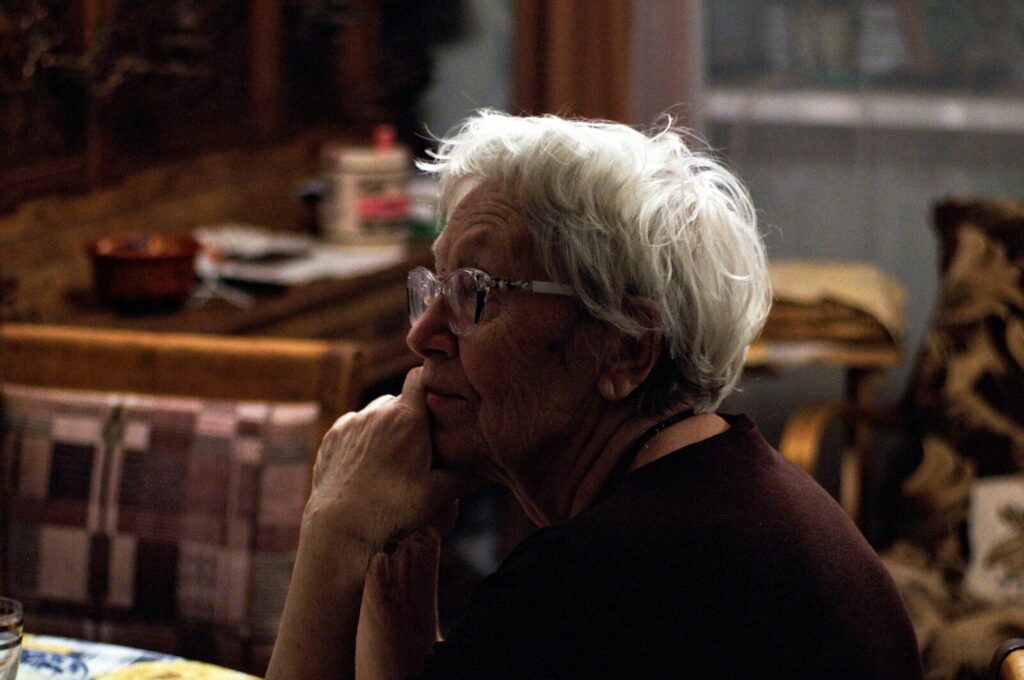
Image: Francis Painchaud/UnSplash
In related news:
NHS App to alert patients when prescriptions are ready to collect
Leave a Reply