

















Scientists publish study laying out what made the meningitis B outbreak earlier this year so dangerous.
It was the UK’s worst outbreak of meningitis B ever. In March this year, more than 20 young people were infected with meningitis B in Kent, in an outbreak linked to a Canterbury nightclub over one weekend. All those infected – many of them university students – required treatment in hospital, nine of them in intensive care. Sadly, two of those infected died.
Now scientists better understand what made this particular outbreak so bad. A team from the UK Health Security Agency and the University of Oxford studied the DNA of the bacterium from this particular outbreak and found it had acquired genetic material from other bacteria that naturally occur in some people’s throats. The result was a new variant of MenB that spread fast and did more damage.
Read the full paper, “Emergence of short-lived meningococci causing focal epidemics can be associated with gene transfer from carriage-associated Neisseria”
Of course, better understanding the outbreak means we can better tackle it. Over the summer, students were urged to get jabs ahead of the new academic year. This was a one-off initiative aimed to vaccinate some 1m young people, but there have also been calls to routinely vaccinate young people around the age of 15 to help protect them from MenB.
Dr Charlene Rodrigues, Consultant in Pathogen Genomics at UKHSA, told the BBC that the nature of the new variant may also explain why the outbreak was so short-lived: people became so ill so quickly that they couldn’t be ‘silent’ carriers, who pass on the disease unknowingly.
Meningococcal B, the bacteria that cause the disease, can be spread through close contact with an infected person, such as through kissing, sharing drinks or vapes, or prolonged close contact like living in the same home. Students in their first year at university have about a seven times greater risk of contracting the disease than young people of a similar age.
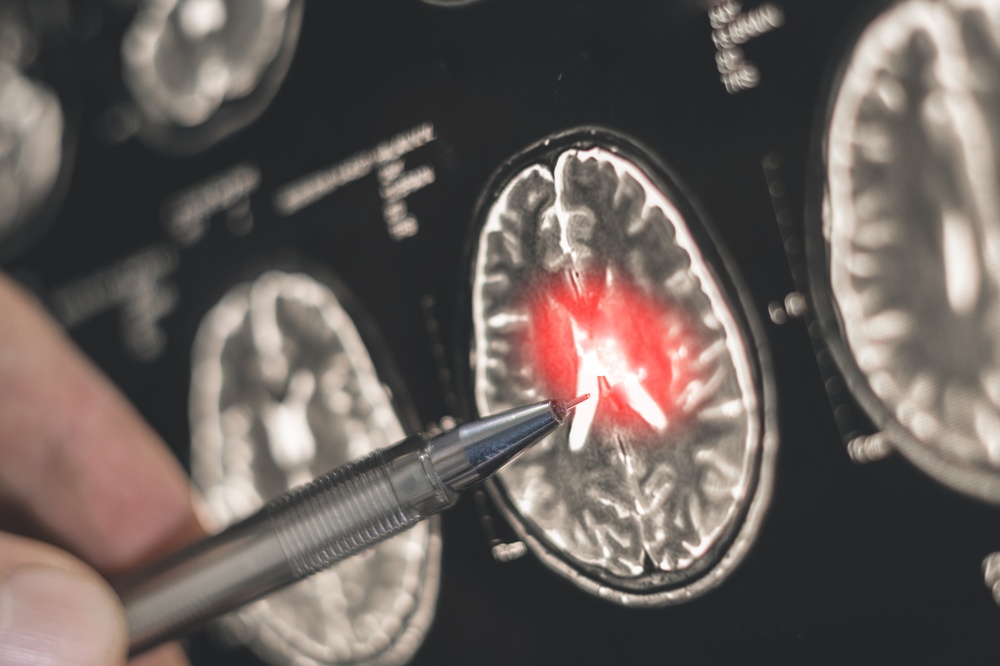
MenB can cause serious problems such as inflammation of the lining of the brain and sepsis / blood poisoning. This can lead to life-changing disabilities including amputations, hearing loss and brain damage. In some cases, it can prove fatal.
The NHS lists symptoms of meningitis including high temperature (fever), very cold hands and feet, a stuff neck, joint and muscle pain, a severe headache, eye pain when looking at bright light, and spots or a rash that does not fade when pressed with a glass (which can be harder to spot on brown or black skin). If you think you or your child might have meningitis, call 999 or go to A&E immediately.
Dr Rodrigues told the BBC: ‘This investigation shows just how quickly and dramatically these bacteria can change. The fact this outbreak variant was able to spread to so many young people was due to the social environment, a place where lots of close social mixing takes place.’
Photo by Vitaly Gariev / Unsplash
In related news:
Leave a Reply