














Children in care or on child protection plans are more likely to have serious mental health problems, but most do not receive specialist support.
A University of Cambridge study found between 9% and 18% of children in these groups had contact with mental health services between 2020-21. Researchers said this was despite children in care and those under protection being two to three times more likely to use services than other kids.
The study, published in the journal Child and Adolescent Mental Health, comes as demand for support among young people continues to rise.
Researchers analysed NHS data from 2020-21, when almost two million children in England were referred to, or received support from, specialist services.
Anxiety was the most common reason for referral, followed by being in crisis, depression, neurodevelopmental conditions and self harm. However, the reason wasn’t noted in 67% of cases.
There are almost 50,000 children on child protection plans and 84,000 in care.
Many will have experienced abuse or neglect and previous research suggests up to half may develop mental health problems at a clinically significant level.
The researchers said some children involved with social services were being rejected by child and adolescent mental health services (CAMHS).
One case involved a 12-year-old girl in residential care who was referred to CAMHS after attempting to take her own life, but wasn’t offered support because her needs were considered too complex.
In another, a 12-year-old boy was taken to A&E following a suspected overdose and after running away from a foster placement. His referral was rejected because his problems were judged to related to his social situation.
Professor Robbie Duschinksy, head of the child health and development group at the University of Cambridge, said: ‘Through our work, we’ve encountered countless cases of children and young people with mental health difficulties not being offered treatment because their living situation is judged too complex or a matter for child social services.’
The study also found contact with mental health services appeared to plateau or decline at the aged of 17 and 18, even though late adolescence is a period of increased risk for mental illness.
Dr Barry Coughlan from the Department of Public Health and Primary Care, said: ‘We’re seeing a steady increase in demand for mental health services in England, but many children and young people – and in particular, some of those who are most at risk – are not getting the referrals or the support they need.’
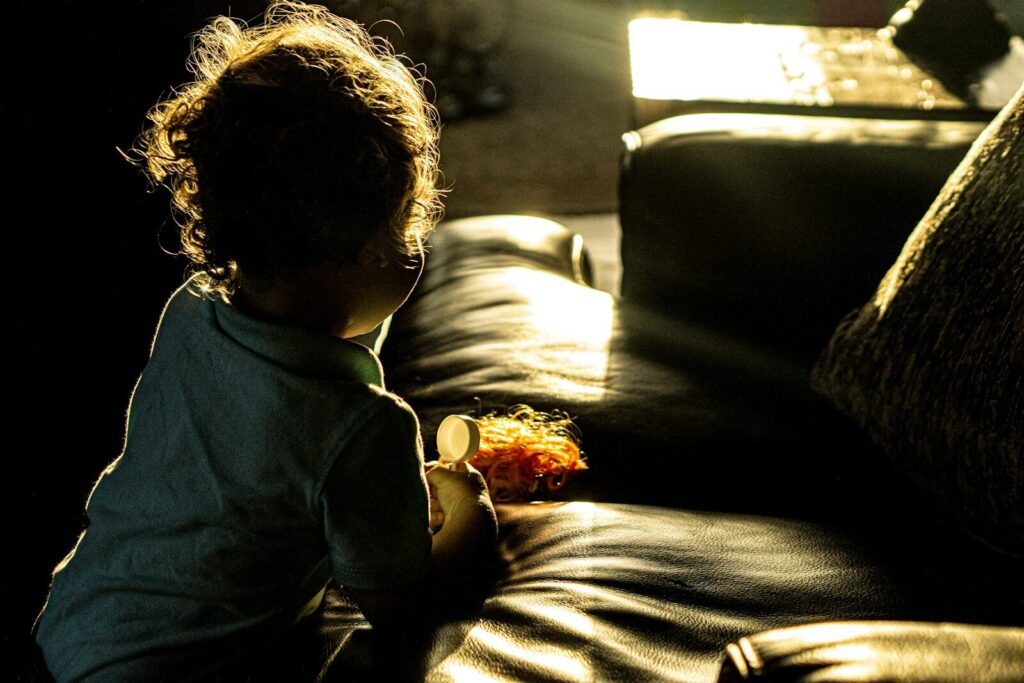
Image: Thomas Park/UnSplash
In related news:
Leave a Reply