



















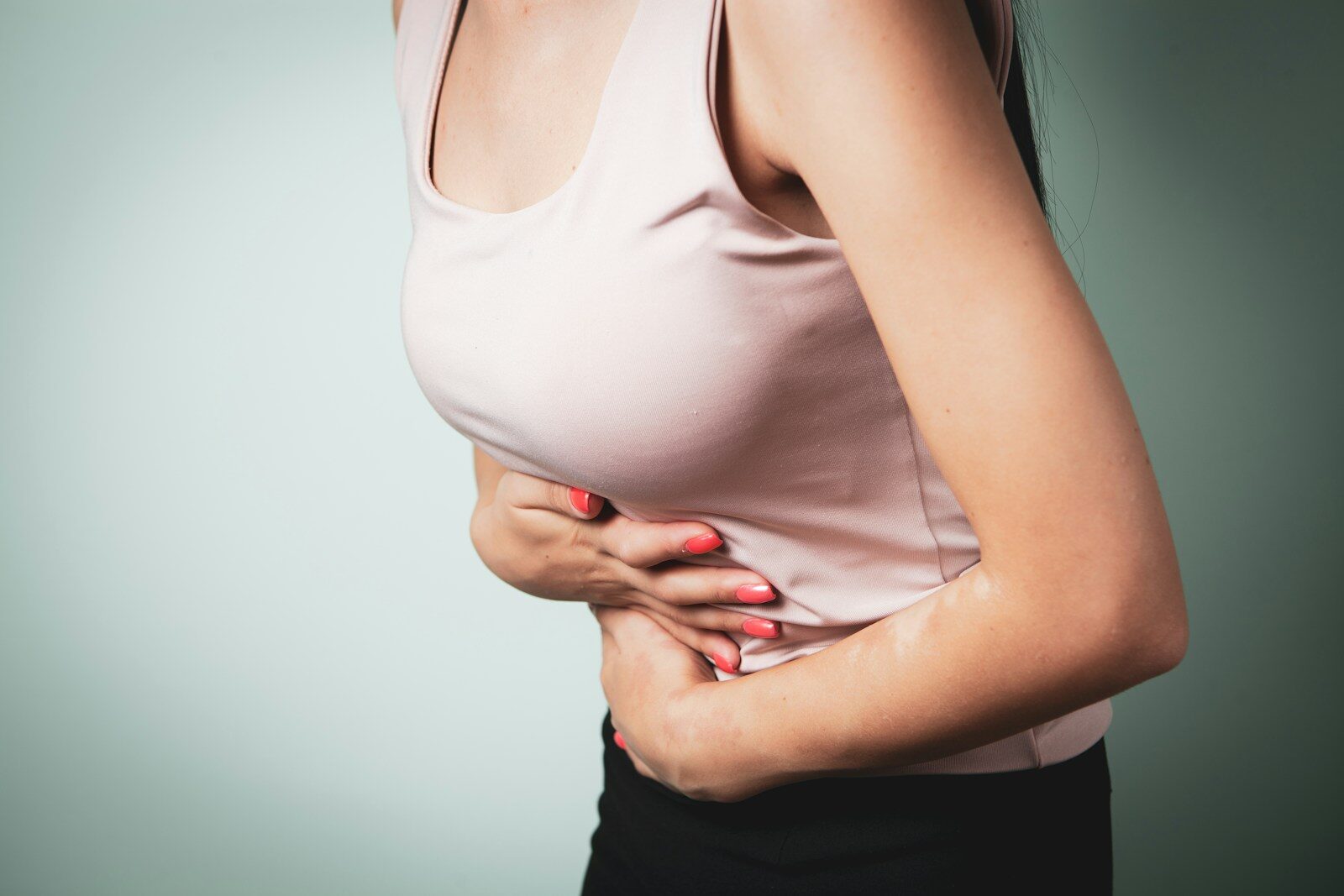
UKHSA reports 11.4% increase in cases of gastrointestinal illness caused by parasite – but can’t explain the cause.
The UK Health Security Agency (HSA) admits that it can’t explain the significant rise in laboratory-confirmed cases of Giardia – the gastrointestinal illness that causes diarrhoea, cramps, bloating and wind.
Newly published figures show an 11.4% rise in cases in England, with 6,069 in 2025 compared to 5,450 in 2024. Indeed, the new figure is the highest number of cases since 2016.
Treatment for Giardia included maintaining hydration (i.e. drinking lots of water), as well as antibiotics to tackle the parasite that causes the disease, Giardia intestinalis.
The disease is not usually life-threatening — though see the advice given below. In rare cases, children who do not receive treatment may experience significant weight loss, malnutrition and stunted growth. The issue is that we’re not sure why there are more cases than before.
The available data may hold some clues. By region, the greatest number of cases was reported in London (1,568) followed by the North West (1,029). There was also a spike in cases in the autumn: September (580), October (599) and November (574).
UKHSA suggests that different factors may all contribute, such as new and more effective testing, increased travel since the Covid pandemic and changes to the climate and environment. But more investigation is needed.
The illness is spread through direct contact with infected people or animals, as well as by swallowing contaminated food or water, and can also be sexually transmitted. Giardia can be acquired in the UK as well as abroad, though UKHSA advises international travellers to take basic precautions to prevent infection. These include drinking bottled water rather than from the tap, eating cooked food rather than raw items washed in tap water. There is further advice on food and water hygiene at the Travel Health Pro site.
Nicola Love, Senior Food Safety Surveillance Lead at UKHSA, says: ‘We are seeing a rise in giardiasis in the UK. Symptoms can last from weeks to several months and if left untreated, it can cause serious complications especially in young children, the elderly and those with weakened immune systems.
‘There are some simple precautions everyone can take to reduce their risk, whether you are planning an autumn getaway somewhere warm or staying in the UK.
‘Good hygiene can help prevent giardiasis and other common gastro illnesses. Wash your hands with soap and water after using the toilet, after changing nappies, and before preparing food. Encourage children to wash their hands regularly too. If you have a Giardia infection, continue to hydrate yourself and see your GP, do not go swimming until two weeks after your diarrhoea has stopped. Parents should contact their GP or NHS 111 if they or their children are ill with dehydration, or if diarrhoea worsens or lasts longer than three days.’
Photo: Sasun Bughdaryan / Unsplash
In related news:
‘You really are on your own’: Care leavers three times more likely to die young
Leave a Reply