











Newly launched Ebola Information Center provides clinical guidance, latest research and data for free, in bid to tackle growing public health emergency.
How does the scientific community respond to a growing medical crisis? We’re watching that right now with the epidemic of Ebola in the Democratic Republic of Congo and Uganda. One problem is limited resources and information available to those on the frontline in battling the disease.
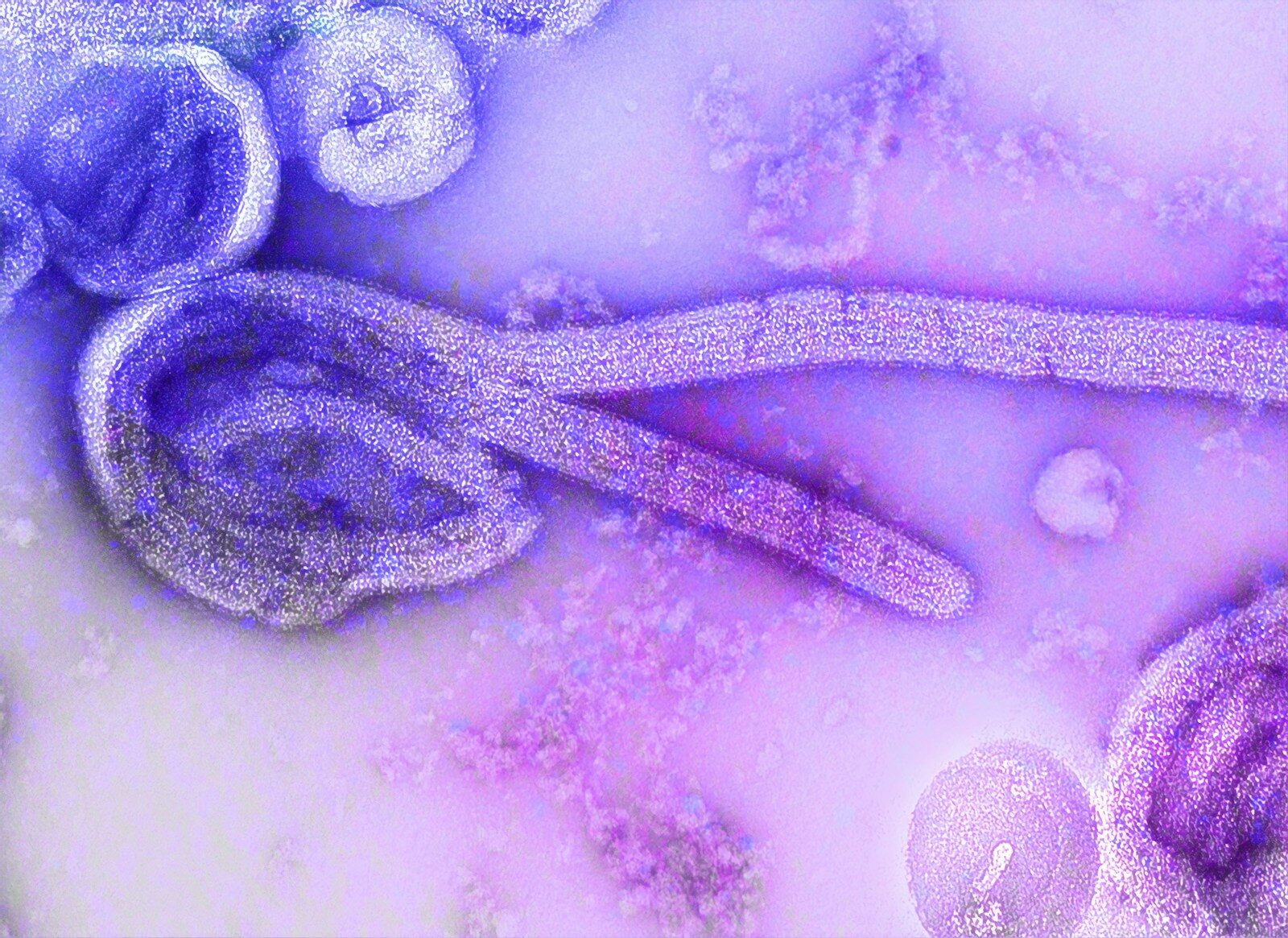
Photo by CDC / Unsplash
Last month, the World Health Organization declared the outbreak of Ebola a public health emergency of international concern (PHEIC). The director-general of the WHO said in a statement that this requires, ‘international coordination and cooperation to understand the extent of the outbreak, to coordinate surveillance, prevention and response efforts, to scale up and strengthen operations and ensure ability to implement control measures.’
That’s why Elsevier, the publisher of leading medical research journals such as the Lancet, has made a wealth of research and information freely available online. The Ebola Information Center is packed with free resources to help healthcare professionals respond to the current Bundibugyo virus variant Ebola outbreak, with evidence-based clinical overviews, patient education materials and drug monographs.
The site also provides a wealth of up-to-date research, with books and articles now freely available on ScienceDirect – the leading site for peer-reviewed information. Cell Press, Lancet and SSSN material on Ebola is also being made available, while researchers working on the outbreak response can also now access the research-grade AI tool LeapSpace to help them map existing evidence on Bundibugyo virus pathology, treatment approaches and outbreak response. It can also help to identify relevant collaborators and funding opportunities.
All the content on the Ebola Information Center is being made available on publicly funded repositories, with rights for unrestricted research, re-use and analyses in any form or by any means, so long as there is acknowledgement of the original source. These permissions will provided free of charge for as long as the Ebola Information Center remains active.
New research content and other information will be added as it becomes available.
This is the latest free-access initiative undertaken by Elsevier, following previous support for global health emergencies such as those involving SARS, MERS, Zika, Coronavirus and Mpox.
Esra Erkal, Executive Vice President of Global Communications at Elsevier, says: ‘The Ebola Information Center represents our commitment to supporting the global health emergency response by making critical scientific knowledge and clinical resources immediately and freely accessible to those on the frontlines of this outbreak. We will continuously expand the resources available as new evidence emerges.’
In related news:
‘He’s coming home’: For some, the World Cup brings fear not celebration
Interview: Hilary Stephenson on human-centred design for apps and websites
Leave a Reply