














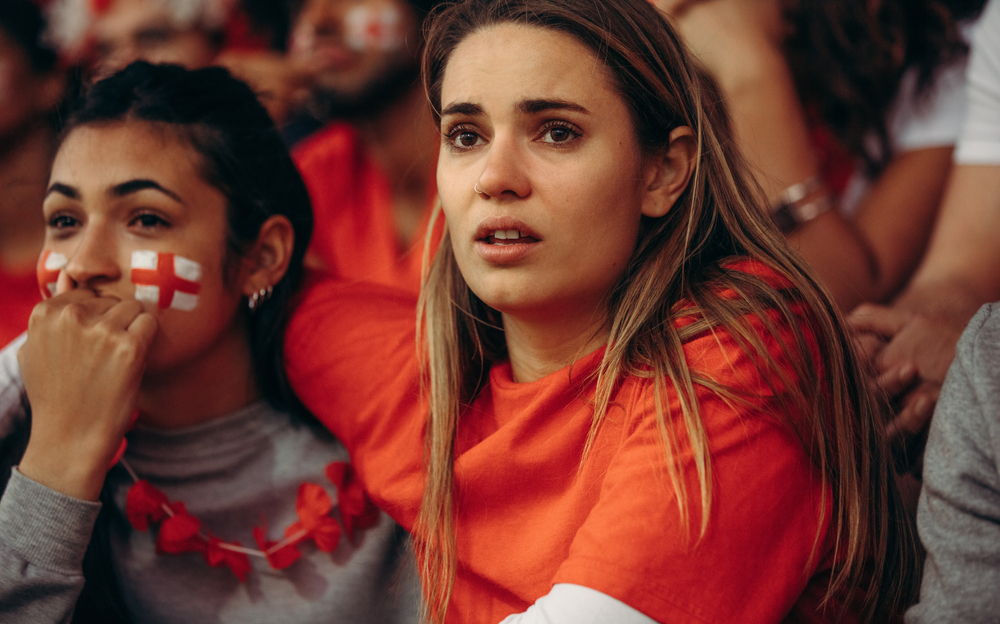
In a stark reality check, data shows domestic abuse reports surge after England World Cup games, prompting demand for better victim support.
Tonight, England begin their 2026 World Cup campaign. Across the country, pints will be poured and sofas will fill as millions of fans settle in to watch. Yet behind some front doors, excitement gives way to fear of what comes after the final whistle.
Sadly, studies show domestic abuse reports increase after England World Cup matches. Research from Lancaster University covering the 2002, 2006 and 2010 tournaments found cases went up 26% when England won or drew, climbed 38% after a defeat and were still 11% higher the next day, whatever the outcome.
Similarly, analysis of 10 years of West Midlands police data by Warwick Business School found alcohol-related domestic abuse cases rose by 47% on the day of an England win at the World Cup or European Championship.
Although the research was published in December 2022, Anna Trendl, a postdoctoral researcher at Warwick Business School, made a comment that still resonates today. She said: ‘It is important to recognise that for victims, domestic abuse does not occur once every two or four years following a football match. It is a lived experience of constant fear.
‘However, our results provide a deeper understanding of the environments that could increase the likelihood of that manifesting itself in alcohol-related abuse.’
‘These football tournaments are often characterised with high levels of optimism, expectation, and yearning for the glory of England’s victory at the 1966 World Cup,’ she continued. ‘As a result, an England victory can have a substantial impact on fans’ alcohol consumption during nationwide celebrations after a match, increasing the likelihood of abusive behaviours.’
Against this backdrop, the Local Government Association (LGA) is calling on the government to ensure councils have the resources to support domestic abuse victims during this year’s World Cup.
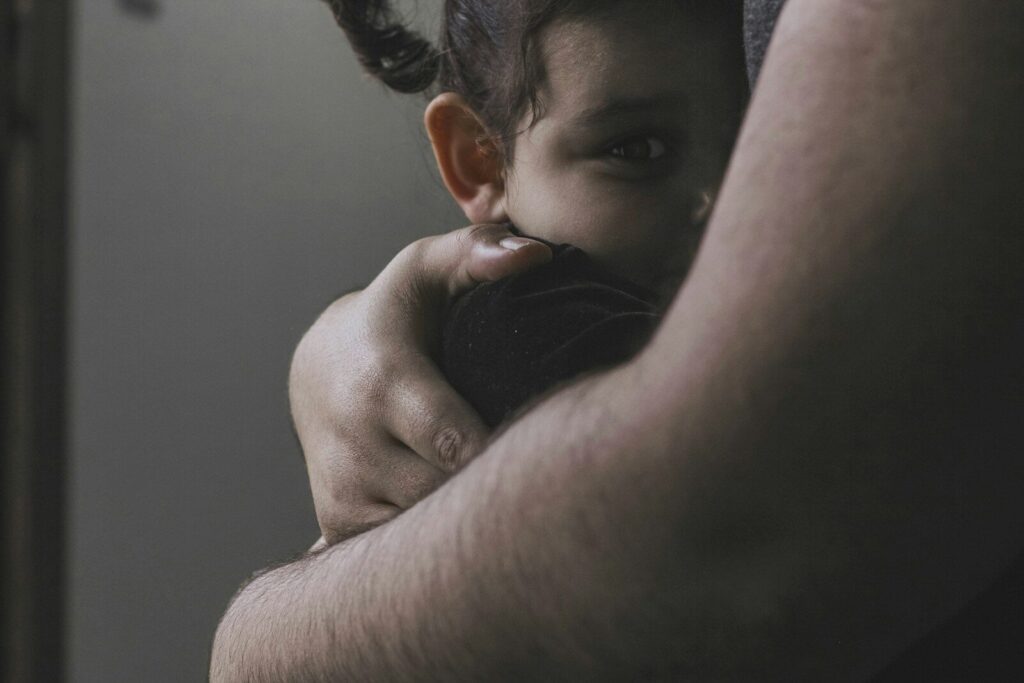
‘Domestic abuse is a horrendous crime, which can have a long-term and devastating impact on the people and families affected, in particular children,’ Sara Conway, vice-chair of the LGA’s safer and stronger communities committee, said. ‘While the vast majority of those watching football games are not in any way involved in domestic abuse, data shows a spike in incidents during this time.
‘Our ambition as a society must be to do everything we can to tackle domestic abuse head on and eradicate it.’
She added: ‘The World Cup presents us with a vital opportunity to help teach younger people about healthy relationships and how to treat one another with respect as embodied in the ideal of sportsmanship.
‘An equal focus is needed on funding for prevention and early intervention measures that aim to prevent domestic abuse happening in the first place, alongside wider community-based domestic abuse support services and accommodation-based support and refuges.’
‘He’s Coming Home!’
In the study The role of alcohol in the link between national football tournaments and domestic abuse – Evidence from England (conducted by Warwick Business School), experts found there was no increase in reports of non-alcohol-related domestic abuse on England match days.
‘This pattern is highly consistent with a causal link between England wins, which create an opportune time for drinking, and alcohol-related domestic abuse,’ Dr Trendl said.
‘We found no evidence for alternative explanations, such as increased policing on match days leading to higher detection rates, or awareness campaigns before a tournament leading to higher rates of reported domestic abuse.
‘For many, a World Cup is a time of positivity, community, and national pride. But as our findings show, there is evidence of a darker side to these events.’
Turning to the tournament’s graver aspect, Elaine Yates, chief executive of Coventry Haven Women’s Aid, said: ‘We need to be absolutely clear that the World Cup and football tournaments do not cause domestic abuse.
‘It is well known that incidences of abuse and violence increase when teams lose, but there are also more reported incidences when they win.
‘Women’s Aid campaign message is simple and reflects how many victims must be feeling right now – ‘He’s Coming Home!’
If you or anyone you know might need extra support over the coming weeks, some helplines include:
Image: Shutterstock
In related news:
Interview: Hilary Stephenson on human-centred design for apps and websites
Leave a Reply