

















Women are being wrongly arrested, prosecuted and in some cases separated from their children, by police officers who fail to recognise them as victims of domestic abuse.
Funded by the Olwyn Foundation, the research exposes a ‘culture of disbelief’ within the criminal justice system, whereby women reporting abuse are often treated as offenders instead of victims – particularly when partners make counter-allegations.
It highlights many harrowing case studies of women arrested after acting in self-defence, responding to prolonged abuse, or being manipulated by abusive partners who are said to weaponise the legal system.
In one instance, a woman who had been repeatedly assaulted by her husband was arrested after he falsely claimed she had threatened him. In another, a woman who spoke little English was detained overnight after defending herself during an assault, while her child was left with the alleged abuser. She was held without access to an interpreter.
Researchers found police and prosecutors often miss signs of long-term abuse and coercive control. Instead, decisions can be influenced by surface impressions – such as who appears calmer at the scene.
Frontline organisations also warned that women with mental health issues, substance dependency, insecure immigration status, or language barriers are specifically at risk of being criminalised.
Pragna Patel, who led the research, said: ‘The case examples and reflections in this study suggest the privileging of the male voice and downgrading of the voices of women, particularly those who are marginalised, including Black, Asian, minoritised and migrant women.
‘Vulnerability itself appears in some cases to be a driver of criminalisation and detention, which is directly contrary to the public interest.’
The report also highlights the growing use of counter-allegations by perpetrators, which campaigners say are being used as a tactic of control. Several support workers described cases where police appeared to believe abusive partners without properly investigating wider patterns of violence.
Data from the Maggie Oliver Foundation shows between 30 and 40% of the 1,500 victims it supported over the last three years had either been threatened with arrest or criminalised themselves.
Against this backdrop, CWJ is calling for better police training on coercive control, trauma-informed approaches, earlier legal advice and greater support for specialist services.
Harriet Wistrich, solicitor and chief executive officer of CWJ, said: ‘For many years now, CWJ and others have called for legislation to provide effective defences for victims of domestic abuse who are accused of offending, and for improved leadership, training, guidance and accountability mechanisms to improve practice by police and prosecutors so that victims’ experience of abuse is properly taken into account in any proceedings against them.
‘These calls have recently been echoed by the government-appointed independent Women’s Justice Board and we await the government’s response.’
The study, They Don’t Understand Abuse, was published by the Centre for Women’s Justice (CWJ) and draws on evidence from survivors of violence against women and girls (VAWG), frontline organisations and legal advocates across England, Wales and Northern Ireland.
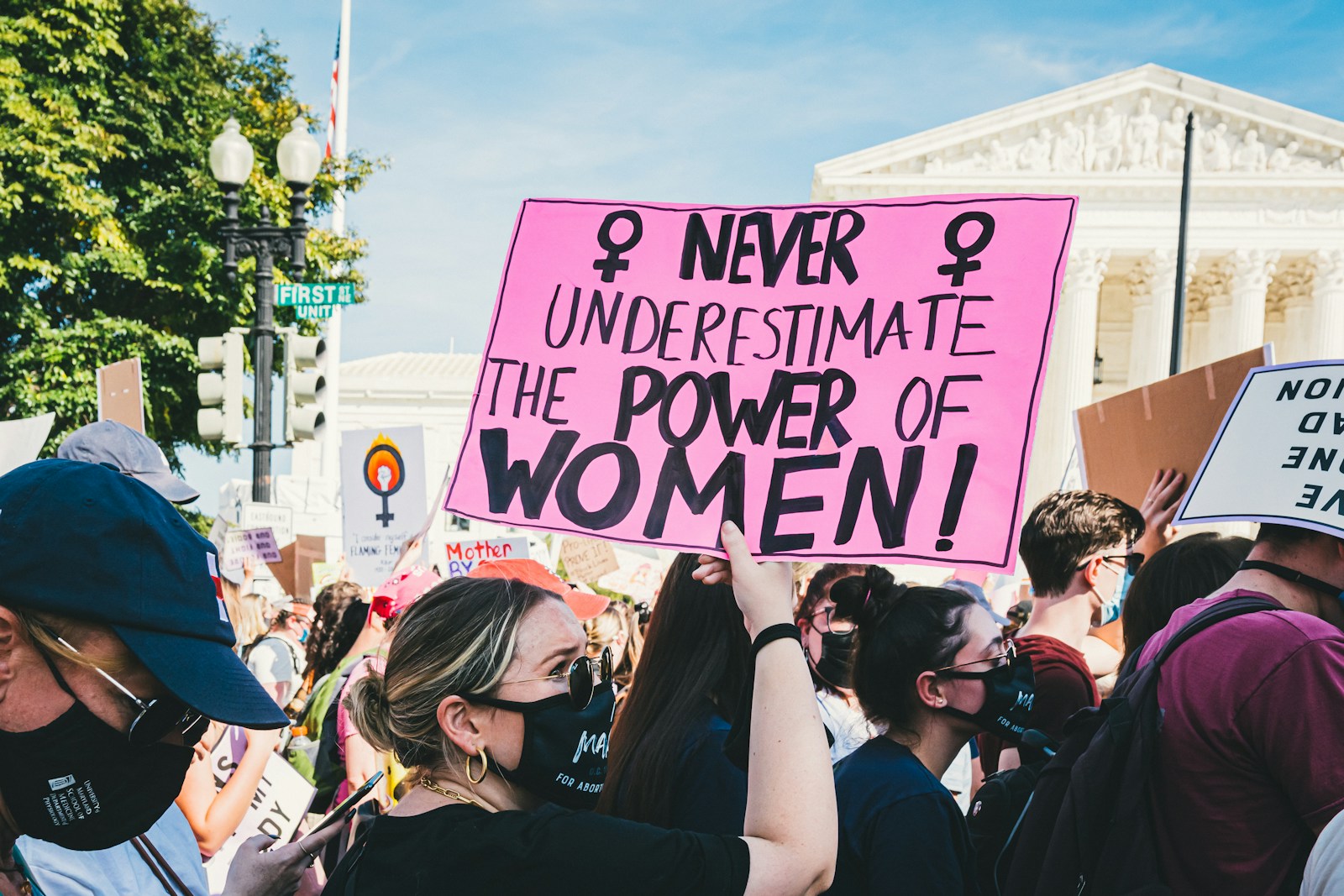
Image: Gayatri Malhotra/UnSplash
In related news:
‘Sobering’ jobs crisis leaves Labour facing renewed welfare pressure
Leave a Reply