










Children are being placed in unregistered settings such as caravans, Airbnbs and holiday accommodation amid a shortage of regulated care placements.
A new report by Public First, commissioned by Commonweal Housing and based on Ofsted data, found suspected unregistered children’s homes increased from 144 in 2020-21 to 680 in 2024-25.
Policy analysts said the figure is likely an underestimate and that reliance on unregulated placements has increased over the period.
Social workers and child protection practitioners told researchers that use of such placements has moved from occasional instances to, in some areas, weekly occurrences.
According to the report, private providers account for more than 80% of children’s residential homes in England. It states some providers charge between £20,000 and £40,000 per week for residential placements, while unregulated placements average £10,500 per week.
The research also shows that children are sometimes placed in unregistered settings when no regulated beds are available.
Children’s Commissioner Dame Rachel de Souza described the use of illegal care settings as a ‘national scandal’.
‘I have been warning about this practice for years, and I need leaders at every level to grip it urgently,’ she said. ‘Hundreds of children with complex needs each year are in placements operating without regulation or safeguards because there are simply not enough good, safe options to give them the quality of care they need.’
In a small number of cases, the report shows some children remain in unregulated placements for more than a year. It also includes examples of children being placed in holiday camps or similar accommodation for months, rather than in registered homes.
According to The Guardian, which first reported the findings, social workers described being given a ‘Hobson’s choice’ between unregulated placements or leaving children without accommodation, including at police stations or on the streets.
Gil Richards from Public First, who authored the report, added some registered providers avoided high-risk children, fearing damage to their Ofsted ratings, and preferred to leave beds empty rather than accept children linked to gangs repeated missing episodes or extreme behaviour.
The report warns: ‘The ultimate risk here is the accumulation of increasing levels of harm for children who have already faced enough distress for several lifetimes.’
It concludes that the ‘problem is not that every unregistered home is bad – it is that the system cannot reliably tell the difference.’
Among its recommendations are improved data collection on placements and costs, changes to registration rules to allow more flexible emergency provision, and strengthened regional commissioning to reduce reliance on last-minute placements.
News of the report comes as the Children’s Wellbeing and Schools Bill continues its passage through parliament. Under the legislation, Ofsted would be able to issue fines to those running illegal homes and would be given new powers to investigate and enter premises suspected of operating as unregistered children’s homes or schools.
A spokesperson from Ofsted told The Guardian: ‘Too many children are being placed in unlawful settings where they’re at risk of harm. The use of these placements must stop.
‘Ofsted is working hard to investigate unregistered children’s homes and compel them to either register or close.’
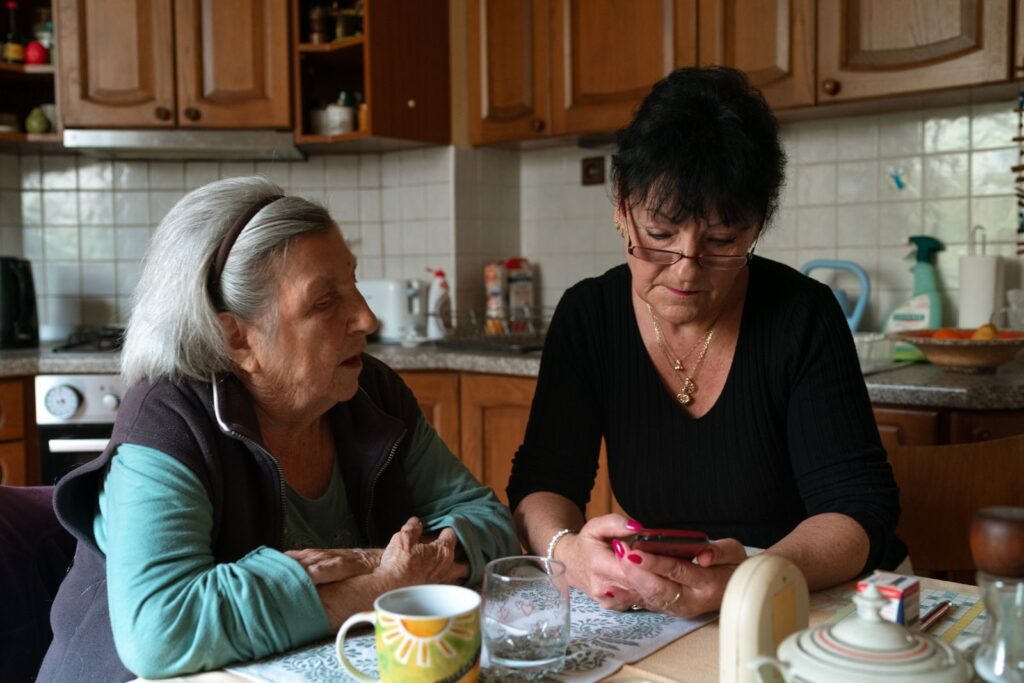
Image: Gaby Fishman Fosbery/UnSplash
In related news:
Leave a Reply