















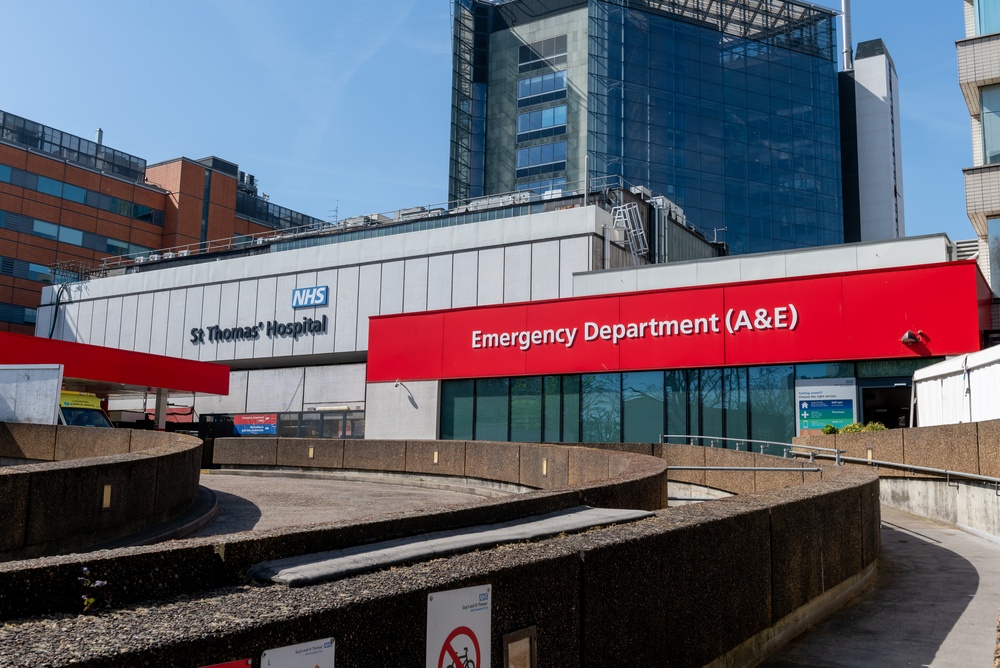


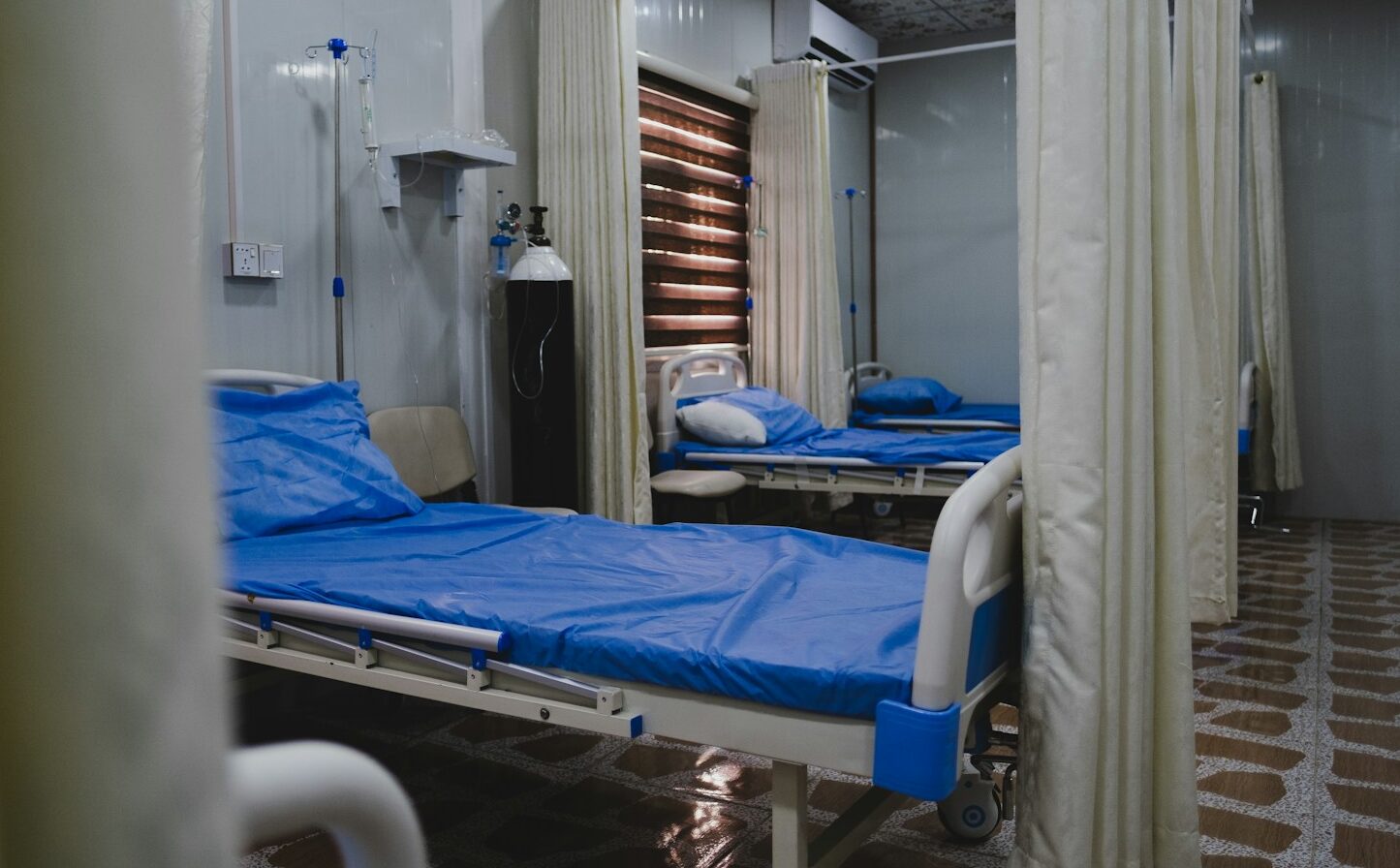
Targeted support and new urgent care sites aim to cut waiting times and end corridor care across England’s NHS.
NHS leaders at the worst-affected trusts, where patients are treated in hospital corridors instead of proper rooms, are to receive targeted support aimed at ending the practice by the end of this parliament.
Specialist teams from the Getting it Right First Time (GIRFT) programme are being sent to tackle the issue, which is understood to be concentrated in a small number of trusts.
Support includes analysing hospital data, improving discharge processes and helping clinical teams make faster decisions on patient care.
Alongside this, the Department of Health and Social Care (DHSC) has confirmed 40 new and expanded urgent care sites across England, backed by £215.5m.
The programme includes 10 new urgent treatment centres, four expanded urgent treatment centres, five new same day emergency care (SDEC) services and 21 expanded SDEC services.
Health Secretary Wes Streeting said corridor care had become ‘normalised’ in parts of the NHS.
‘For too long, the normalisation of corridor care has been baked into our NHS – it’s unacceptable, undignified and exactly why this government is shifting the dial for patients and staff,’ he said.
‘We’re sending in specialist teams of experts to identify the causes in some of the worst offending trusts and swiftly rectify the problems they find.
‘That, plus new and expanded urgent care centres will mean patients are treated more quickly and in the right place, while easing pressure on busy A&Es to care for the most serious cases.’
Separate findings from the Royal College of Nursing show around one in five emergency patients are treated in inappropriate areas such as waiting rooms, cupboards or corridors in England.
By late 2025, more than 116,000 patients had waited over 12 hours for a hospital bed.
However, the government said early signs of improvement are already being seen in some hospitals.
At Queens Hospital, a new initial assessment system reduced waiting times by around 37 minutes. In Hull, ambulance handover delays have fallen by 27% and 12-hour waits by 47%. Similarly, in Blackpool, 12-hour waits have fallen by 43%.
The NHS has also published a formal definition of corridor care for the first time, allowing the issue to be measured nationally. Figures will begin to be published from May 2026.
Professor Tim Briggs, who leads GIRFT, said the focus was now on spreading improvements across the health system.
‘We’re working hard to support the trusts facing the biggest challenges with patient flow and we’re seeing some good early evidence of reductions in corridor care for patients,’ he explained.
‘Our focus over the next sox months is to take what we’ve learned and cascade it across the whole NHS, so we can improve care for patients and eliminate this issue once and for all.’
Image: Levi Meir Clancy/UnSplash
In related news:
Money, money, money: care workers are facing retirement insecurity
Leave a Reply