













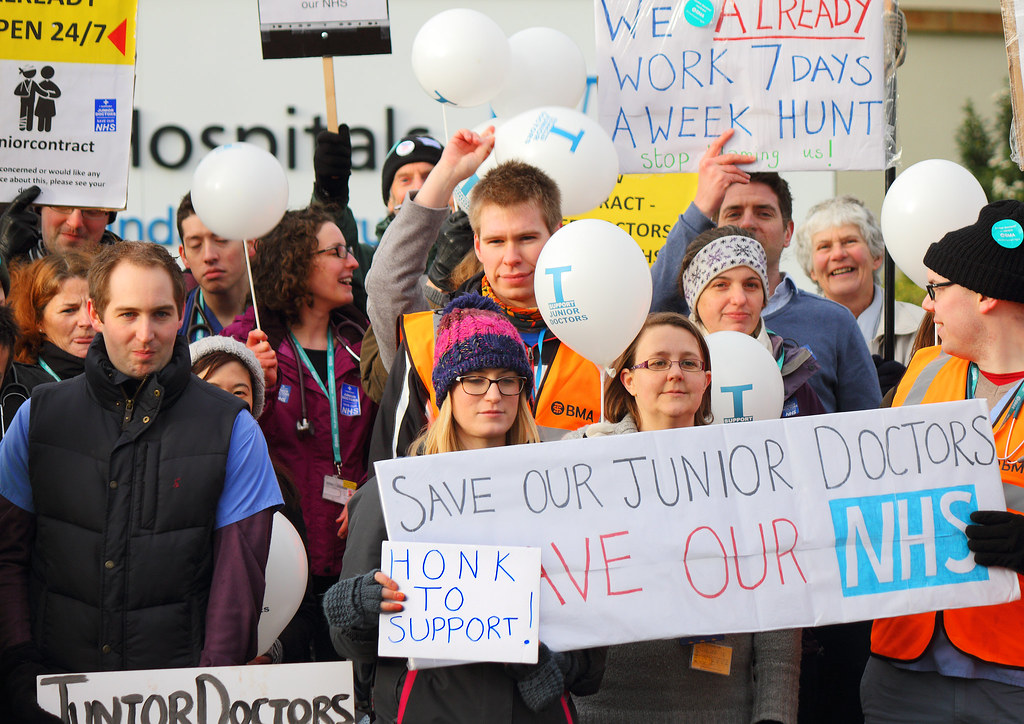
Resident doctors in England have begun a six-day strike, their 15th long-running dispute over pay.
The walkout, which started at 07:00 BST on Tuesday 7th April and is due to end on Monday 13th April, is expected to significantly disrupt services across the country, with resident doctors making up almost half of the NHS workforce.
Senior medics have stepped in to cover emergency cases, but some pre-planned treatments and appointments have been cancelled.
Against this backdrop, the Mid Yorkshire Teaching NHS Trust, which runs Pinderfields, Dewsbury District and Pontefract hospitals, is urging the local community to consider the services best suited to their healthcare needs.
‘Our teams across the trust remain focused on caring for people who need urgent medical help because they are seriously unwell, injured, or their life is at risk,’ Richard Robinson, chief medical officer at the Mid Yorkshire Teaching NHS Trust, said. ‘Health concerns that are not emergencies can often be safely treated by other healthcare professionals, such as your GP or local pharmacy.
‘We are continuing to deliver planned services wherever we can. However, to ensure urgent and emergency care is available for those who need it most, a small number of outpatient appointments or planned operations may need to be rearranged.’
The British Medical Association (BMA) called the strike after negotiations with the government broke down in March. Ministers offered a package that included covering out-of-pocket expenses, such as exam fees, faster pay progression and additional training posts that doctors move into two years post graduation.
Health secretary Wes Streeting said the government will not negotiate on pay, because resident doctors were given the most generous pay rise in the public sector. From 1st April 2026 they received a 3.5% pay increase, but this has been given to all doctors as part of the annual pay review process.
Starting salaries now stand at just over £40,000, with the most senior doctors getting £76,500 in basic pay.
‘It is disappointing for patients and staff alike that the BMA has decided to press ahead with strikes this week, despite the deal we put to them which would have seen resident doctors 35.2% better off, on average, than they were four years ago,’ Streeting said.
‘My attention and that of leaders across the NHS is now on protecting patients and staff by minimising disruption to the health service.
‘Thanks to the dedication of talented NHS staff, the health service delivered almost 95% of planned activity during December strikes, and I want to reassure patients that the NHS will be there for you when you need it this time too. My heartfelt thanks go out to all those hard at work this week.’
Speaking to BBC Breakfast, Dr Emma Runswick, deputy chair of the BMA council, said: ‘[T]he government decided to move the goalposts quite last minute to reduce the level of investment they were prepared to make.
‘That meant that the offer that they made was not one that we could put to members, we know that it will be rejected – and therefore we’ve had to call strike action once again.’
UPDATE:
Last night (Tuesday 7th April), YouGov published their survey results which show 55% of respondents oppose resident doctors striking this week.
In response, Wes Streeting claimed he shares ‘their frustration, given the BMA have walked away from a ground-breaking deal’.
‘More than half of the public oppose this damaging strike action by the BMA resident doctors committee,’ he said. ‘People and patients are understandably fed up.
‘I want to reassure the public that the NHS is still here for you this week, and my thanks go out to all those NHS workers hard at work covering gaps.’
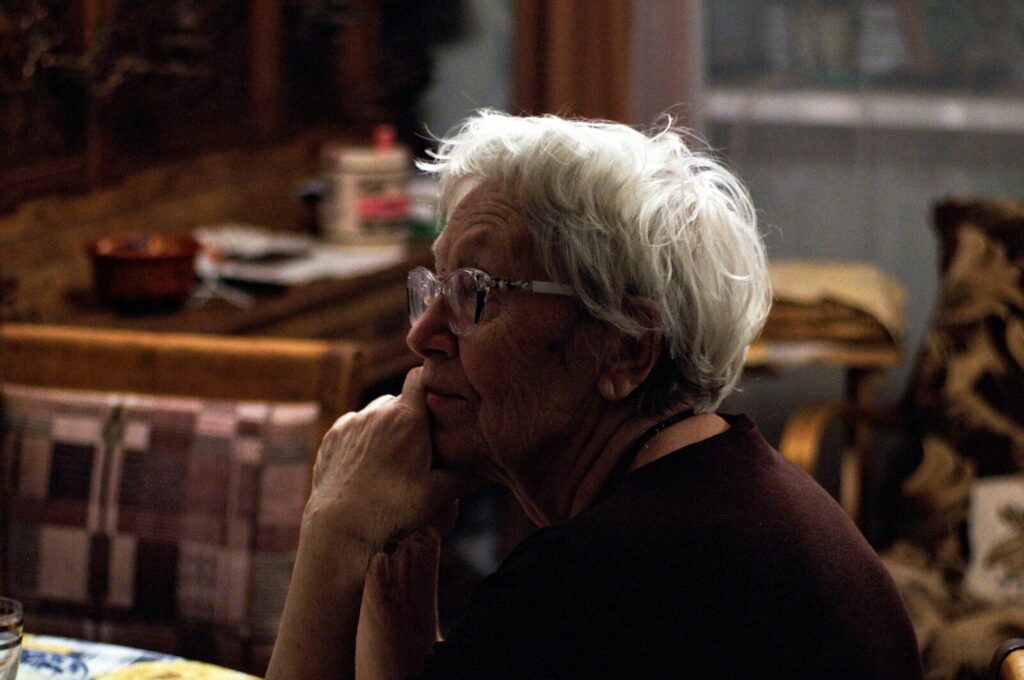
Image: Openverse
In related news:
We can’t stop teens asking AI about body image, so how do we respond?
Leave a Reply