






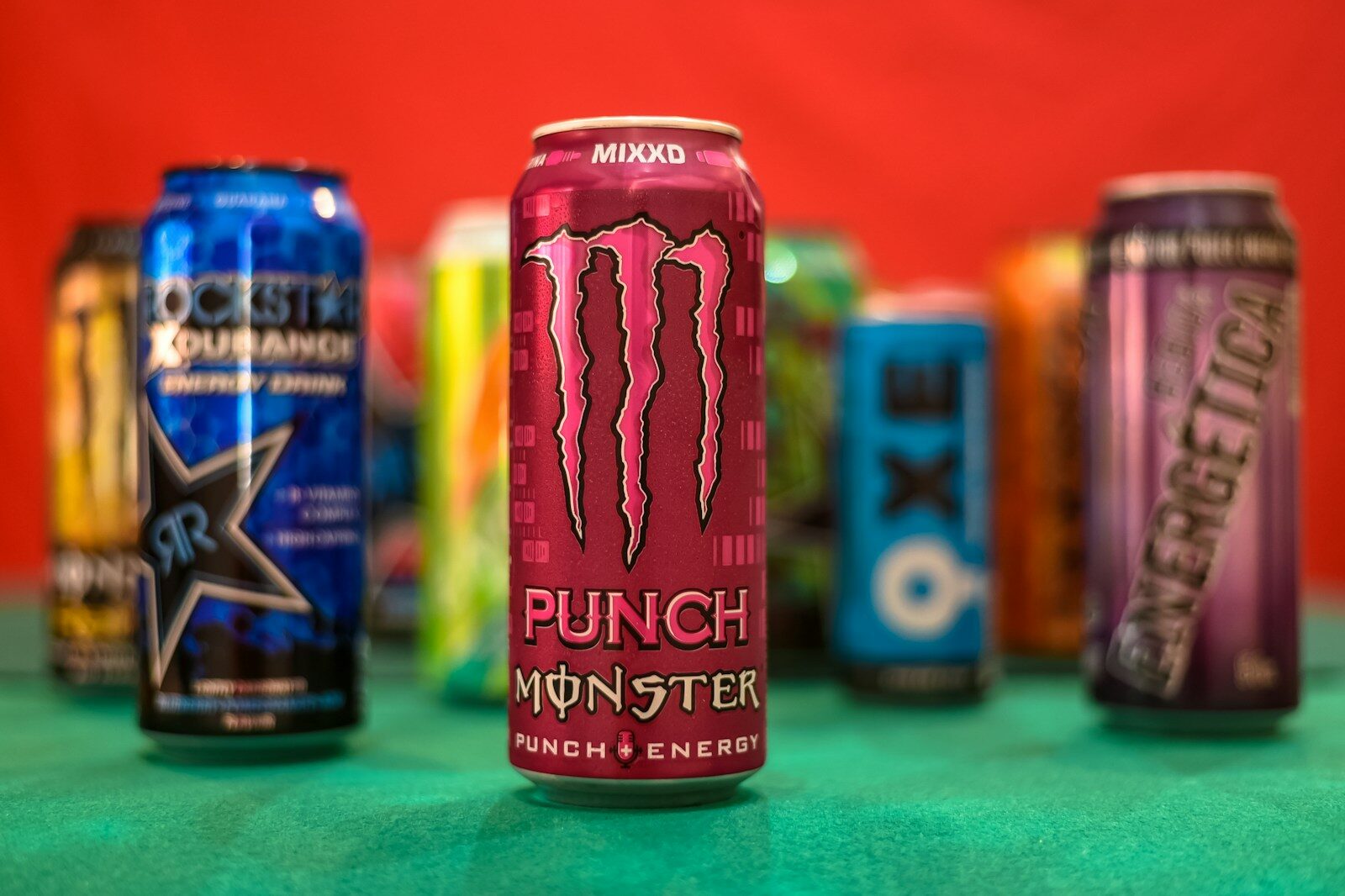
England will ban the sale of high-caffeine energy drinks to children from next spring, after research showed the products can harm young people’s health, education and wellbeing – with retailers facing fines of up to £2,500 for breaking the rules.
The move, announced yesterday (16th July), follows a consultation that received nearly 1,100 responses from businesses, public health organisations, enforcement bodies and members of the public, with strong support for introducing an age restriction.
It is estimated that around 100,000 children in England consume high-caffeine energy drinks every day. Evidence suggests these beverages can negatively impact physical and mental health, as well as educational outcomes. Children living in more deprived areas and households are more likely to consume these drinks, increasing health risks and impairing their learning.
The legislation will apply to drinks – excluding tea or coffee – that contain more than 150mg of caffeine per litre. The ban will cover all retail settings, including shops, vending machines, websites and online platforms, though business-to-business sales will be exempt.
Retailers will be responsible for ensuring these drinks are not sold to under-16s, while local authorities will enforce the ban. Businesses that break the law face fines of up to £2,500.
The government will take forward secondary legislation using powers contained in the Food Safety Act 1990, subject to parliamentary approval. The ban is intended to come into force in April 2027, giving businesses time to prepare and adjust their practices.
The ban builds on previous government efforts to tackle childhood obesity and improve children’s health, including restrictions on the marketing of high-fat, salt and sugar foods. It also follows similar age restrictions introduced in Wales and Scotland, creating a consistent approach across Great Britain.
Katharine Jenner, Executive Director of the Obesity Health Alliance, said: ‘This is a hugely popular policy, backed by parents, health professionals and the public, and a vital step towards protecting children’s health. Strong evidence links high-caffeine energy drinks to anxiety, poor sleep, reduced concentration and harm to learning and wellbeing – restricting sales to children at a vital time in their life is just common-sense.
‘Children in more deprived communities are disproportionately affected. Extending the ban across shops, vending machines and online sales will create a fair, consistent system for retailers and families. After years of delay, the Government must now secure approval, support effective enforcement and ensure the ban starts promptly in April 2027.’
Leave a Reply