







 Originally posted on
Local Gov Legal
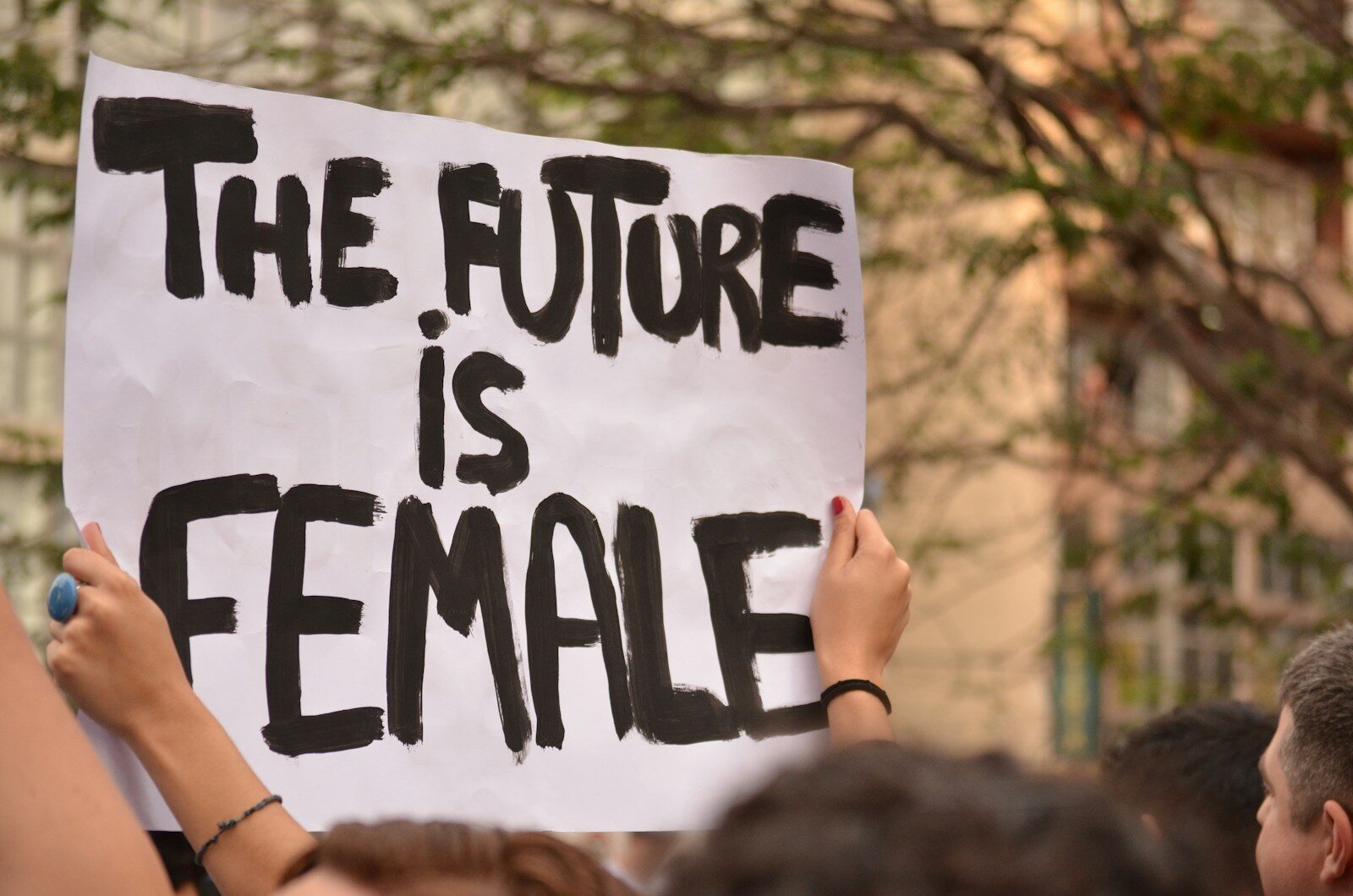
Calls to battle violence against women and girls (VAWG) have been made as the United Nations’ 16 Days of Activism campaign begins.
Recently, I visited the team at Woman’s Trust and barely had a foot through the door before we started talking about some of the horrific cases involving VAW that have been in the headlines.
In the past month alone, Russell Brand has been sentenced to 10 years and six months in prison for one count of rape and three counts of sexual assault and the Met are investigating David Walliams over allegations of preying on young women for sex.
Meanwhile, a former Cornell University student, using the pseudonym ‘Jane Doe’ is suing the university after she was gang raped by seven students in October 2024.
It was during this visit (more on that later) that Woman’s Trust told me about the UN’s 16 Days of Activism campaign, which launched on Wednesday (25 November) and couldn’t have come at a better time.
Across the globe, governments and organisations are marking the campaign with different initiatives, some of which can be read below.
Scotland’s plans to tackle VAW
On Wednesday, the Scottish government published an updated Equally Safe Delivery Plan for 2026-2031.
Launched during a visit to Young Women Know, a programme that works with women on consent, online safety and tackling sexual abuse, the plan focuses on four areas, including prevention, protection, prosecution and policy.
While announcing the plan, First Minister John Swinney described VAWG as ‘abhorrent’ and claimed he’s ‘pledged’ his leadership towards tackling it.
He added: ‘The UN’s 16 Days campaign and recent high profile cases, brings the devastating impacts of gender-based violence into sharp focus and reinforces the urgent need for all parts of society to work together’.
European politicians call for action on online abuse
‘Women and girls have the right to participate in public life and be online without fear,’ Heléne Fritzon, vice president of the Progressive Alliance of Socialists and Democrats, says. And, while she’s absolutely right, statistics show online abuse is a growing problem for women.
Research from the End Violence Against Women Coalition (EVAW) and Refuge show one in three women (36%) experience some form of abuse online, rising to 47% among women aged between 16 and 24.
Marking the launch of the 16 Days campaign, the socialists and democrats are urging technology companies to be more vigilant when it comes to online abuse, specifically cyberstalking, misogynistic harassment and AI-generated sexual images created without consent.
The group has also drawn attention to online networks, sometimes described as ‘rape academies’, where men share advice on drugging and sexually assaulting women, as well as recordings of abuse.
‘We need platforms to take responsibility and authorities to enforce the rules,’ Fritzon added. ‘The upcoming ban on AI systems that generate non-consensual intimate images must be properly enforced. Above all, we must ensure that rape is criminalised across the EU on the basis of the absence of consent. Women must be free from violence, online and offline.’
A closer eye on UK police investigations
We all remember the devastating case of Sarah Everard. Well, the Independent Office for Police Conduct (IPOC) has unveiled a new scheme to prevent cases of police officers abusing their power and ensure allegations of VAGW are properly investigated.
Cases involving domestic abuse, stalking and sexual offences will be covered by the team and they’ll also look at complaints about how police have handled reports of abuse.
Emily Barry, the IPOC’s lead on VAWG, said crimes against women ‘remains a national priority for policing’.
‘Members of the VAWG Network will provide specialist support, guidance and advice throughout our VAWG-related investigations,’ she continued. ‘These might include investigations into how police officers have handled VAWG cases, or where police officers or staff members may be accused of VAWG offences.’
‘Our SEMs play an important role engaging with potentially vulnerable victim-survivors. They offer support for people to disclose and report offences, offer wellbeing help, provide case updates, and accompany victim-survivors during interview or at court,’ Barry added.
Image: Gabriel/UnSplash
Other features:
Budget 2026: little ‘breathing space’ for health and social care
‘It proved the opposite’, challenging ADHD and autism overdiagnosis claims
Leave a Reply