














Healey described this year’s fiscal statement as a ‘budget for the worker, the sole trader, the parent at the school gate’, but health and social care were left out in the cold…
During his address to the House of Commons, Chancellor John Healey unveiled a raft of big changes, with household finances due to feel the impact. Some of the announcements include a £100 energy payment for 20 million households in council tax bands A to D and scrapping the standing charge on gas bills.
Homelessness also received a lot of attention – £430m was announced to provide emergency accommodation and support for those sleeping rough, but more on that on our sister title Newstart…
On social care, changes were far less grand. Carer’s Allowance will gradually taper as earnings rise, rather than being withdrawn entirely once earnings exceed £204 a week.
Elsewhere, pensioners receiving the state pension are to be exempt from paying income tax this quarter and paid parental leave has been extended to self-employed fathers and their partners.
The NHS also got a (small) look in. Healy revealed £190m to help manage winter pressures and a review of NHS productivity and AI to explore how tech could improve services.
Following this afternoon’s budget announcement, industry experts have begun sharing their reactions, which you can read below. We’ll update this section as more come in.
Peter Otto, CEO of Sentai
A National Care Service will ultimately be delivered in communities, so reform cannot succeed without sustainable funding for local authorities.
Councils are often where prevention, community support and technology-enabled care actually become real for families.
Investment in hospitals is also important, but the NHS cannot be fixed in isolation from what happens in people’s homes.
Funding needs to follow the whole journey, from hospital through to community care, prevention and independent living at home.
Professor Martin Green OBE, chief executive of Care England
The chancellor said he wants to invest in preventative measures and allow businesses to expand. Local authorities must be properly empowered to make these ambitions a reality; however, this budget makes little difference to improving the state of adult social care services in this parliament, where there is still unmet need and an ever-increasing funding gap according to our three recent reports on care provider funding.
I say to the chancellor, if you want to improve conditions for our sector and our workforce, you must put in the funding needed to meet these costs.
Charles Hipps, founder and CEO of Oleeo
AI has made it much easier to produce a convincing application. It hasn’t made it any easier for a recruiter to know whether the person behind it can actually do the job. They still need to examine the evidence, assess somebody’s abilities and make a decision they can stand behind.
Professor Nicola Ranger, general secretary and chief executive of the Royal College of Nursing
This budget treats health and care as something of an afterthought rather than gripping the crisis staff are facing.
It is the largest part of government expenditure and a priority for voters and taxpayers so deserved a more central role today.
Digital innovation and AI has the potential to release time for nursing professionals weighed down by admin, but it cannot make up for growing the nursing workforce and safety must be at the heart of its deployment. A minor positive announcement on prevention aside, this budget hasn’t delivered the meaningful change our profession has been crying out for.
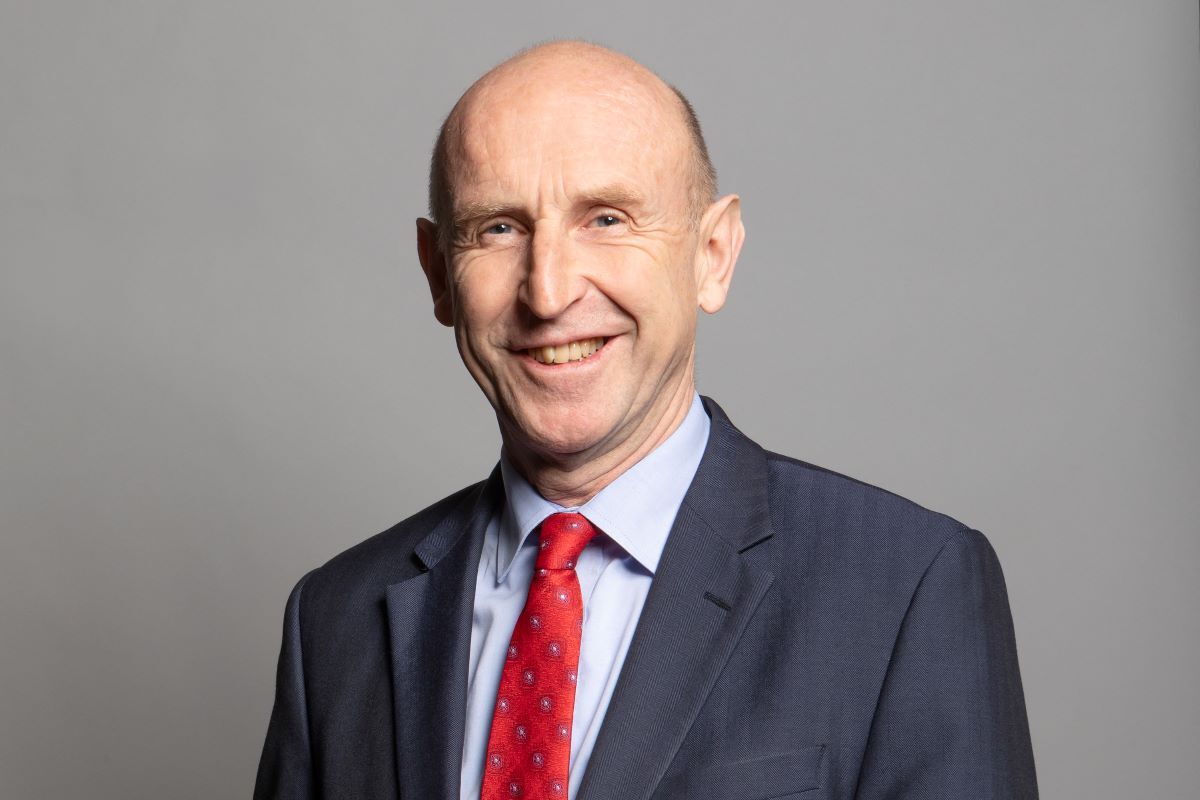
Image: Chancellor John Healey/House of Commons
In related news:
Panel to give child sexual abuse victims a say in government policy
Children turn to AI when mental health support is out of reach
Leave a Reply