
















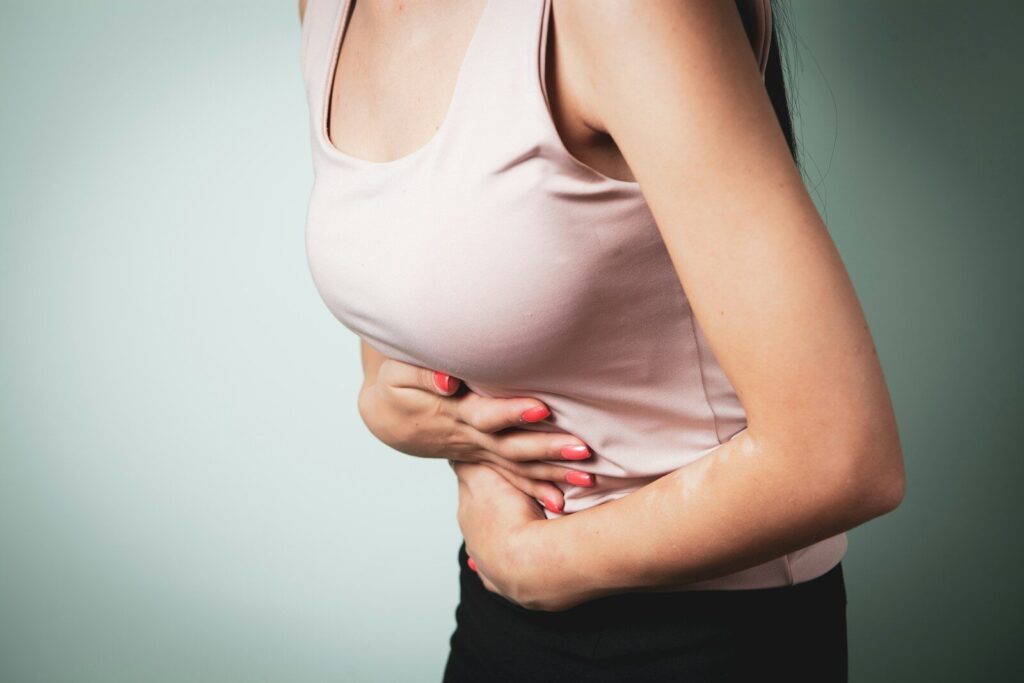


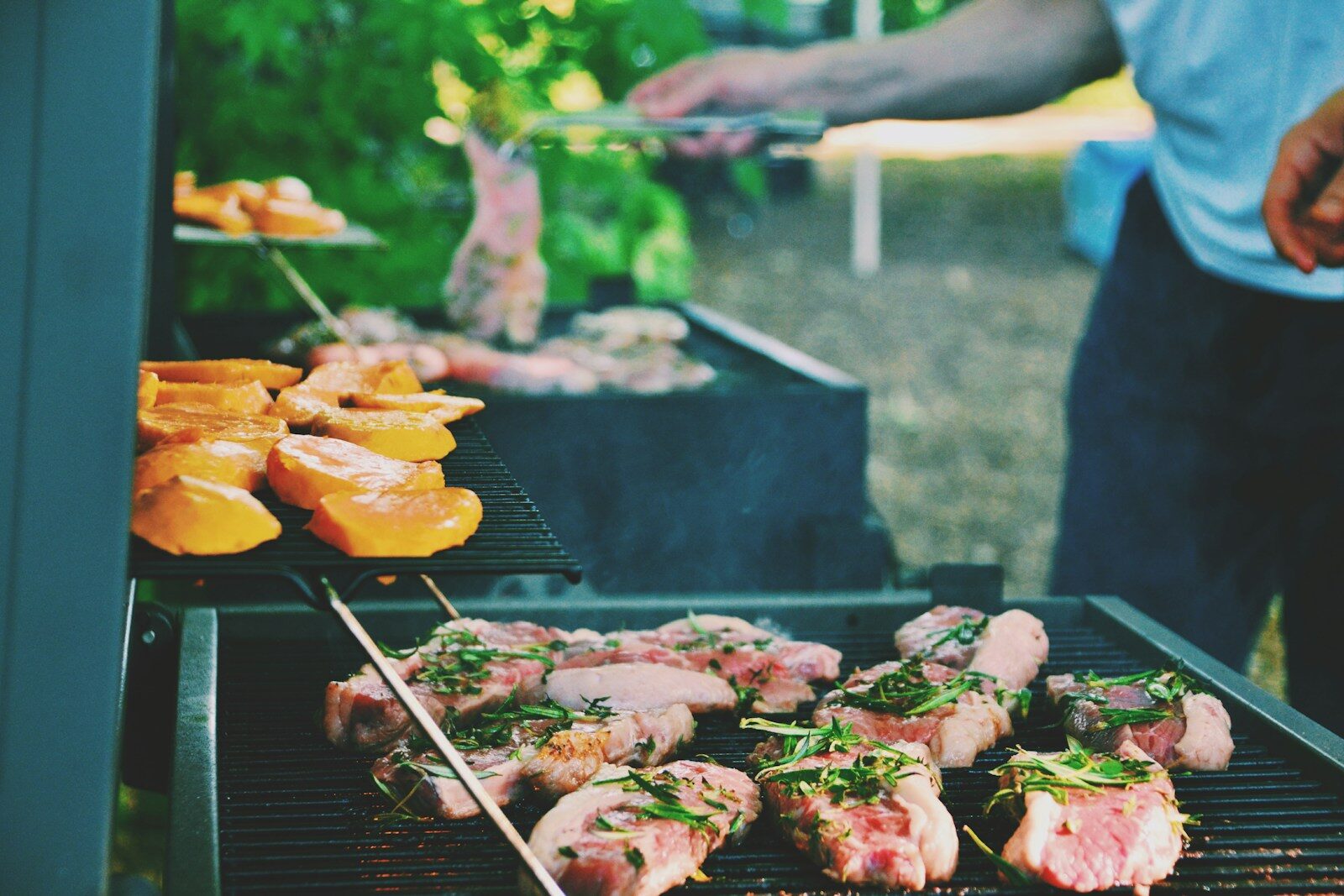
Food Standards Agency issues advice campaign following rising cases of Salmonella and Campylobacter.
It’s that time of year where, in the afternoons and evenings, you catch a whiff of charcoal and grilling meat on the air. ‘Oh, someone’s having a barbecue,’ you think. ‘We could have one, too…’
It’s an excuse to have people round, to eat together, to share something we’ve done for hundreds of thousands of years – cook food over an open fire. But we can sometimes be a bit impatient to get stuck in.
Undercooked meat – such as when the outside of some chicken or a burger look cooked but the inside is still raw – can make us very ill. The FSA says cases of Salmonella and Campylobacter both increase over the summer, over linked to undercooked or mishandled meat and eggs.
In fact, confirmed cases of Campylobacter, which is the most common cause of food poisoning, were at higher than normal levels in England in 2024 and 2025. The latest UKHSA figures, from May, show that cases of Salmonella in England reached their highest level in 10 years in 2024 and remained at a similar level through 2025.
That’s why the FSA has issued a simple guide to to avoiding ‘common BBQ blunders’:
First, avoid the ‘It looks done’ gamble’. When cooking meat, check the juices run clear, with no remaining pink. You can also cut the meat open to check it is fully cooked inside. A meat thermometer should read at least 75°C at the thickest part (though red meat can, of course, be served pink or rare, and is safe to eat as long as the surface has been seared).
Secondly, use more than one utensil, with separate knives, tongs and chopping boards for raw and cooked food. Always wash your hands after handling raw meat, and always keep raw meat away from ready-to-eat food.
Thirdly, there’s the ‘sunny side’ risk: if food is left out in the sun, bacteria can quickly multiply. The FSA advises keeping food in a cool bag with ice packs, away from direct sunlight.
Fourthly, avoid ‘risky food roulette’: cooked chicken, eggs and prepared salads (eg potato or rice salad, and coleslaw) are particularly at risk from the heat.
Lastly, be aware of particularly at-risk groups: children, older grown-ups, those who are pregnant or have weakened immune systems.
Rebecca Sudworth, Director of Policy at the Food Standards Agency, says: ‘We want to make sure everyone can enjoy food safely with friends and family this summer, without the worry of food poisoning spoiling it.
‘We know that food poisoning cases rise during the summer months, and BBQs and picnics can create the conditions where bacteria thrive if food isn’t handled carefully. The good news is that a few simple habits – cooking meat all the way through, keeping food cool, and washing your hands – can make a real difference. We’d encourage everyone to take a few moments to look at our guidance as they get ready to enjoy the warmer temperatures this summer.’
Dr Gauri Godbole, Deputy Director for Gastrointestinal Infections at UKHSA, adds: ‘Summer is a great time to enjoy barbecues and picnics, just be aware of the simple steps to enjoy food safely. Washing your hands thoroughly with soap and water, especially after using the toilet, before eating, and after handling raw meat, is one of the most effective ways to prevent infection. It’s also important to cook food thoroughly, keep raw and ready-to-eat foods separate, and ensure food is stored correctly by keeping it chilled and following use-by dates.
‘Anyone experiencing diarrhoea or vomiting should avoid preparing food for others and should not return to work – and children should not attend school or nursery – until at least 48 hours after symptoms have cleared.’
Further guidance and advice on food safety can be found in the FSA section of GOV.UK.
Photo by Jo Jo / Unsplash
In related news:
Final LeDeR report on deaths of people with learning disabilities
Leave a Reply