















When it comes to recruitment in health and social care, headlines often focus on hospitals and care homes under pressure. Less visible are the people within councils working to keep services running amid rising demand.

Image: Tameside Council building
Joe Kelly, Strategic Director of Adult Social Care and Health, and James Mallion, Director of Public Health at Tameside Council, talk to us about their career journeys, including the challenges of leading through the Covid-19 pandemic, which they describe as a ‘really emotional time’.
At the beginning of the interview, James told me: ‘I was a real fish out of water. I had real imposter syndrome,’ but as the conversation unfolds, it becomes clear why both men were chosen for their current roles.
When you were younger, did you both want to work in health and social care?
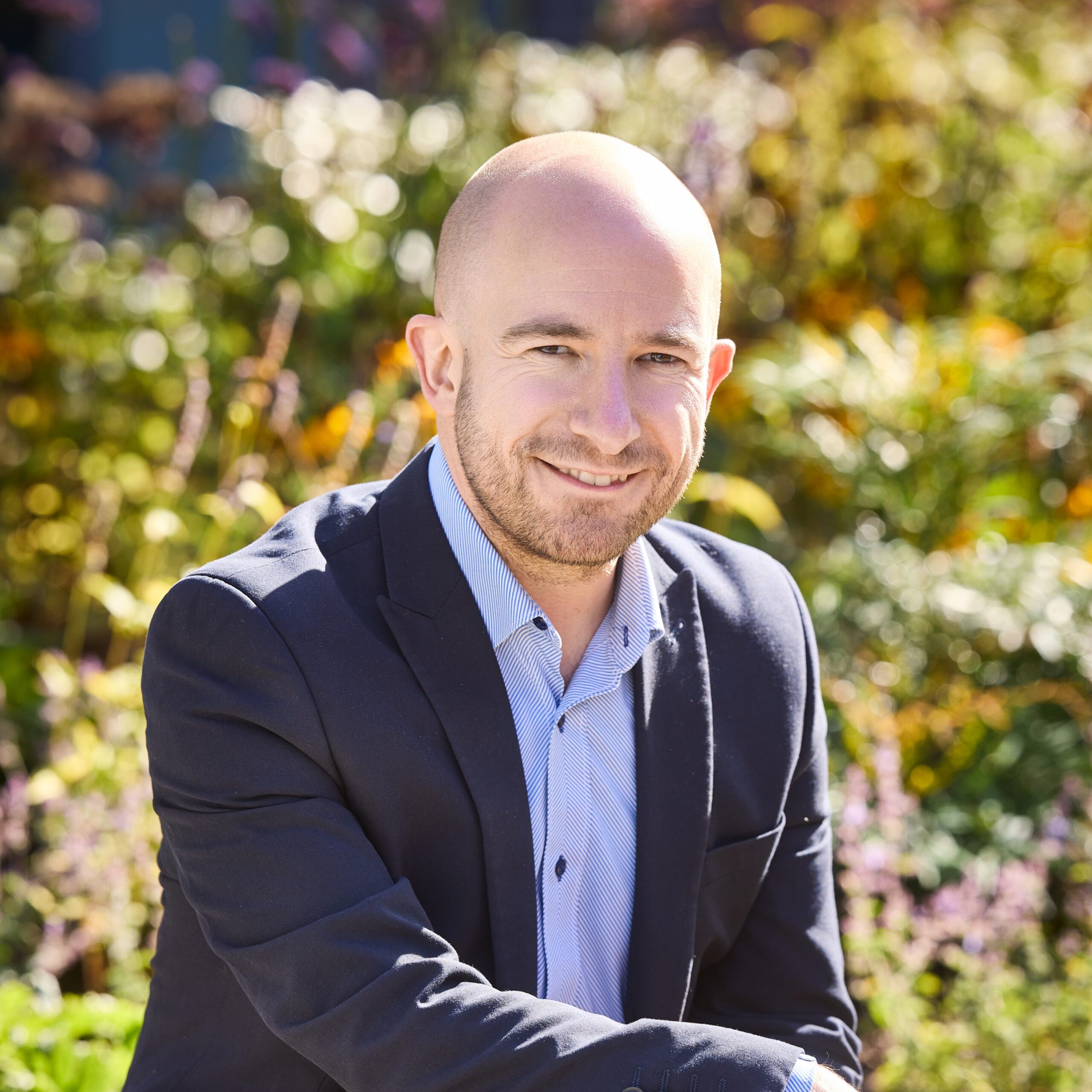
James: If I’m being honest, it wasn’t really my plan. I did a geography degree at university and really enjoyed it. I did alright at school, always had to work quite hard, but when I left education, I wasn’t too sure what job I wanted to do.
I started working at Tameside Council in 2007 in HR but I quickly found that I wanted to work in a more resident focussed role.
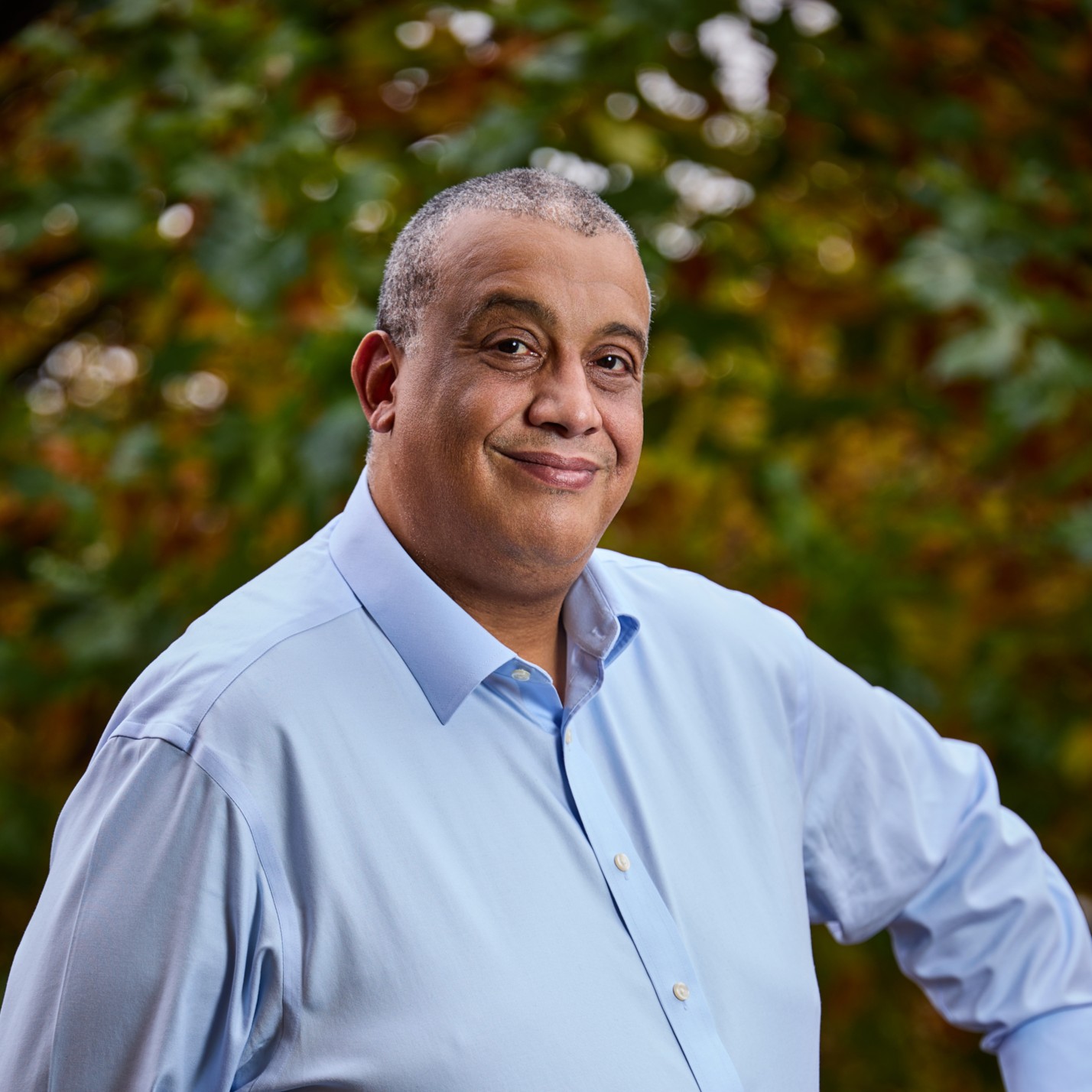
Joe: I’ve been working in social care for about 30 years. When my social worker came to visit my mum and dad, I was about 17 or 18 at the time, they asked me if I wanted to work at a centre for children with disabilities and I replied: ‘yeah, sounds like fun’.
At the time I had just started university studying a biochemistry degree, so I did this for a while on the side. From there, I just absolutely loved working with young people and realised that biochemistry wasn’t really my thing.
I started doing more and more hours at the children’s centre and then got a job working at a disability school, and that was fantastic because I was working closely with the kids. I would take them into school, work with them in the classroom and then help take them home again. This is when I thought, ‘yeah, this could be my career’.
After that, I managed to get a job in a residential home, working with adults with learning disabilities. Then I moved to Essex and was involved in closing down long-stay learning disability hospitals and moving people into small, two or three bed homes.
James, once you realised HR wasn’t for you, what were your next steps?
I started looking for other jobs which sparked more of my core interests, and one came up internally within Tameside. This was back in 2009, and I started working in what was then the energy team in our environment department.
My role specifically had a role around fuel poverty and affordable warmth, so looking at residents who were struggling with how to make their homes more energy efficient and more affordable, but also people who really struggled in cold homes.
I did that role for around five years, and it really grounded me in working in a role with a specific function to support residents. There was always that flip side of some people in real financial struggle, because they had the heating on and they wanted to keep warm, and some people made the choice not to do that, so were living with the health impacts of living in a cold home. I worked all over the borough and did lots of work helping people in their own homes.
Then, public health transitioned into the council back in 2013, which seemed like this exciting new function. It was a massive change in councils, and I found myself working with public health on my cold homes work, which initially sparked my interest and passion for it.
Was this the start of your journey towards becoming Director of Public Health?
James: It was. I had a complete career change and applied for an external NHS training programme. It was a five-year course to train up as a consultant in public health. I was a real fish out of water and had real imposter syndrome all the way through, because I was working alongside people who trained up as doctors going through that training route as well.
Once I’d finished the course, I came back to Tameside in 2019 as a consultant in public health just a few months before the pandemic hit, which was an interesting stage to be in your career.
Since then, I’ve continued to be really close to Tameside. I wanted to come back to work here because of my love for the place. Looking back I do feel like I’ve grown up here professionally.
When the team was going through some changes, I went into an assistant director role and then almost two years ago, the previous director of public health moved on to a new role.
I’d done an aspiring director’s course, but I always said, ‘I don’t know if I’d ever want to be a Director of Public Health.’ But there was an opportunity to act up into that role on an acting basis, which I did for a number of months. And then the role was advertised, and I applied for the permanent role just over a year ago. In that time there’s been lots of challenges and changes, but I still feel that sense of loyalty and just wanting to do the best I can.
Joe, how did you work your way into your current role?
After I realised I wanted to work with adults and children, I told my mum I wanted to be a social worker. At the time, I couldn’t really afford to go back to university, but the person I was in a relationship with lived in Manchester and I knew Manchester City Council employed care managers, so I moved there and applied for one of those jobs. That’s when I started by 24-year-long career in adult social care.
My work here helped me become a social worker. There weren’t really apprenticeships at that time, so I found an Open University social work course and persuaded the council to support it. That started my training as a social worker whilst working for the council.
Later on, I moved into hospital discharge and integrated discharge teams. Then Covid happened, and I was responsible for discharge across three large hospitals.
Then the opportunity came up in Tameside. I put my hat in the ring and started as assistant director in October last year, right as CQC came in, which was probably the best induction you could ever have.
Not long after that, the previous DASS announced they were retiring, so I went for the interim role and then applied for the permanent position just two weeks later. And here we are today.
What have been the biggest challenges in your careers so far?
Joe: One of the hardest things I’ve gone through is working through the pandemic. The sense of the unknown was awful; we were seeing what was happing in other countries and it was spreading.
I think we were dealing with the fallout for two and a half years. Every Friday evening you were waiting for government announcements and changes to the discharge process. You were constantly reacting to national updates and having to rapidly adjust local systems and ways of working.
It was a really emotional at time, I still find it hard to watch programmes or documentaries about it, because of how intense and sustained that period was. But it showed the value of social care and how without it, the health system cannot function.
James: I agree with Joe, working through the pandemic was really hard. We were all thrown into the situation in different ways. It felt like there was a real spotlight on us in terms of, ‘well, this is public health, isn’t it?’, But it was on such a vast scale.
We were doing lots of outbreak meetings, supporting care homes, schools, helping manage risk, which were all really difficult situations. The advice and guidance we were following and advising was challenging at times, but even when decisions were really difficult, the main thing we could promise was support and being there for partners and our communities.
After both agreeing that working through the pandemic was extremely challenging, without prompting, Joe and James both agreed that they’re very proud to do the roles they do.
James said (with Joe nodding next to him): ‘It sounds really cliché, but when you work in the jobs we do, all you really want is the best for the people you’re looking after.’
Images: Tameside Council
Other features:
We can’t stop teens asking AI about body image, so how do we respond?
Leave a Reply