












82.7% of all conversations with Quinly digital tool took place outside of school hours, 23.9% of them between 10pm and 6am.
The nine-month trial of a digital tool to support safeguarding of children has demonstrated the demand for support outside of school hours. The Quinly resource was made available to pupils of six schools between July 2025 and April 2026, in which time more than 4,400 ‘conversations’ took place.
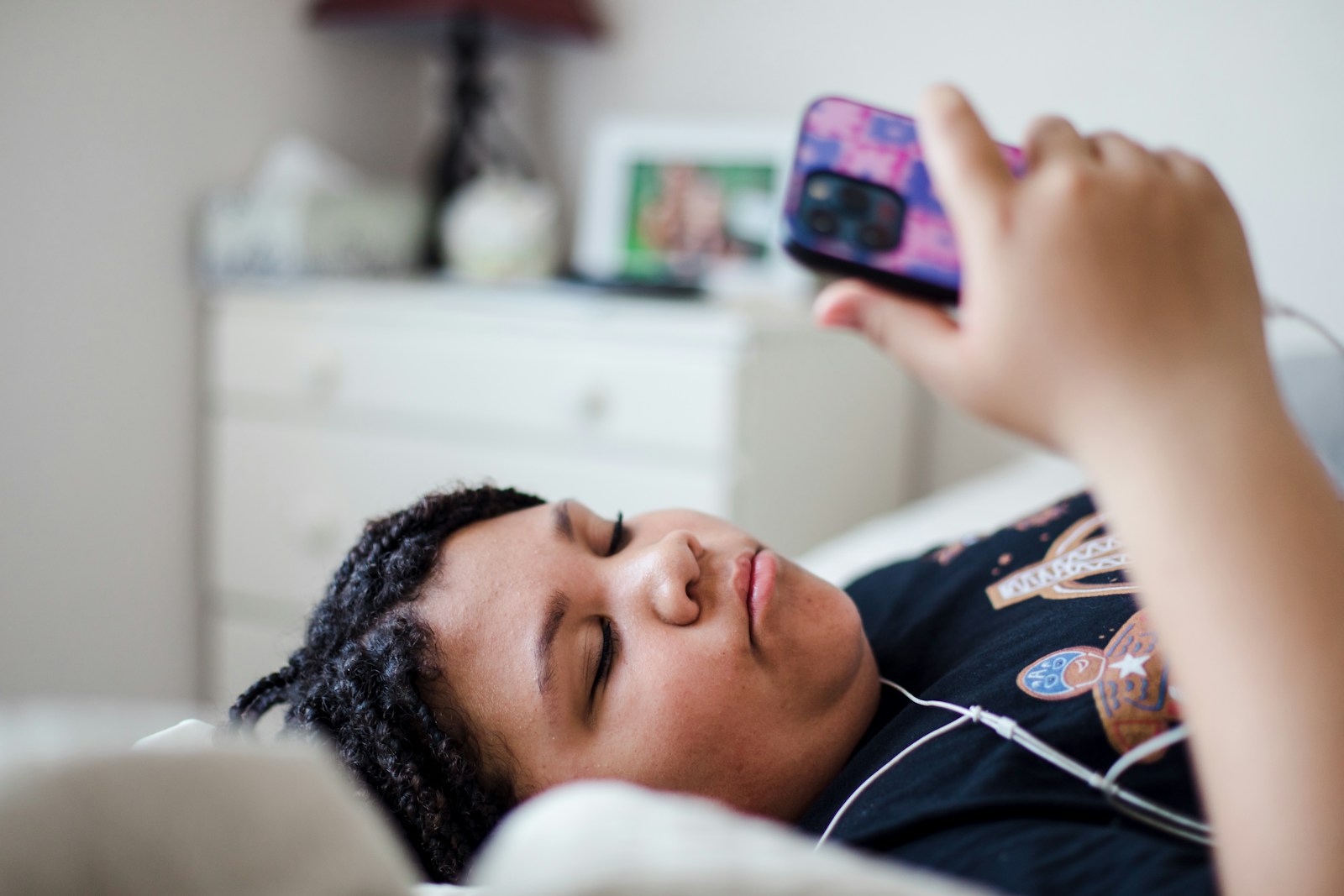
Photo by Sixteen Miles Out / Unsplash
Quinly is an AI tool enabling students to seek help and talk through their worries; based on 30 categories of inquiry, it would then direct them trusted adults and recognised support services in the UK – such as the schools designated safeguarding lead (DSL), Childline, Papyrus or Samaritans.
Categories included sexual abuse, female genital mutilation, honour-based abuse, knife crime, child criminal exploitation, homelessness, harm from deepfake images and video, and teen pregnancy. (Since the pilot, the tool has been expanded to recognise 37 categories.)
The architecture behind Quinly is deliberately minimal: no date is stored, no user is identified, no conversations are stored. The team behind Quinly are also keen to stress that it is not a chatbot – it does not simulate friendship or encourage prolonged use.
It was developed in recognition of urgent need. For example, the Centre of Expertise on Child Sexual Abuse estimates that each year some 500,000 children in England and Wales are thought to experience some form of sexual abuse, but that only one in 30 children inform their teachers. The NSPCC reports that children wait an average of seven years to report abuse.
Meanwhile, CAMHS waiting lists exceed 385,000 children and services such as Childline struggle to answer every call they receive. In this gap, children and young people are turning to AI applications for help. Earlier this month, the House reported that almost a fifth of secondary school teachers reported that their students use AI chatbots to support their mental health. Many feel more comfortable speaking to AI about such matters than a real person.
Data from the Quinly pilot suggests high demand for support outside school hours, with spikes on exam results days, and at the start of new terms.
But the pilot also found that students continued to use the tool voluntarily beyond the initial pilot phase which ended in January this year, with 1,199 conversations recorded between then and April, and average conversation times increasing.
Ruth Sparkes, Founder of Quinly, says: ‘The problem is almost never the absence of rules or policies. It is the absence of a safe moment for a child to speak. Our data shows that moment is, overwhelmingly, after the school gate has closed and the kitchen light has gone out. Almost one in four of the children using Quinly are reaching out between 10pm and 6am.
‘They aren’t waiting for a PSHE lesson, or for a CAMHS appointment – CAMHS already has over 350,000 children waiting for a first contact.
‘Any policy on AI chatbots for children needs to start from when and how children actually disclose, not from when adults wish they would. Without that, well-intended restrictions risk closing the only door open at 3am. We all know that AI can’t replace a teacher, a DSL or a trusted adult, it can’t, and we should not try.’
In related news:
Leave a Reply