















Damning report by campaign group Action on Salt & Sugar warns of health risk from ‘hidden’ salt, fat and calories.
Who doesn’t love a sandwich? Each year in the UK, we eat some 11.5bn sandwiches, many bought from leading supermarkets and high-street chains. Yet while some companies’ sandwiches offer healthy options, others contain surprisingly high levels of salt.
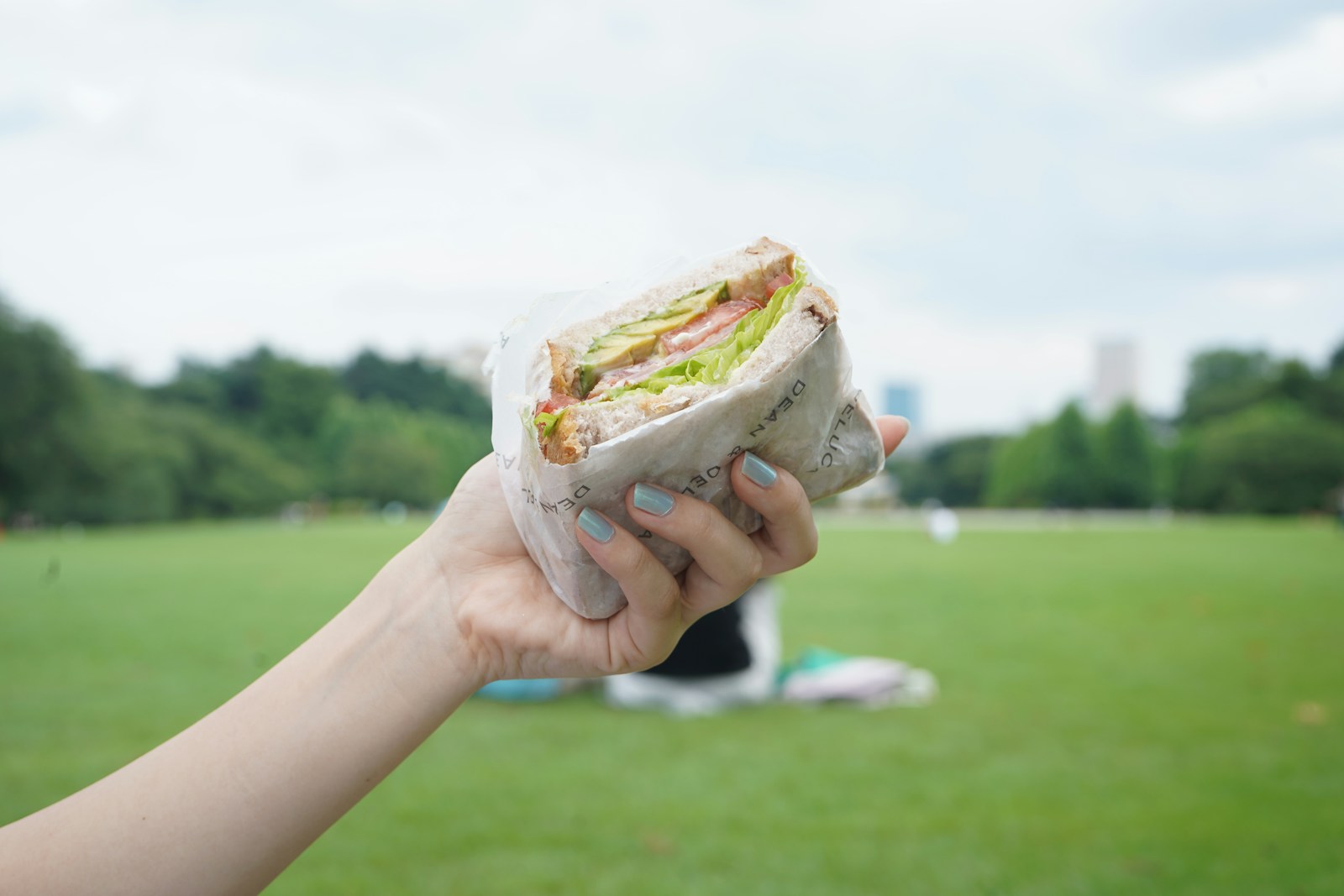
Photo by Yosuke Ota / Unsplash
Researchers at Action on Salt & Sugar – based in Wolfson Institute of Public Health at Queen Mary University of London – analysed 546 different sandwiches sold by major outlets, and found 44% of them would receive a red warning for high levels of salt warning under guidelines for front‑of‑pack labelling.
The worst offender, says the report, is Gail’s smoked chicken Caesar club, containing 6.88g of salt, more than 1,000 calories and 90% of an adult’s recommend daily saturated fat intake.
Some 25% of sandwiches were classified as ‘less healthy’ options, meaning they would face restrictions in how they were advertised, including through in-store promotions.
While some companies produce healthier options, there are sizeable differences in levels of salt, fat and calories in similar products and fillings from different brands. For example, a chicken sandwich from Pret A Manager was found to contain 2.22g of salt, while a similar product from Greggs contained just 1.1g. That disparity, of course, makes it harder for customers to know which are the healthier choices.
Businesses were meant to have met government-imposed targets to reduce levels of salt two years ago, but 12% of the sandwiches analysed failed to meet the standard. What’s more, 10% failed to meet calorie-reduction targets.
This is especially concerning because 40% of UK adults consume more salt than is recommended; according to Action on Salt & Sugar, that’s because salt levels are ‘hidden’ in many everyday foods. Consuming too much salt raises blood pressure, which is in turn a leading cause of conditions including heart disease, kidney disease and stroke.
In addition, the researchers found that just 6% of sandwiches were solely plant-based, with considerable reliance on meat, including processed meat. ‘The industry’s large and continued reliance on industrial livestock production,’ says Action on Salt & Sugar, ‘is also a leading contributor to greenhouse gas emissions, biodiversity loss and environmental degradation.’
In light of all this, Action on Salt & Sugar is urging the government to publish a review of progress against salt reduction targets, which the campaign group says is long overdue. It always wants to see the salt reduction once again a core public health priority within the Healthy Food Standard, and the introduction of stronger, mandatory limits backed by accountability measures, and improved labelling for sandwiches.
- Read the full Action on Salt & Sugar report, Salt Out Our Sandwiches!
Sonia Pombo, Head of Research and Impact at Action on Salt & Sugar, based at Queen Mary University of London says: ‘Most people choose sandwiches for lunch for their simplicity, convenience and affordability. But what they’re eating can be a full day’s worth of salt hidden between two slices of bread.
‘More than 20 years after the first set of salt reduction targets were introduced, it’s frankly unacceptable that some companies continue to sell sandwiches that exceed an adult’s daily limit in one go. Voluntary action has been allowed to drift for too long, and the result is a food environment that continues to put public health at risk. The Government must now step in with tough, mandatory measures, because leaving this to industry goodwill has clearly failed.’
Dr Pauline Swift, Consultant Nephrologist and Chair of Action on Salt & Sugar adds: ‘Salt reduction is one of the quickest, cheapest and most effective ways to improve public health, yet progress has stalled. Too much salt drives up blood pressure, one of the biggest causes of preventable strokes, heart disease and kidney disease. People should not be exposed to a hidden health risk every time they buy lunch. Ministers need to stop relying on voluntary promises and start taking prevention more seriously.’
Dell Stanford, Senior Dietitian at the British Heart Foundation, says: ‘Most of the salt we eat is already in the food we buy, so we often end up eating more than we realise. This is a problem because too much salt can raise your blood pressure, which puts you at higher risk of a heart attack or stroke. We need Government to step in and incentivise manufacturers to take out excessive amounts of salt in our food.
‘Meanwhile, this analysis shouldn’t put you off from enjoying a shop-bought sandwich occasionally, but there are ways to make your lunchtime staple healthier. Check the label and look for a sandwich with less salt and saturated fat, and ideally with lean protein and more fibre.’
In related news:
Game of two halves: Newcastle supports Mental Health Awareness Week
Leave a Reply