














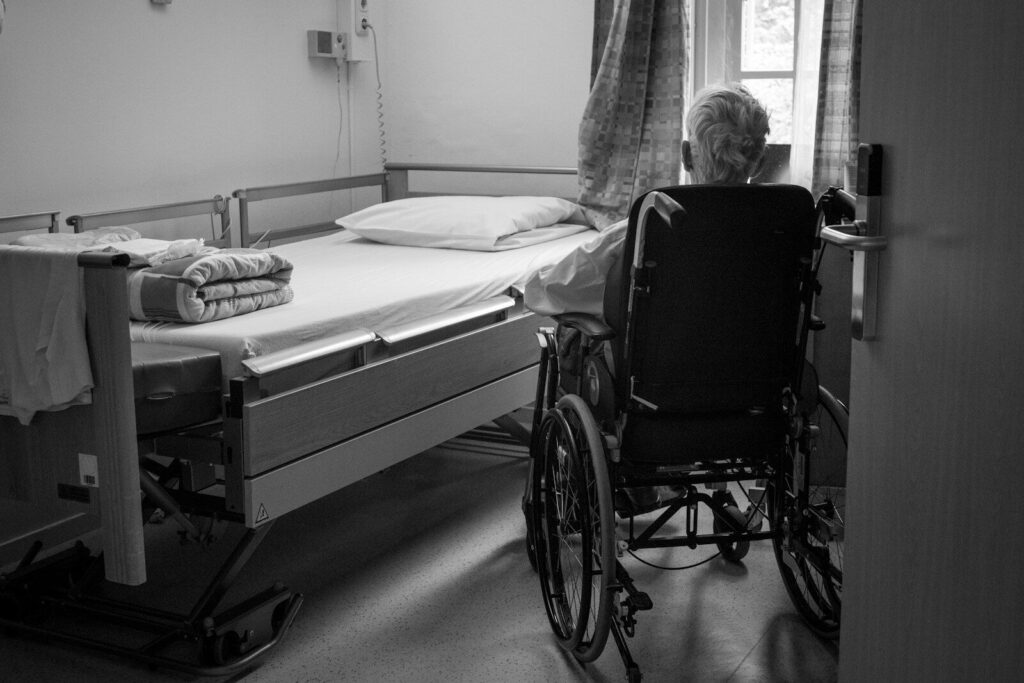

Police remain the first responders to mental health crises, despite reforms aimed at shifting responsibility away from them.
New research looked at two police forces in England and Wales, examining how officers respond to people in mental health distress. It comes as rising demand places growing pressure on police services.
While officers have developed skills in de-escalation and risk assessment, the study found clearer coordination between police, ambulance services and mental health teams is urgently needed.
In 2023, the framework Right Care, Right Person (RCRP) was introduced. It states police should not attend calls where there is no immediate threat to life or crime, passing responsibility to mental health teams.
Despite this policy, the study found police remain heavily involved, particularly when there is a perceived risk of harm.
The research included a review of 63 academic papers, 120 hours of ride-alongs with officers and interviews with 72 professionals and five people with lived experience.
Officers reported regularly coming across people in crisis without mental health specialists present. Many said they lacked consistent access to clinical advice and struggled to tell whether behaviour was caused by mental illness, substance use or social pressures such as debt or homelessness.
A major theme was uncertainty over which agency should take the lead. Police, ambulance crews and mental health teams were found to operate under different risk thresholds and pressures, sometimes leading to tension and confusion.
Some participants said RCRP had reduced police attendance at certain incidents, but others reported agencies ‘gaming the system’ to secure police involvement when resources were stretched.
An ambulance worker warned reduced police involvement could increase risk, claiming services are not always ‘privy to the same information that the police have got.’
Social inequalities were also found to influence police contact. Mental health problems have risen, particularly among women, young people and minoritised ethnic groups. Drug use, poverty and homelessness were linked to both mental health challenges and police involvement.
The study notes more research is needed and concluded police will never fully step back from mental health crises, but clearer protocols and more investment are needed to make responses safer.
The study can be accessed in full here.
Image: Scott Rodgerson/UnSplash
In related news:
Leave a Reply