

















New UKHSA report reveals 2,544 deaths associated with cold weather between November 2025 and January 2025, across three cold episodes
As the Environment Agency and Met Office warn that cold conditions and wet weather are likely to continue for another month, the UK Health Security Agency (UKHSA) has published its first analysis of cold weather-related deaths, covering last winter, i.e. 2024-25.
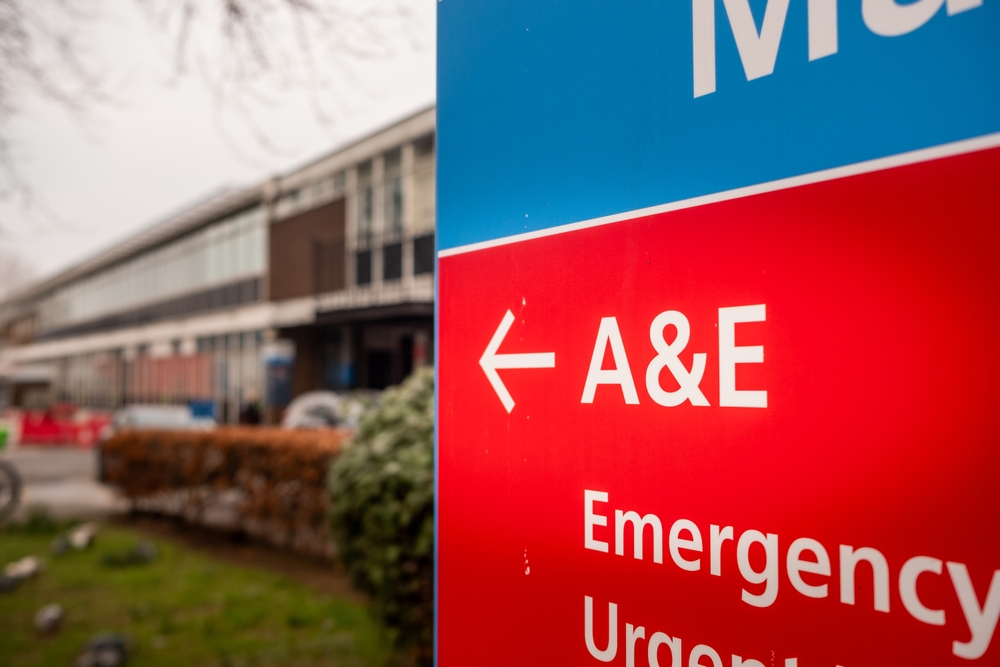
Photo by BEN ELLIOTT / UnsplashThe hope is that by better understanding the health impacts of exposure to cold weather, we’ll be better able to prepare, mitigate effects and save lives.
This first Cold Mortality Monitoring Report reveals that there were 2,544 deaths associated with cold weather across three cold episodes recorded between November 2024 and January 2025. The most severe of these episodes was a six-day period in early January 2025, which accounted for 1,630 deaths.
Shorter cold episodes in November and early January were associated with 421 and 493 deaths respectively.
The report also provides further detail on these figures. Risk rose sharply with age, especially in those aged 85 and over. A notably higher proportion of those who suffered cold-associated deaths were men (1,439) as opposed to women (1,117). Circulatory disease accounted for the highest number of cold-related deaths, with 834 linked to conditions such as heart disease.
In addition, 975 of the cold-related deaths occurred in hospitals, though cold weather also clearly increased the risk of death for those in care homes and those at home.
People living with dementia and those living in poorly insulated homes or experiencing fuel poverty are also especially susceptible to cold.
The report also notes that cold-related deaths don’t necessarily occur during the episodes of cold weather. Indeed, mortality peaks some five days after the start of cold weather and remains elevated for up to nine days. Heart-related deaths tend to increase several days after exposure to cold, while respiratory and infection-related deaths show longer delays.
One issue in compiling this kind of analysis is that death certificates do not record ‘cold’ as a cause. The Office for National Statistics (ONS) conducts long-term analysis to estimate the average impact of cold weather over decades – but what was wanted was better understanding of how specific cold weather episodes affect the population in the short term. To provide this, the UKHSA team compared daily death registrations to Met Office temperature data, using a statistical model that shows how the risk of death increases as temperatures fall, and how these effects can build up over several days.
Cold mortality monitoring will now sit alongside other forms of winter health surveillance, such as monitoring of flu, covid, RSV, norovirus and other seasonal pressures. This will mean that cold weather alerts and preparedness planning will better reflect the real health risks faced by vulnerable groups.
Dr Agostinho Sousa, Head of Extreme Events and Health Protection at UKHSA, says: ‘Cold weather remains a serious and preventable risk to public health. This report provides important new evidence on how cold affects mortality, helping to ensure that Cold Weather Alerts and preparedness measures are grounded in evidence of health impact. The findings suggest that even short periods of cold can lead to significant increases in mortality, often days or weeks after the temperature drops.
‘Understanding who is most affected and how these risks are changing helps us better target winter preparedness, support vulnerable groups, and ensure that cold weather alerts reflect real health impacts, not just weather conditions.’
In related news:
Leave a Reply