

















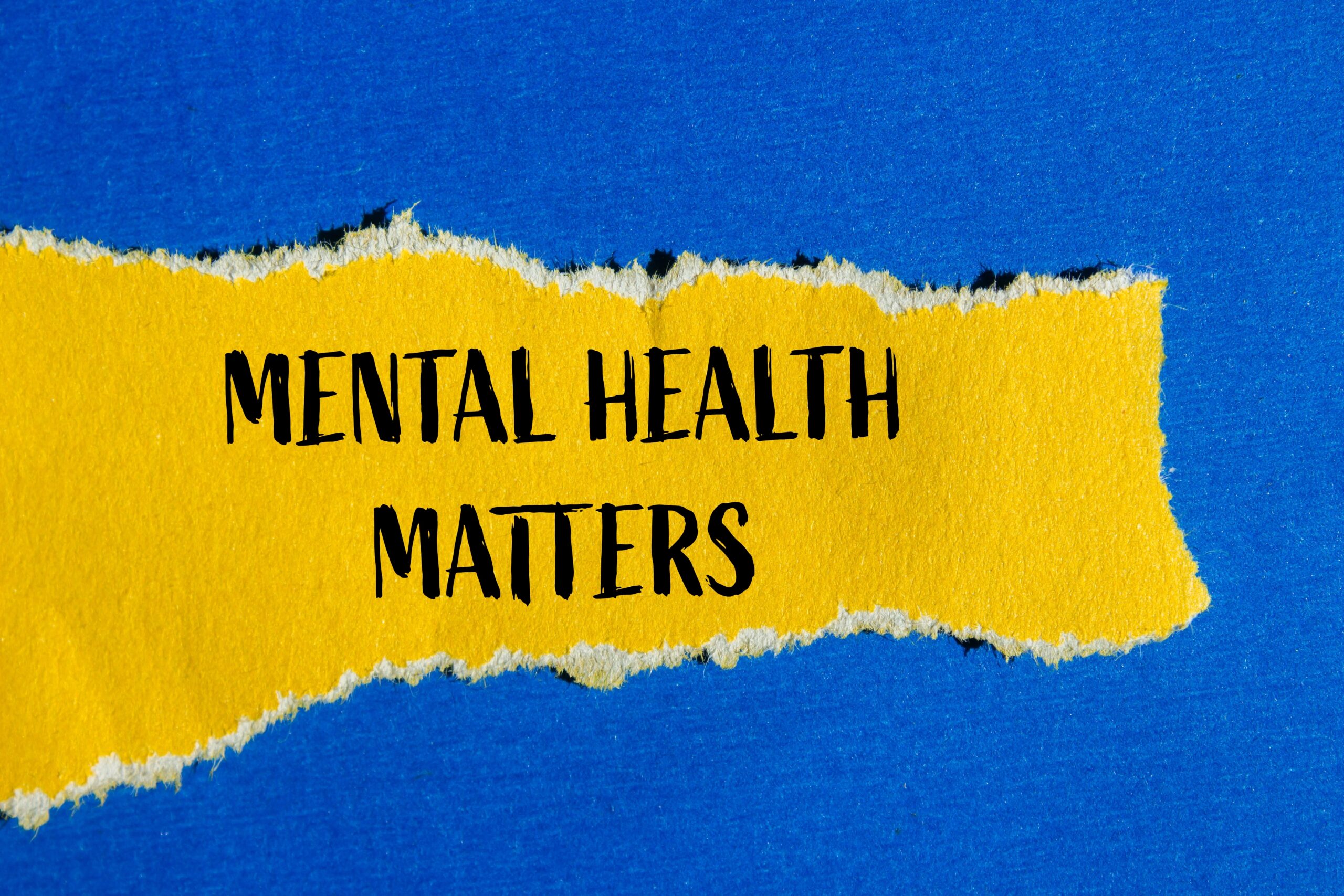
The government said the legislation will give patients greater legal protections over their treatment decisions.
Today (18th December) the new Mental Health Act received Royal Assent. The legislation updates the current act, first introduced in 1983, and sets out when people can be detained and treated during a mental health crisis.
Plans to update the law have been underway since December 2018, after an independent review panel submitted recommendations about how it could be improved. However, it took the government four years to act, with the first draft of the revised Mental Health Bill published in 2022.
Health and Social Care Secretary Wes Streeting, said: ‘For too long, thousands of vulnerable people in mental health crises have been failed by outdated laws that stripped away their dignity and voice.
‘The new Mental Health Act will transform lives by putting patients back in control of their care, tackling the unacceptable disparities that have seen black people detained at disproportionately high rates, and giving NHS staff the tools to deliver care that truly helps people recover.
‘This delivers on our manifesto commitment to finally bring mental health care into the 21st century. After years of neglect, we are rebuilding a mental health system to treat people with the dignity and respect they deserve.’
The new law introduces statutory Care and Treatment plans. These are designed to ensure detained patients are involved in decisions about their care, and families and carers will also be considered in treatment decisions.
Ministers said the Act will help address racial inequalities in the system. According to government figures, black people are 3.5 times more likely to be detained than their white counterparts.
Autistic people and those with learning disabilities who do not have a mental health conditions have also been detained against their will.
Steve Gilbert OBE, who was diagnosed with bipolar disorder after being sanctioned in 2010 and is vice chair of the Mental Health Act Review, said: ‘The Mental Health Act has profoundly impacted my life and that of my family.
‘While detention was deemed necessary, it stripped us of dignity and caused long-term trauma, a reality shared by many.
‘When I accepted the invitation to be Vice Chair of the MHA Review, I aimed to ensure these experiences would guide our efforts to increase access to care, enhance experiences, and improve outcomes for vulnerable individuals, especially those from Black communities.
‘As we celebrate the Royal Assent of the Bill, I thank all those who have worked to translate our report into the new act.’
The Independent Review of the Mental Health Act was led by Sir Simon Wessely, who said he is ‘delighted’ that the updated law has finally received Royal Assent.
Wessely added: ‘As public attitudes towards mental illness have shifted, so must the law. And today it has. So this is a good moment for me to thank the many campaigners, clinicians and brave individuals with lived experience of the Act who made this possible.’
The government is now developing detailed guidance before the new law comes fully into force. Training for relevant workforces is expected to begin in 2026-27, with the first major reforms implemented by mid-2027.
Image: Shutterstock
In related news:
New SEMH provision for children with urgent needs in Dunstable
Leave a Reply