













City Council’s £2.7m ‘Safer Streets and School Journeys’ programme makes targeted interventions using revenue from clean air zone
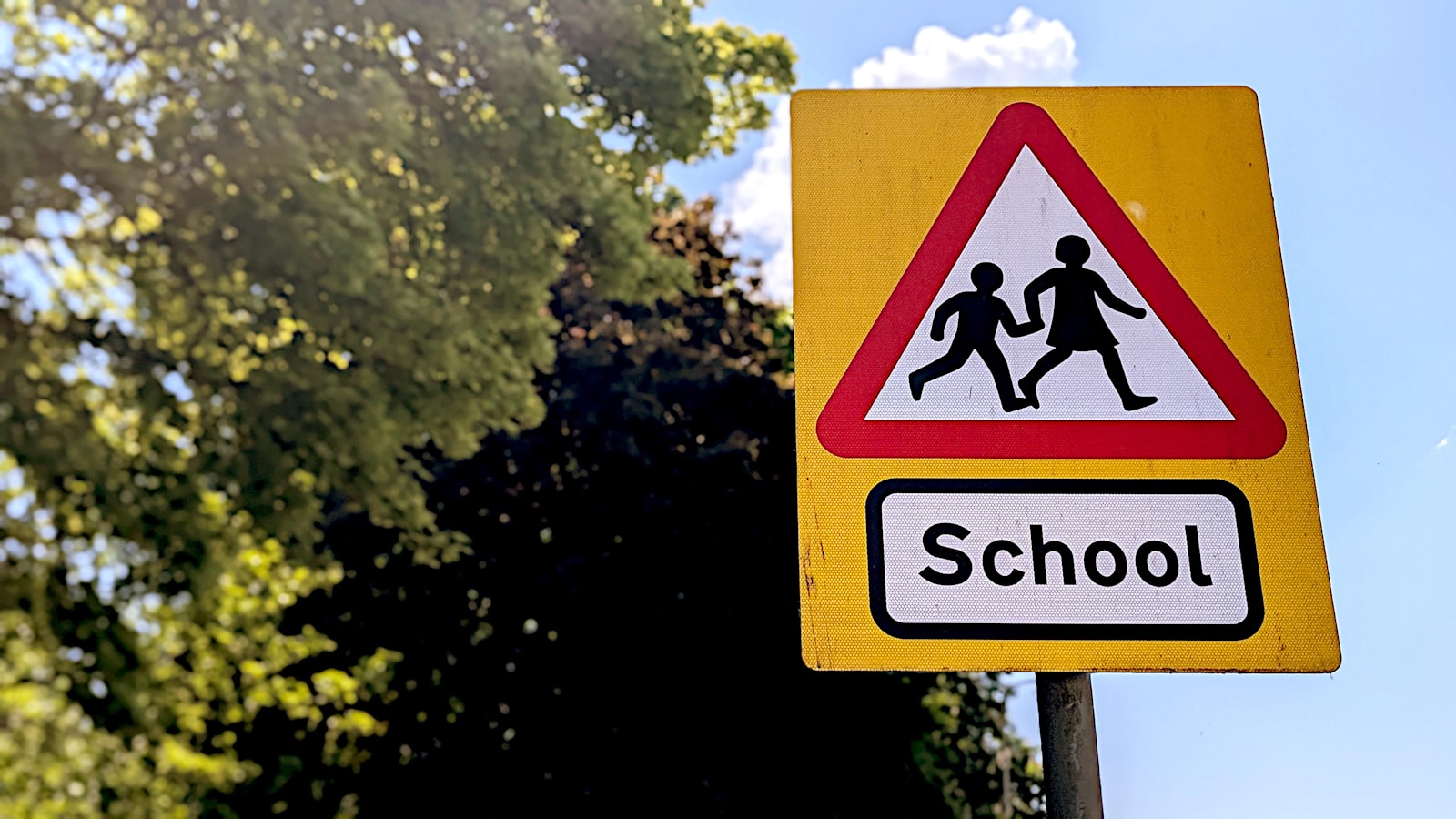
A range of tailored safety measures are being rolled out across Birmingham as part of the City Council’s programme to make journeys to and from school safer. What’s more, in a notable win-win, the scheme is being paid for thank to money raised through the council’s efforts to improve air quality across the region.
Photo by Pixel Shot / UnsplashThe aim is to make small-scale but high-impact interventions, reducing the risk of harm on the road and improving quality of life. The measures include changes to junctions, traffic filters, safer crossings and reallocation of road space, in each case tailored to the specific needs of a given school and surrounding neighbourhood and community concerns.
What’s more, this Safer Streets programme is part of a virtuous circle, in that the costs of £2.7m are being paid for with revenue generated by the city’s clean air zone. Improving air quality generates money; that money is spent on making streets safer for children – what’s not to like?
The programme will be rolled out in stages. An initial budget of £1m has been allocated for the first year of the programme, to support the development and delivery of such measures for at least 20 of the region’s schools. The plan is then to make this an annual initiative, with more schools and measures to follow in due course.
The council is inviting applications from schools across the region that are interested in taking part.
Birmingham introduced its clean air zone (CAZ) in 2001, the third such zone in the UK following London and Bath. The CAZ comprises the central urban area of the city. To drive within the CAZ, non-compliant private cars, taxis and vans must pay £8 per day, buses, coaches and HGVS £50.
Cllr Majid Mahmood, Cabinet Member for Environment and Transport at Birmingham City Council, says: ‘We are asking schools to send expressions of interest in the scheme, detailing what the particular safety concerns are and where they think measures might be needed.
‘Interventions will vary as they will be designed to address concerns that are specific to each school and locality. They could include pavement protection, creating pedestrian areas, gateways on the approach to schools and improvements to the public realm such as seating areas, to name just a few.
‘These small changes can make a huge difference in making communities safer and also provide good value for money.’
In related news:
Middle-age heart damage linked to higher risk of dementia, study finds
Leave a Reply