

















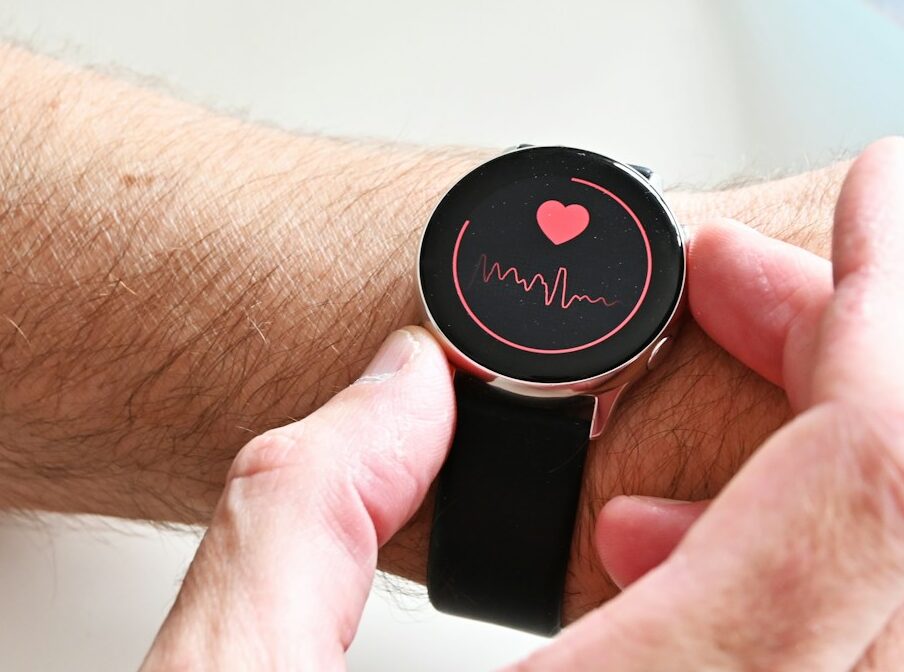
Research by University College London shows the anti-obesity drug semaglutide reduces the risk of heart attacks and other major cardiovascular problems, regardless of how much weight patients lose while taking it.
Published in The Lancet, the study analysed data from 17,604 adults aged 45 and over who were overweight and living with cardiovascular disease. Participants were randomly assigned to receive weekly injections of semaglutide or a placebo. The drug, marketed as Wegovy and Ozempic, mimics a natural hormone called GLP-1, which regulates appetite and blood sugar.
Previous analysis from the same international team showed that semaglutide reduced the risk of heart attacks, strokes, and other major cardiac events by 20%. The latest findings reveal that this benefit was consistent across all body sizes – from participants with a BMI just above the healthy range to those with severe obesity.
Significantly, the benefit to heart health did not depend on how much weight people lost during treatment. Participants who shed little or no weight still saw a reduction in cardiovascular risk. Researchers did, however, find a link between a smaller waistline and heart health improvements, with reductions in waist circumference accounting for roughly a third of the drug’s heart-protective effect over two years.
Lead author Professor John Deanfield (UCL Institute of Cardiovascular Science) said: ‘Abdominal fat is more dangerous for our cardiovascular health than overall weight and therefore it is not surprising to see a link between reduction in waist size and cardiovascular benefit. However, this still leaves two thirds of the heart benefits of semaglutide unexplained.
‘These findings reframe what we think this medication is doing. It is labelled as a weight loss jab but its benefits for the heart are not directly related to the amount of weight lost. In fact it is a drug that directly affects heart disease and other diseases of ageing.’
The team believes semaglutide and similar GLP-1 drugs may improve cardiovascular health through several mechanisms, including better blood vessel function, reduced inflammation, lower cholesterol and improved blood pressure control.
Prof Deanfield added: ‘This work has implications for how semaglutide is used in clinical practice. You don’t have to lose a lot of weight and you don’t need a high BMI to gain cardiovascular benefit. If your aim is to reduce cardiovascular disease, restricting its use to a limited time only and for those with the highest BMIs doesn’t make sense.
‘At the same time, the benefits need to be weighed against potential side effects. Investigations of side effects become especially important given the broad range of people this medicine and others like it could help.’
The findings come from the SELECT trial, the largest and longest study of semaglutide’s effects on people without diabetes. Led by an international team including Professor Deanfield, the trial has already influenced treatment guidelines, leading the UK’s medicines regulator to approve Wegovy for use in people with cardiovascular disease.
Photo: Nik/Unsplash
In related news:
First time study ranks antidepressants by their physical side effects
Older adults benefit from walking just 4,000 steps once a week
Leave a Reply