

















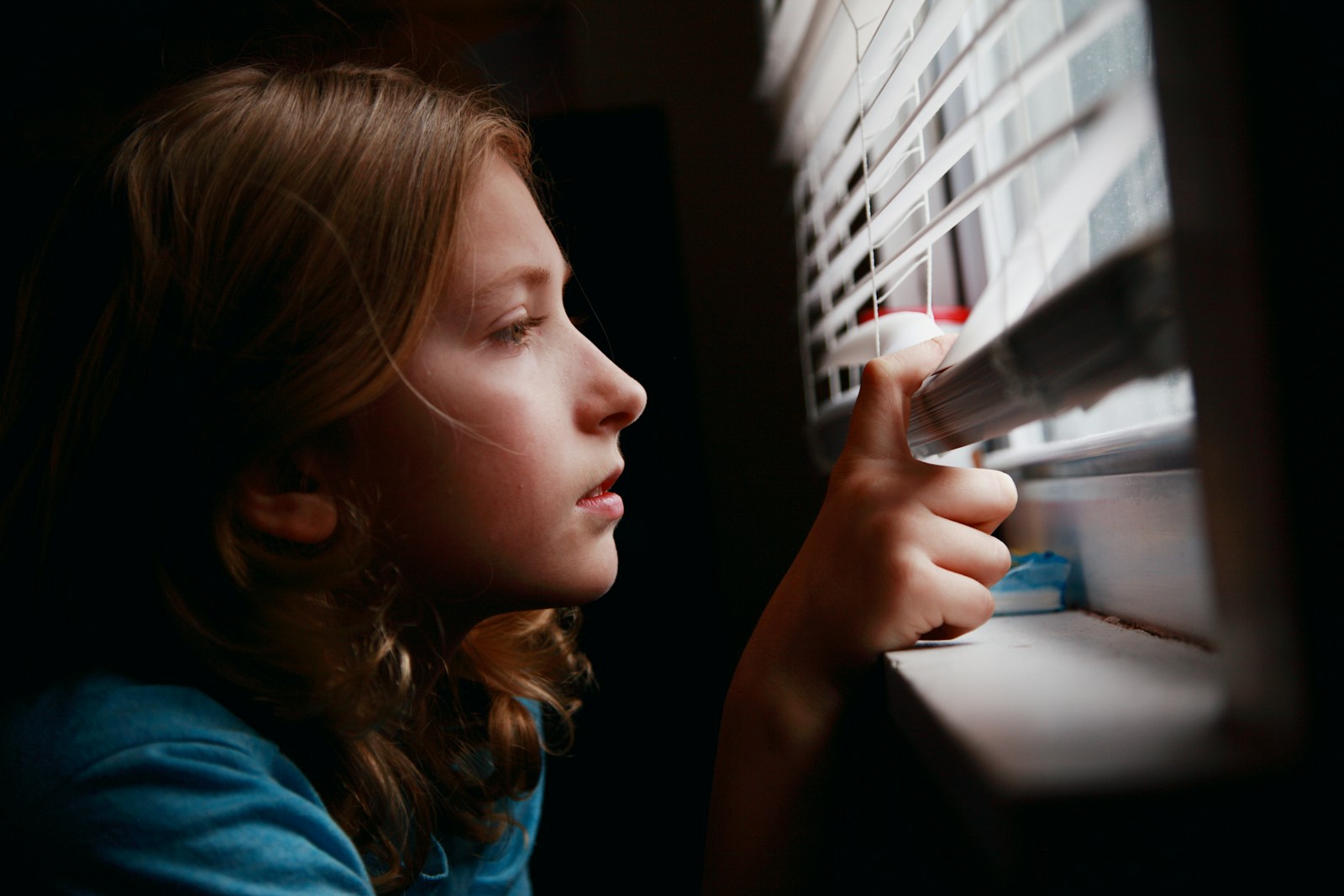
For thousands of children, the six-week holidays are infused with loneliness. Lindsay Johnson, a Childline volunteer, offers advice on how we can help.
I have the immense privilege of supporting children and young people through my role as a Childline volunteer counsellor. Alongside a whole range of worries and topics, we receive numerous contacts from young people experiencing feelings of loneliness every year. The summer months are among the worst and lead to a significantly higher number of calls during the period.
To give context, Childline delivered over 4,500 counselling sessions to children and young people on loneliness from April 2024 to March 2025, averaging 380 sessions per month. What’s more, in July and August, there were more sessions provided, with a total of 852 sessions delivered over the two months.
Loneliness in young people
Young people are telling Childline – a service that was originally established by the NSPCC – they’re concerned about a lack of contact with friends over the summer, feel excluded from summer social activities, and worry about transitioning to a new school or year group.
A lot of these worries stem from social media. While young people use it to stay in touch with their friends over the holidays, it reduces face-to-face interactions they get at school. When going online, children might also be seeing their peers taking part in social activities without them, reinforcing feelings of isolation.
Without the usual school support system during the summer holidays, it is crucial that they can receive effective support and intervention from adults, including social care professionals.
In my eight years as a Childline volunteer counsellor, I’ve received countless contacts from children and young people experiencing feelings of loneliness, and what’s struck me is how every young person’s situation is unique. Some have told me that they are confined to their homes and not allowed to go out, while others find it difficult to adjust after being away from their everyday routines.
What I find particularly tricky is that loneliness can be a symptom of a bigger issue, such as a mental health problem, and the bigger picture might not always be immediately visible. This is why it is important to detect early.
Supporting a young person who is feeling lonely
Many young people who reach out to Childline feel they lack an adult or confidant with who they can open up or share their thoughts and concerns with. So, if you work with, or simply know a young person who is struggling with loneliness, try to gently start a conversation about how they feel. It’s important to encourage them to express their feelings and to listen attentively to what they have to say, without judgement.
When I talk to young people, it helps to validate their emotions. I can only imagine how difficult it must be for them to open up, so it’s essential to give them time to express themselves and show understanding for what they are experiencing. I also think it’s important to reassure children that loneliness can be a temporary feeling and that you’re here to support them.
You can help them practice social interactions by engaging in role-playing activities or encouraging them to join groups or clubs that match their interests and passions. Taking proactive steps to address social challenges can significantly boost the child’s motivation and positivity.
Additionally, it’s vital to help build a young person’s confidence by reminding them of the good relationships in their lives, as well as their strengths and achievements. This can empower them to feel better about themselves and inspire them to make worthwhile changes.
NSPCC’s support
Another reason the school holidays can be difficult is because school acts as a safe haven. For example, research shows children in care often view school as a place where they can experience a sense of normalcy and belonging.
Meanwhile, by being at home for a longer period, children could also be exposed to certain forms of harm, including domestic abuse. In 2024/25, the NSPCC Helpline received 7,825 contacts from adults concerned about children experiencing domestic abuse, marking a record number of contacts. The busiest month for this issue was September 2024, which could be as result of concerns from neighbours, professionals or family members about a young person’s wellbeing over the summer holidays.
To try and support vulnerable children, the NSPCC offers a number of recommendations. Social care professionals could consider referring children to ‘Building Connections‘ – an online befriending service that’s available to young people aged between nine and 19. The service matches people with a trained ‘befriender’ for 11 sessions and they help children build their confidence and manage feelings of isolation and loneliness.
Similarly, the NSPCC also provides guidance on its learning pages about identifying signs of domestic abuse and responding to cases, as well as advice on how to work directly with victims and survivors of domestic abuse. Understandably, it takes huge guts for children to speak up about such serious issues, so it’s important professionals/neighbours/friends can spot any warning signs.
Childline is available for support 24/7. Any help can be accessed via their website or through phoning them on 0800 1111. In addition, if you, your colleagues or any adult that you know, are worried about a child’s safety, the NSPCC Helpline is also available at 0808 800 5000 or email help@nspcc.org.uk.
Photo by Alexander Grey via UnSplash
In related news:
Leave a Reply