











A new, unique report examines how health and care services can be more accessible to underrepresented members of society.
The report, which is titled ‘Designing the future of care with seldom-listened-to-people’, was published by experts from Heriot-Watt University in Edinburgh and is made up of 10 research projects that were conducted throughout the UK.
Image: Mary Stewart and Bryony Nisbet from Heriot-Watt University.Inspiration behind launching the project was to give individuals, who too often don’t get the chance to speak, the ability to comment about how health and care could be more inclusive.
‘The people in our study are from communities which aren’t often listened to or included in discussions about the design of health and care services,’ Professor Mary Stewart, lead researcher of the study, said. ‘And yet these communities can experience profound health and care inequalities that can impact on their physical and mental health, quality of life and the ability to live well – not only for the individual – but also their families and wider community.’
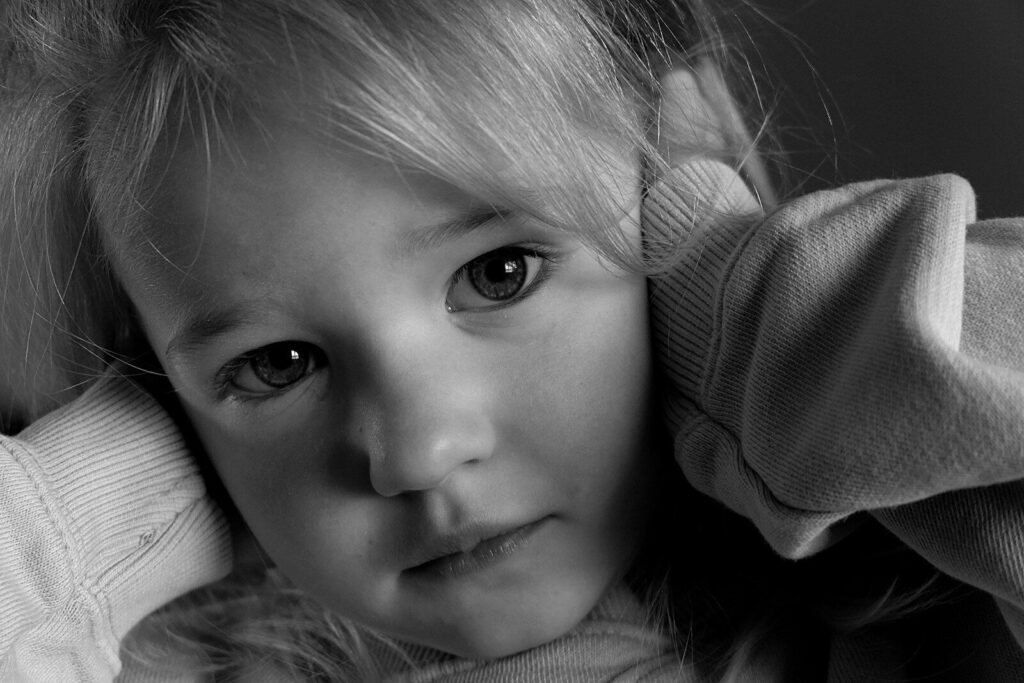
To give context, participants in the research included siblings of children with life-threatening conditions, trans men, non-binary and gender nonconforming people with chronic illnesses, older autistic people with learning disabilities, African-Caribbean communities in London and children living in areas of high deprivation in the South Tees region.
When conducting the study, which was funded by the UKRI Arts and Humanities Research Council, experts ditched traditional research methods like surveys and interviews. Instead, they worked with artists to help capture the views and experiences of participants. The creative methods included film, comics, creative writing, music, poetry, folk stories and podcasts.
And they were extremely successful. For example, Oliver Waite took part in one of the programmes that was set up by the University of Manchester. He produced comic-book style artwork which beautifully captured the importance of being seen by other individuals.
Oliver explained: ‘I have schizoaffective disorder, I’m autistic and I’ve transitioned from female to male. But I’m more than just a list of medical issues. I’m a part-time history student with the Open University, I build models, such as Lego and I play wheelchair rugby league.’
Meanwhile, Dr Myrtle Emmanuel from the University of Greenwich helped set up another scheme that used folk stories and songs to portray the mental health disparities people from African-Caribbean communities experience. The workshop included people from greenwich and Lewisham.
Image: individuals who took part in the Greenwich and Lewisham workshop‘African-Caribbean communities are 40% more likely than white British people to come into contact with mental health services and to be detained under the Mental Health Act,’ Dr Emmanuel said. ‘Our project looked at a different approach, one that builds on the cultural traditions and community support that have always helped people stay mentally well. Through storytelling and folk song workshops, we created a practical toolkit to help promote good mental health in local communities.’
Concluding the study, which can be found in full here, experts said their research aligns with the government’s 10-year plan to bring the NHS closer to home. Their findings recommend introducing more neighbourhood health centres which will house services under one roof and open at evenings and weekends.
What’s more, researchers have written a brief detailing their advice for policymakers and will be shared with MPs across the UK.
Images: Heriot-Watt University.
In related news:
Women involved in children’s care are more likely to experience homicide – study
Distressing social care trends outlined in ADASS Spring Survey
Leave a Reply