
















The health service are using an algorithm to make sure donated organs go to people most in need.
In the UK there are around 6,500 people on the wait list for an organ transplant. However, research from 2022/23 – the year from which the most recent statistics are available – shows the number of people who have pledged to be an organ donor is reducing.
Six years ago there were 1,345 deceased donors available, though in 2022/23 this figure fell to 1,204. In similar vein, from 2029/20 it was recorded that 842 people had signed up to become an organ donor, but this dropped to 750 in 2022/23.
With this in mind, the NHS have started using new algorithms which, for each donated organ, ‘produces a ranked list of patients that are suitable to receive the organ offer…with the highest ranked patient deemed most suitable for that particular organ on offer.’
According to a newly published transparency document that was produced by the NHS, the system means that more people in need of an organ transplant will be catered for at a national level. Previously, organs were given to transplant centres that were closet to the hospitals of organ donors. The document concluded that the latter method ‘was neither equitable or transparent’.
Since the publication of the new report, Professor Derek Manas, medical director for organ and tissue donation and transplantation at NHS Blood and Transplant, has said the new algorithmic system is vital.
‘Due to the shortage of suitable donor organs, some patients sadly die before receiving a transplant. To save more lives, we must make the best use of available organs as effectively and early as possible,’ Professor Manas said. ‘NHS Blood and Transplant, together with the wider transplant community, has developed new policies for specific organs that use evidence-based, human-designed algorithms to support allocation designs.
‘More organs now go to the people who would benefit most, wherever they are in the country, based on the best available evidence and with fairness for people from all backgrounds.’
While the introduction of the algorithms could be life-changing, it has also been noted that ‘clinicians in hospital trusts make the final decision as to whether to accept the offer of an organ for an intended patient.’
The report adds: ‘If clinicians treating the patient feel [this is] not the best match, it will then be offered to the next highest-ranked patient.’
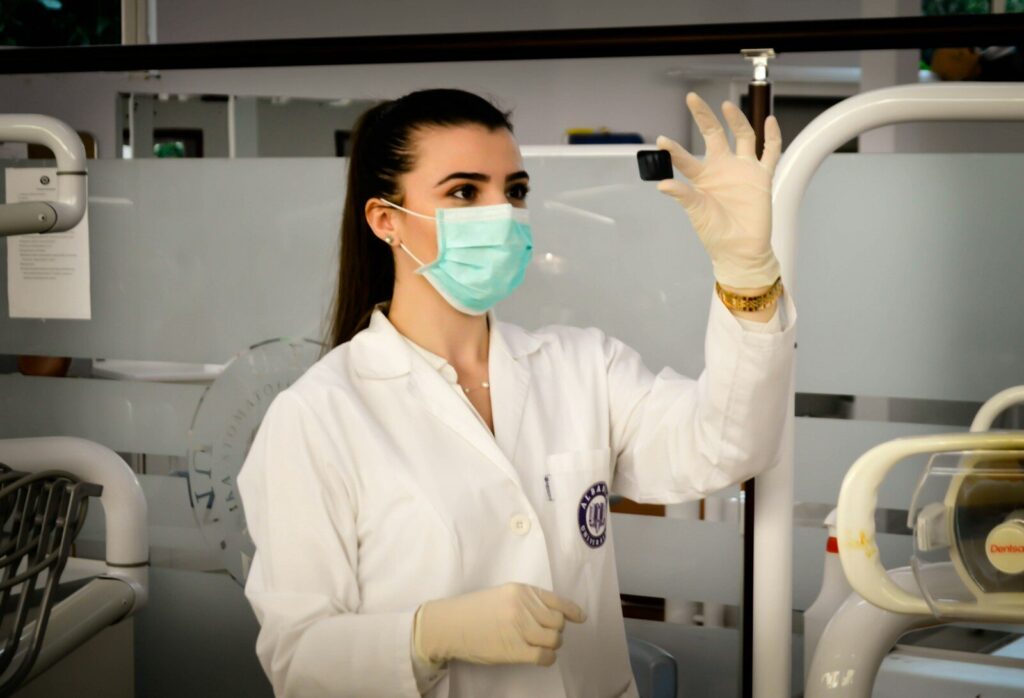
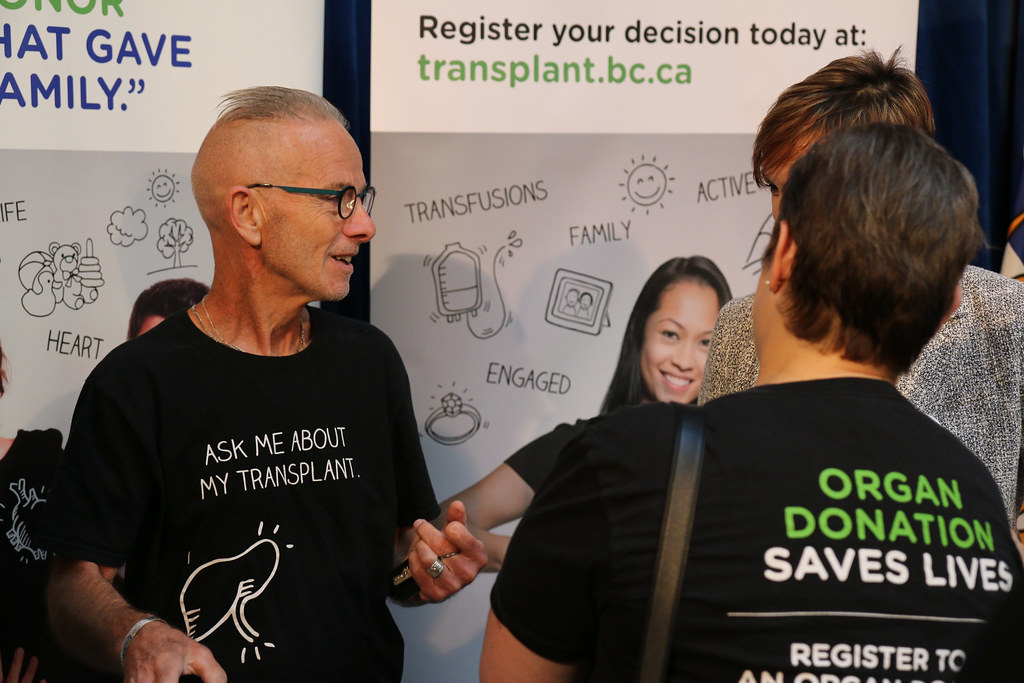
Image via Openverse.
In related news:
Leave a Reply