
















Cross-party committee calls on ministers to formally apologise and provide long-term support for those affected by historical forced adoptions.
The government must provide an unqualified formal apology to people affected by historical forced adoptions in the UK, a cross-party education committee report recommends.
Published today (27th March), the report states ministers should quickly commit to an apology and start working with survivor groups as soon as possible.
What’s more, it is also recommends that the government co-writes the apology with mothers, adult adoptees and lived-experience organisations.
Between 1949 and 1976, an estimated 185,000 babies were snatched from unmarried mothers and placed for adoption in England and Wales. Religious organisations ran most of the mother and baby homes where women gave birth, while charities and local authorities were also involved in funding placements and finding adoptive parents.
Helen Hayes Mp, chair of the education select committee, described hearing from survivors as ‘one of the most moving days I have experienced in parliament’.
‘Historical forced adoption practices coerced mothers and caused unimaginable trauma for multiple generations of women and profound, often devastating impact for their children,’ she said.
‘Our report today us unequivocal – the government must urgently offer an unqualified apology for the state’s role in shaping the forced adoption practices that harmed so many survivors.’
Three years ago the Welsh and Scottish governments formally apologised for forced adoption practices, and the head of the Catholic Church in England and Wales issued an apology in 2016.
Josh MacAlister, the children’s minister, said the UK government is ‘actively considering’ issuing an apology and that it needs to be delivered by a senior member of parliament to reflect the gravity of the injustice.
Countries such as Ireland and Australia have introduced financial compensation schemes after apologising for the coerced removal of children from unmarried mothers.
In 2025, the campaign group Movement for Adoption Apology (MAA) said it was considering legal action over ‘the UK government’s failure to provide any sort of meaningful redress or a formal apology for the abhorrent practices which it oversaw’.
The education committee concluded that although there was no single perpetrator of forced adoptions, government decisions shaped the environment in which unmarried mothers were shamed and coerced into placing their children up for adoption.
It’s recommendations include better access to records, trauma-informed healthcare for survivors and a guarantee that people could have regular consultations with the government.
The Salvation Army and Barnardo’s gave evidence to the committee and were criticised for speaking in a way that ‘fell far short of acknowledging their roles in forced adoptions’, giving the impression of justifying rather than accepting responsibility.
The report said the charities had subsequently written to the committee to ‘clarify their position’ but urged them to avoid ‘hiding behind historical societal norms’. They were among a number of churches and charities that worked with social services and health services at the time to facilitate adoptions.
‘It is hoped that any government apology encourages organisations like these to reflect on their own legacy,’ the report said.
Sally Ells, 59, co-founder of the Adult Adoptee Movement, who gave evidence to the committee, said: ‘We need a meaningful government apology to correct the harmful narrative that has been spun that we were unwanted and that we came from unfit mothers.
‘It’s acknowledging that adoption was forced and that it caused harm, and adult adoptees and mothers deserve an apology and we deserve redress.’
Ells, born and adopted in 1967, said she was left with ‘an immense fear of rejection that never left’. She tracked down her biological family a few years ago and confirmed it was a forced separation.
She added that the harm continues for mothers and adult adoptees, who are more likely to experience serious mental health problems such as post-traumatic stress disorder.
‘There is an enduring harm. It’s not historic, it’s not in the past – it’s still happening now,’ she added.
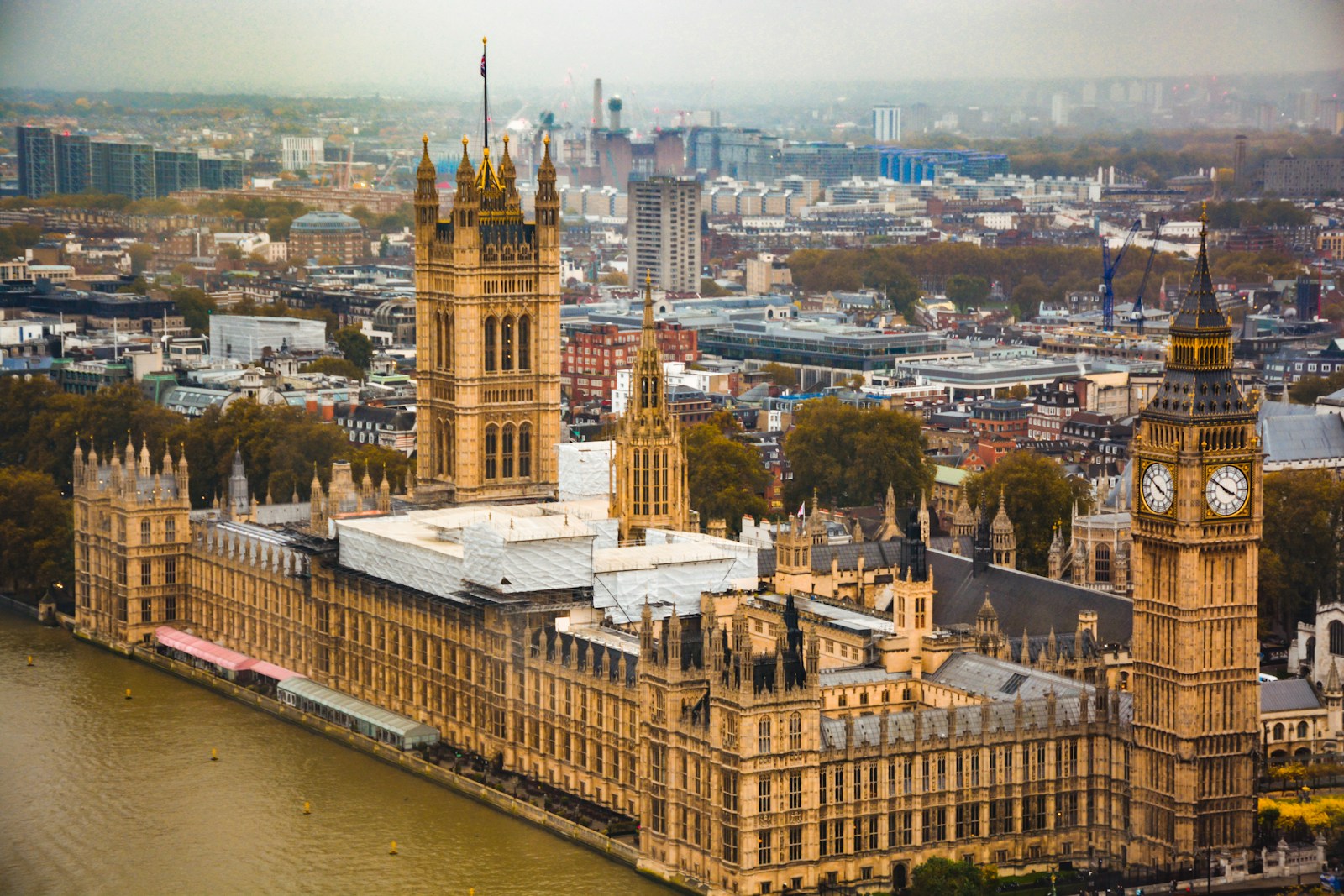
Image: paul silvan/UnSplash
In related news:
Integrated care: why social care is the missing piece of the jigsaw
Leave a Reply