


















First-of-its-kind research shows a worrying picture of the support available to former Ukraine volunteers, warning: ‘Their psychological distress should not be surprising.’
Former soldiers who volunteered to fight in Ukraine are facing serious mental and physical health difficulties while struggling to access appropriate care, a UK study has found.
The research, led by Dr Victoria Williamson from the University of Bath, examined the experiences of 31 UK and US military veterans who travelled to Ukraine following the escalation of the conflict in 2022.
All participants completed psychological assessments, with 21 also providing in-depth interviews.
Soldiers described repeatedly seeking mental health support both during deployment and after returning home, but many said they were turned away or placed on long waiting lists.
In the absence of formal care, participants said they relied on fellow volunteers for emotional support.
Since 2022, nearly 20,000 foreign nationals are reported to have applied to join Ukraine’s armed forces, including an estimated 3,000 Americans. These fighters operate outside established military care systems, meaning their needs may go unrecognised.
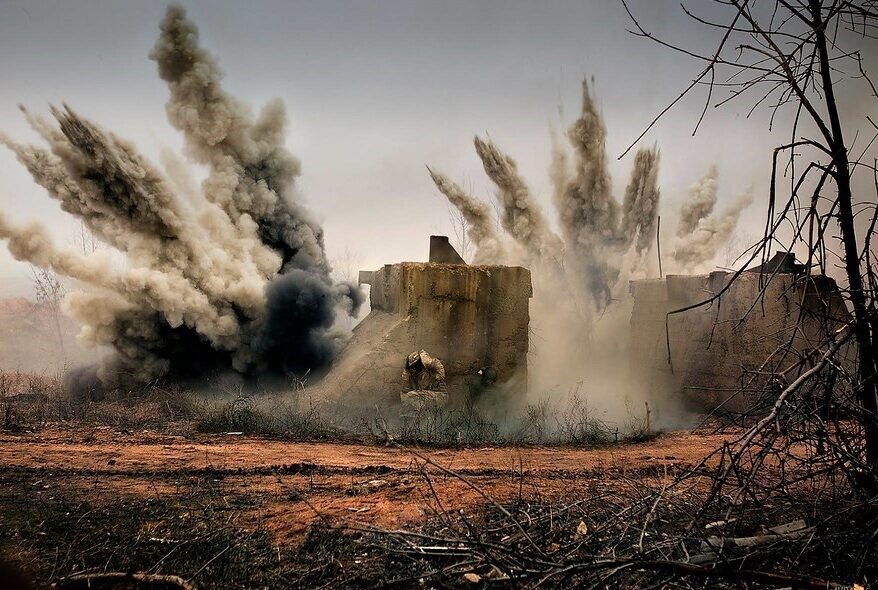
The research, published in the European Journal of Psychotraumatology, highlights exposure to intense combat, including drone attacks, trench fighting and frequent physical injuries.
Many veterans said they received little formal training before being sent to frontline units and described medical care in Ukraine as limited of unavailable. Some reported returning home with untreated physical injuries and ongoing mental health problems.
The study found high levels of probable post-traumatic stress disorder (PTSD), common mental disorders, alcohol misuse and low quality of low among participants.
Dr Williamson said: ‘This is the first study to examine the experiences and health of UK and US veterans who have volunteered to fight in Ukraine. Many have described extremely intense combat, including sustained frontline exposure and persistent drone-related threat, often with limited preparation or support. Their psychological distress should not be surprising.’
‘The nature of combat in Ukraine is fundamentally different from other recent conflicts such as Iraq and Afghanistan,’ Dr Williamson continued. ‘In those wars, Western personnel operated within formal military systems, with clear rules of engagement, structured command chains, and established legal and welfare protections. They received preparation before deployment and support on return.
‘In contrast, many foreign volunteers in Ukraine are effectively self-deployed into a far less predictable environment. Levels of training, leadership, equipment, and medical support can vary considerably.
‘Our study showed significant gaps in understanding of the clinical and welfare support needed by people subjected to these conditions.’
The research was led by academics from the University of Bath, with contributions from Combat Stress, Compass Pathways and King’s College London. It can be read in full here.
Image: Openverse
In related news:
Leave a Reply