















NHS staff more positive than public about use of tech and AI in patient care.
Independent charity the Health Foundation has published the results of an extensive survey of attitudes to tech and AI in health care. There’s a lot of interest in this area, as we saw when we published the free-to-read Social Care Today special report, People First with AI and Tech-Enabled Care.

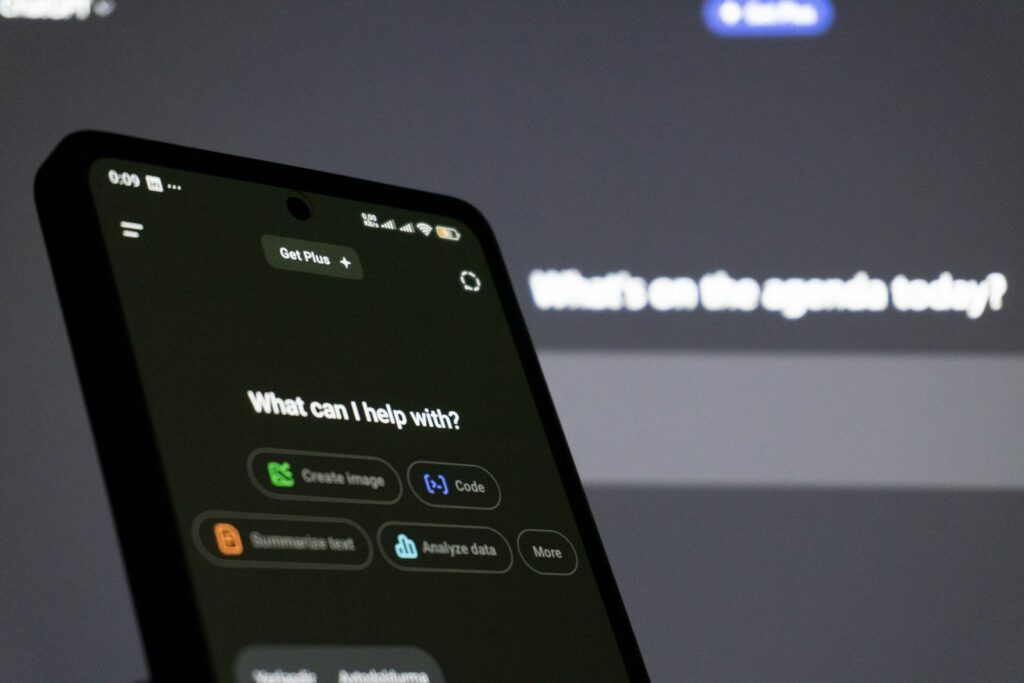
Photo by Vitaly Gariev / Unsplash
The Health Foundation survey was conducted by specialists Censuswide, and consisted of interviews with 8,000 members of the UK public and 2,000 NHS staff, conducted in August and September last year. It’s the third year in a row that the Health Foundation has run this kind of survey, meaning we can compare changing attitudes to tech in relation to the sector.
This year’s key findings are:
- 55% of members of the public surveyed said technology improves care quality; just 13% said it makes it worse – though that is up from 8% in the survey results from 2024.
- 38% of the public said AI will also improve care quality – up from 33% in 2024 but still well below the figure for technology more broadly. Some 19% believe AI will make quality worse.
- 49% of respondents would be happy to use AI-generated advice for non-urgent care but 32% would not – again, suggesting reluctance or caution about this particular kind of technology.
- Attitudes among NHS staff were more positive, with 80% of staff surveyed supporting the use of AI for patient care, compared to 54% of the public respondents.
- There were also consistent differences in perceptions between different groups: for example, women, younger people and those in socioeconomic groups D and E tended to be less positive about the use of tech and AI in health care.
Read the full report, Attitudes to technology and AI in health care – findings from our 2025 survey.
Nell Thornton, Improvement Fellow at the Health Foundation, says: ‘Where trade-offs relate to safety and effectiveness, the public tends to prioritise stronger diligence and safeguards – human checks, high evidence thresholds and strict rules – over potential benefits such as speed and economic opportunities by a margin of around 70% to 30%. Even where AI promises performance and efficiency gains, the public appears to want those gains embedded in systems that retain clear human oversight.
‘Across the scenarios tested, people consistently prioritised strong evidence, clear oversight and meaningful human involvement in decision making ahead of speed or efficiency. Approaches that build trust and enable safe and reliable integration of AI matter because research suggests that when technologies are seen as high risk, people may discount or even reject their potential benefits.
‘AI will only take root in the NHS if it earns our confidence.’
In related news:
‘My health had to come first’: Grandmother opens up for No Smoking Day
Donna Ockenden appointed to lead independent Leeds maternity review
Leave a Reply