













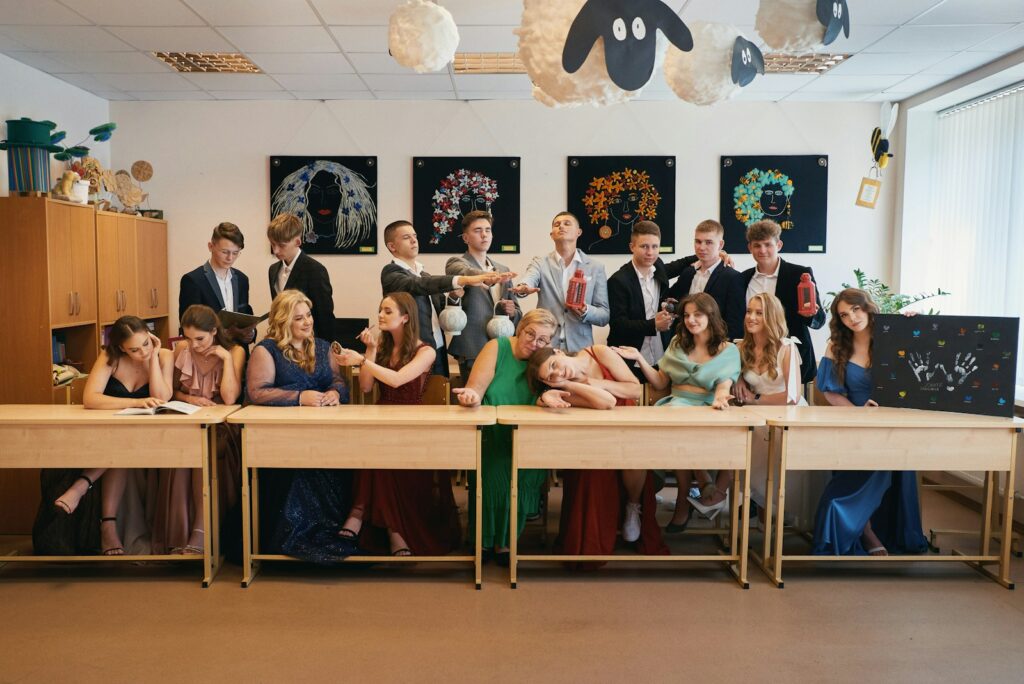


Every year children across the globe are encouraged to dress up as their favourite literary characters. But, in the words of Oscar Wilde: ‘Be yourself; everyone else is already taken.’
Today (5th March) marks World Book Day, an event established in 1995 by UNESCO to celebrate books, reading, publishing and copyright. Each year, it is observed on a date linked to the deaths of notable writers including William Shakespeare and Miguel de Cervantes.
Since the initiative launched, schools in England have encouraged children to dress up as their favourite book characters. However, during a session with MPs, experts warned they fear the costs of costumes are undermining efforts to increase reading for pleasure.
Jonathan Douglas, chief executive of the National Literacy Trust, said schools are becoming more aware of the financial strains preparing a costume can place on disadvantaged families.
‘The whole point of [World Book Day] is that reading for pleasure is a driver of social mobility,’ Douglas said. ‘Children’s reading for pleasure by the age of 15 is more strongly determinative of their ultimate attainment than their socio-economic background. Therefore anything that takes away from it, as not simply a driver of social mobility but actually an anti-poverty strategy, is undermining the power of reading for pleasure.’
Echoing this, the World Book Day charity said: ‘We want to make sure that all children, regardless of household income, can take part in World Book Day and be encouraged to read for pleasure. We suggest lots of ways to make sure World Book Day celebrations are inclusive, no-cost and fun for everyone.’
The session followed a National Literacy Trust report which found the number of young people who enjoy reading was at its lowest level for 20 years.
Alongside financial pressures, some charities have highlighted that World Book Day can be overwhelming for children who rely on structure and predictability to feel secure. One young person supported by Northorpe Hall Child + Family Trust described the event as anxiety-inducing.
‘I try to learn faces by what people wear or how they have their hair,’ they said. ‘Fancy dress confuses my system.’
Rachel Thompson, a mental health practitioner for learning disabilities and autism at Northorpe Hall, advised: ‘Take the pressure off. There is no rule that says a child must dress up to take part or to belong; giving them a choice and autonomy will help make them feel less uncomfortable. Where you can, reduce demands at home, and make sure you build in regulation time before and after school.’
‘As a parent, you are their safe space and first line of defence, you can help make this event fun – but on their own times,’ she added.
Against this backdrop, the charity is encouraging a more inclusive approach to school fundraising. They are calling on schools, businesses and community groups to host a ‘Dress to Express’ day, where participants are encouraged to wear something that reflects who they are – from a favourite colour or sports kit.
The campaign is set to launch during Neurodiversity Celebration Week (16th-20th March), though organisers have stressed it can be held at any time of the year.
Image: Shutterstock
In related news:
Leave a Reply