









New body to replace NHS Education for Scotland (NES) and NHS National Services Scotland (NSS) from April 1.
The Scottish government has announced the creation of a new body to drive transformation and improvement across the health and care system and the wider public sector.

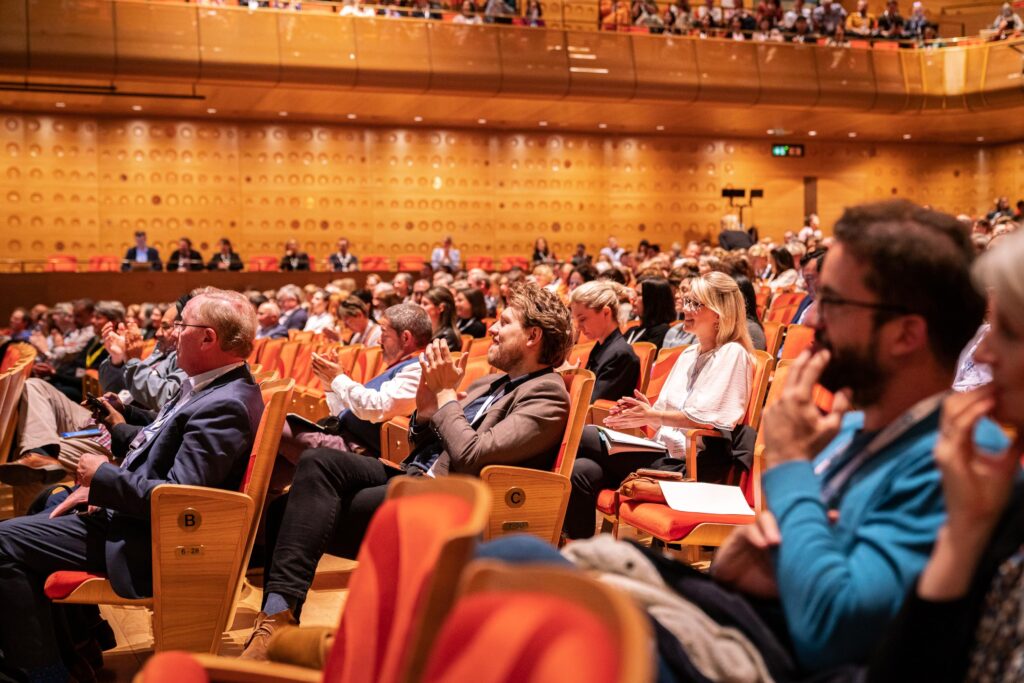
Photo by Stephen Andrews / Unsplash
Public Services Delivery (PSD) Scotland replaces two previous bodies: NHS Education for Scotland (NES) and NHS National Services Scotland (NSS). It will lead on workforce planning and development, service infrastructure and innovation, with a particular focus on digital transformation. PSD Scotland will also accelerate national programmes alongside continued delivery of all existing NES and NSS services.
In law, PSD Scotland will operate through an expansion of the existing legal framework of the Common Services Agency (CSA) for the Scottish Health Service – that is, the legal entity currently branded as NSS. The CSA remains the statutory body under the National Health Service (Scotland) Act 1978.
The board of PSD is comprised as follows: Keith Redpath (chair), Ian Cant and Lynnette Grieve (employee directors), Lisa Blacket and Paul Buchanan, Olga Clayton, Shona Cowan, Jean Ford, Gordon Greenhill, Annie Gunner Logan, Arturo Langa, Beth Lawton, Maria McGill, Karen Reid and George Valiotis (non-executive members).
Professor Karen Reid, current chief executive at NES, has been appointed as chief executive of PSD Scotland.
Neil Gray MSP, Cabinet Secretary for Health and Social Care, says: ‘Establishing PSD Scotland is an important step in our journey towards transforming the health of the nation – supporting faster access and safer, more consistent services wherever people live. By bringing together national education, digital and support functions we will reduce duplication, scale what works, giving frontline teams more time with patients.
‘This approach flows directly from our Service Renewal Framework and Population Health Framework, putting prevention, community based support and digital innovation at the heart of how care is delivered.’
Karen Reid, incoming Chief Executive of PSD Scotland, adds: ‘It is a huge privilege to be appointed Chief Executive of Public Services Delivery Scotland as we embark on this transformative journey. By uniting expertise from NES and NSS, Public Services Delivery Scotland will empower our staff to deliver outstanding care and support, ensuring that services are both innovative and responsive to the needs of communities throughout Scotland.
‘I’m truly excited to work collaboratively with our skilled and committed colleagues, both within the new organisation and beyond, to provide improved, high-quality health and social care services that are efficient, fair, and prepared for the future. Together, we will create a more sustainable, joined-up system that puts our people and communities at the heart of everything we do.’
Keith Redpath, Chair of PSD Scotland, says: ‘PSD Scotland brings together the strengths of NSS and NES in a way that allows us to work efficiently and consistently across Scotland’s health and care system. As we move into this next phase, our commitment is to maintain continuity of essential services, support our staff through the transition and build a strong foundation for the years ahead.
‘The new board for PSD Scotland brings together a wide range of skills, leadership, experience and perspectives that will be essential as the organisation is established. Their insight and stewardship will ensure strong governance, continuity and direction as PSD Scotland begins its work on April 1, 2026.’
In related news:
Leave a Reply