












The government will limit Education, Health and Care Plans to the most complex cases and introduce school-managed support for others.
Today (23rd February), the government unveiled plans to overhaul special educational needs and disabilities (SEND) provision in England.
Under the proposals, Education, Health and Care Plans (EHCPs) will be limited to children with the most complex needs, including lifelong disabilities or significant physical impairments.
Instead, many pupils will receive new Individual Support Plans (ISPs), agreed and managed by schools. These could include help from educational psychologists, therapists or access to specialist units within mainstream schools.
Government forecasts suggest the number of EHCPs will fall from a projected peak of nearly 8% in 2029-30 to under 5% by 2034-35. This represents a drop of around 270,000 children if pupil numbers remain steady.
ECHP numbers have soared since the system was introduced in 2014, increasing from 240,000 to 640,000. The Office for Budget Responsibility estimates local authority SEND deficits could reach £6bn within two years.
Against this backdrop, education secretary Bridget Phillipson said the changes were necessary to fix a ‘broken’ system.
‘The SEND system designed 10 years ago for a small number of children is now broken,’ Phillipson said. ‘Parents end up fighting tooth and nail for entitlements on paper that don’t see them getting additional support. Children’s educations and lives have suffered.
‘Today’s plans will take children with SEND from sidelined and excluded to seen, heard and included. Every child will get the brilliant support they deserve, when they need it, as routine and without a fight.’
The government pledged an additional £4bn to fund the new system, which will begin to be spent immediately. Officials say the funding could help reduce the deficit over the next few years, but the Treasury may still have to find billions more to bail out local authorities by 2028-29.
Prime minister Sir Keir Starmer said the current system ‘does not work’ and insisted the reforms will provide ‘a better education for every child.’
Children in Year 2 and below with EHCPs will be reassessed under the new system when moving from primary to secondary school. Some could lose support if they don’t meet the revised criteria.
ISPs will be administered by schools rather than councils and parents who are unhappy with them will be asked to appeal directly to the school. They can then escalate to the local authority or the Department of Education.
Unlike EHCPs, these new plans will not offer recourse to a tribunal.
The government will consult on the proposals before introducing legislation in the next parliamentary session, starting in May. The first assessments under the new system are expected in 2029.
Labour insiders have claimed the plans could spark a rebellion among backbench MPs, although Ms Phillipson said she consulted them before publishing the white paper.
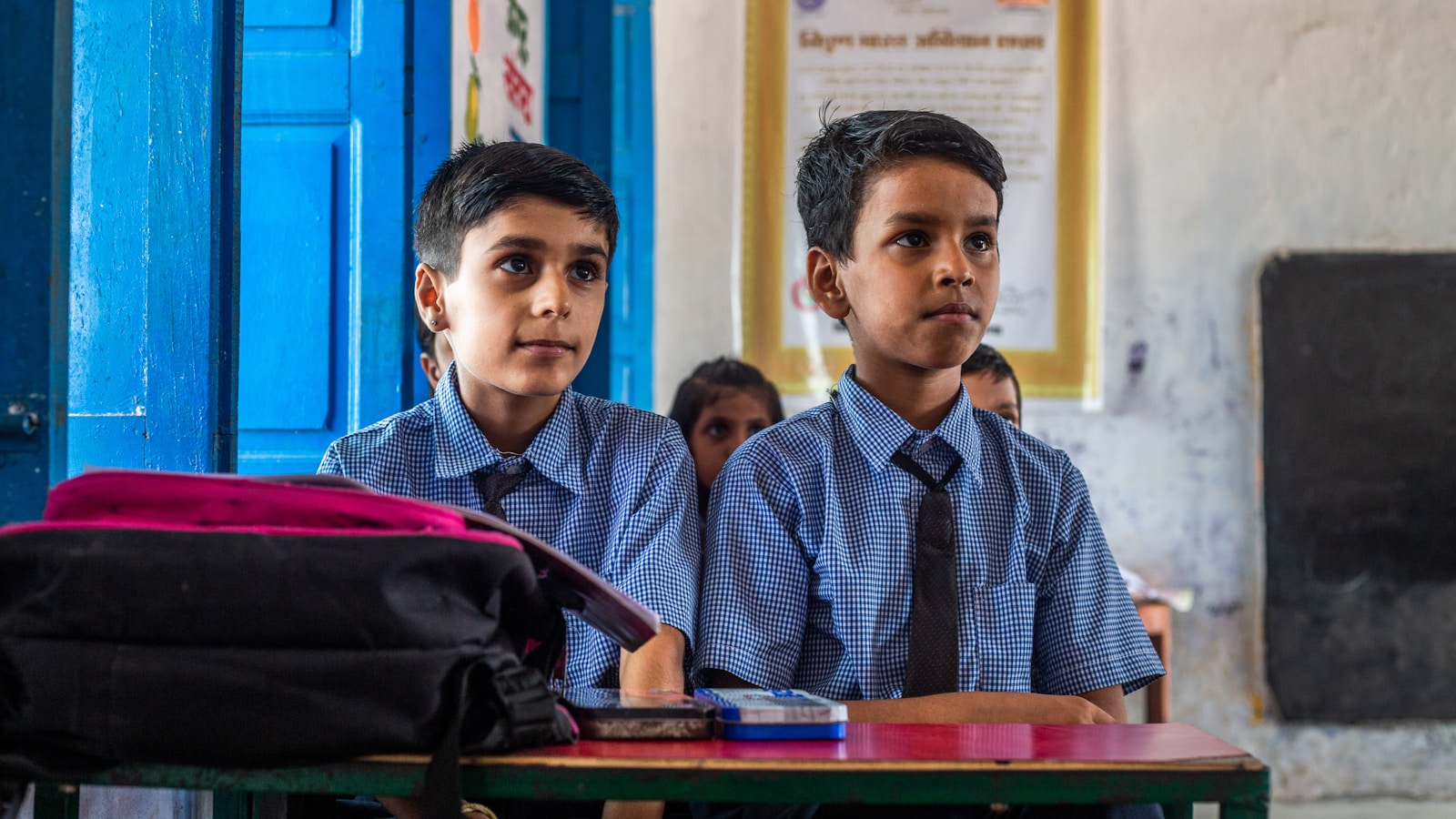
Image: Swastik Arora/UnSplash
In related news:
Leave a Reply