
















Prisons and health services must cooperate more to reduce drug-related harm, the National Audit Office (NAO) warns.
The NAO published a new report on 4th February, The costs of tackling drug harms in prisons. It looks at how public money is spent on drug use and how effectively His Majesty’s Prison and Probation Service (HMPPS) and health services are battling the problem.
Spoiler alert, the findings are incredibly bleak.
The government spent around £40m in 2025-26 to boost security in high-risk prisons. Window grilles and netting were installed to stop drones bringing in drugs, but sightings have still jumped more than 750% since 2019.
HMPPS has been slow to fix the problems. Governors reported broken x-ray scanners left unrepaired for months and between 2019-20 and 2021-22, HMPPS spent just 75% of its £100m security budget.
The service was also allocated £114m for prison drug initiatives between 2022-23 and 2024-25, but only £67m was spent.
NHS England (NHSE) faced similar challenges. It spent £226.4m on mental health and substance misuse services in 2024-25, down 5% in real terms since 2020-21.
Almost 160,000 substance misuse appointments were also recorded as ‘did not attends’ in 2024-25, accounting for 35% of all appointments.
The NAO highlighted NHSE doesn’t use regional health needs assessments to guide funding, despite wide differences between regions – in 2024-25, London spent 72% more on substance misuse treatment per prisoner than the East of England.
Sadly, the problem of drug use in UK prisons is not a new one. Separate findings show in the 12 months leading to March 2025, there were 26,348 total drug incidents in England and Wales prisons – a 25% increase from the previous year.
‘The proliferation of illicit drugs in prisons undermines rehabilitation, damages health and destabilises prison environments,’ Gareth Davies, head of the NAO, said. ‘Yet too many of the basic controls and interventions are not being done well enough – from repairing critical security equipment to aligning health and operational priorities.’
Some of the recommendations from the NAO’s report include:
- Prisons and health services should commit to cross-government partnership
- HMPPS should respond to security problems with more urgency
- NHSE needs to improve how it plans drug treatment services by making better use of health needs assessments
- HMPPS has to track drug use more effectively to target funding where it will have the biggest effect
Commenting on the NAO’s report, Nat Travis, national head of substance use services at Turning Point,
Nat Travis, national head of substance use services at Turning Point, said the report ‘lays bare the urgent need to address increasing and rapidly changing drug related harm in prisons.’
‘This includes the concerning rise in synthetic opioids, which poses a significant risk to life due to their potency and the increasing use of spice across the prison estate,’ Travis continued. ‘With the correct support, engagement, and continuity of care between services we know it is possible to reduce the harm caused by drugs within prisons.’
Travis added: ‘It is also vital that the aftercare needs of individuals are considered and there is proactive partnership working with community services, ensuring that ongoing support needs are managed and provided for without delay or gaps between release and engagement.
‘We welcome the report’s recommendations regarding refocused health needs assessments, standardised costing formulae and well considered key performance indicators, but in line with the recommendation made by Dame Carol Black to the Justice Committee, we would also support the separate commissioning of drug and alcohol services in prisons, ensuring people get the specialist treatment and support they need.’
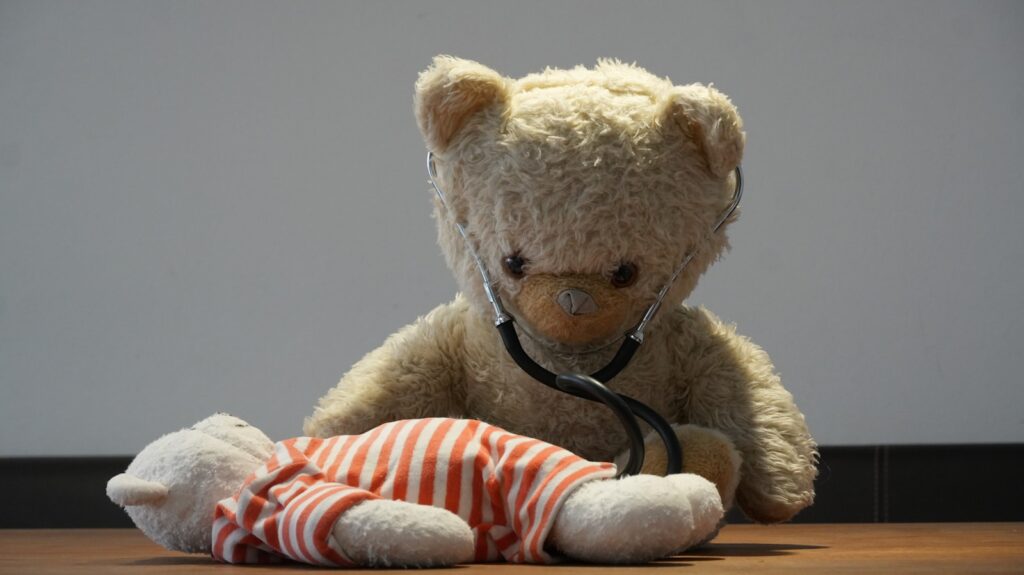
Image: Photo by Milad Fakurian/UnSplash
In related news:
Early signs of Sir Terry Pratchett’s dementia found in his books
Leave a Reply