



















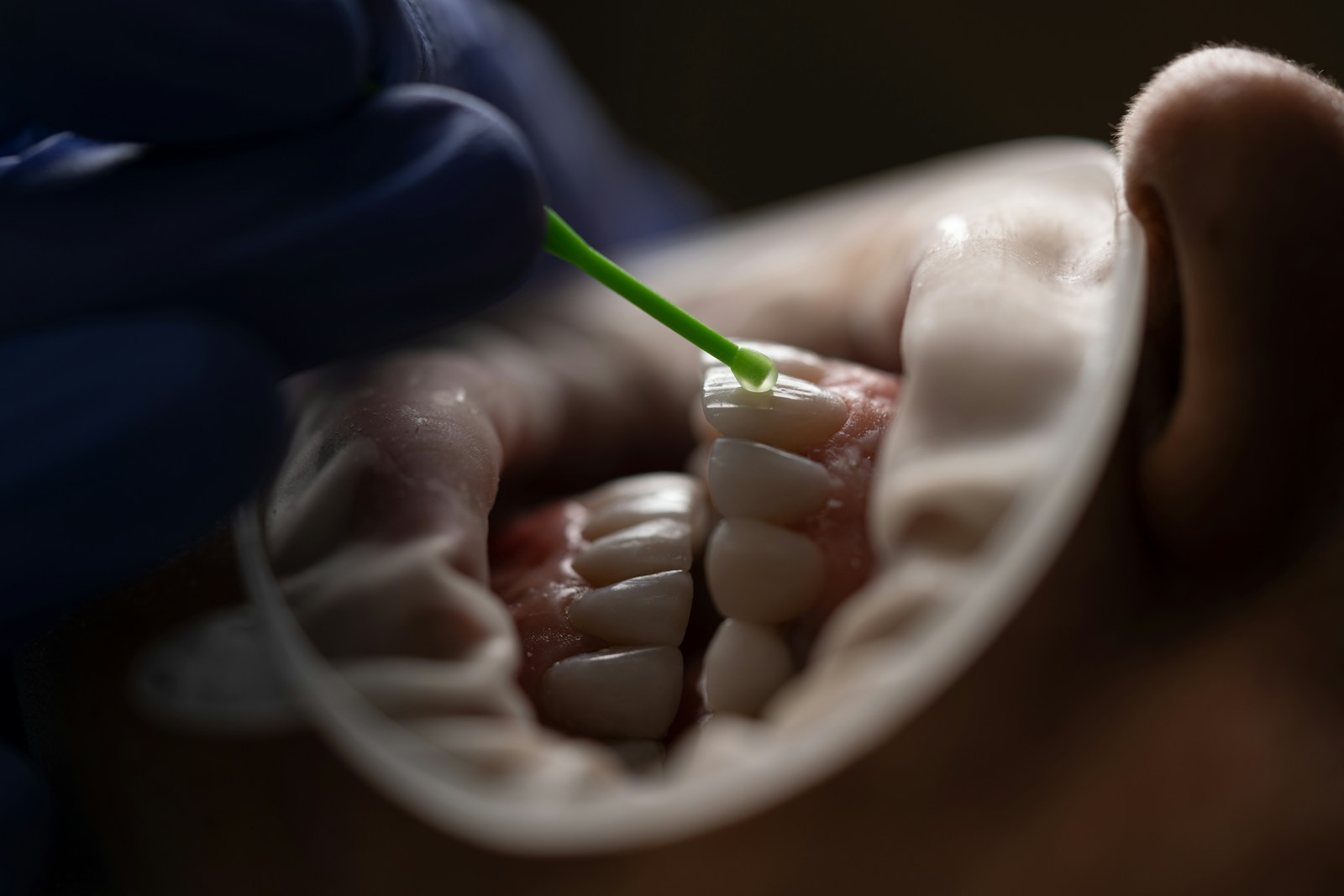
Patients needing urgent or complex dental treatment are set to be prioritised under government plans to reform NHS dentistry in England.
Ministers said the changes, described as the biggest reforms to the NHS dental contract in years, were designed to improve access to care and focus resources on patients with the greatest need. Under the proposals, some patients requiring lengthy or complicated treatment could save up to £225 in dental fees.
Due to be introduced in April 2026, the government said the reforms would overhaul how dentists are paid for NHS care, addressing concerns that the current system favours routine check-ups over more complex treatment.
The existing contract, which dates back to 2006, pays dentists using Units of Dental Activity (UDAs) and different treatments are allocated a set number of units. Critics have argued this has encouraged dentists to focus on simpler procedures rather than spending longer with patients who have serious dental problems.
Dentists have also said NHS payments do not cover the cost of complex care, leading some practices to reduce or stop NHS work altogether.
Under the proposed changes, dentists will be encouraged to provide longer-term treatment for conditions such as severe tooth decay and gum disease. Instead of multiple appointments patients will receive a tailored package of care delivered over time.
Minister for care Stephen Kinnock said: ‘We inherited a broken NHS dental system and have worked at pace to start fixing it – rolling out urgent and emergency appointments and bringing in supervised toothbrushing for young children in the most deprived areas.
‘Now we are tackling the deep-rooted problems so patients can have faith in NHS dentistry – these changes will make it easier for anyone with urgent dental needs to get NHS treatment, preventing painful conditions from spiralling into avoidable hospital admissions.’
Other measures that have been outlined as part of the plan include water fluoridation schemes and a supervised toothbrushing programme for young children.
‘This is about putting patients first and supporting those with the greatest need, while backing our NHS dentists, making the contract more attractive and giving them the resources to deliver more,’ Kinnock added.
Dental groups across England welcomed the news, but said more concrete details were needed.
Neil Carmichael, executive chair of the Association of Dental Groups, said: ‘We broadly welcome the dental contract reforms and look forward to receiving more details as soon as possible in the new year so that practices have the time and ability to prepare to implement these changes.’
Children’s dental health experts also welcomed the focus on prevention. Dr Oosh Devalia, president of the British Society of Paediatric Dentistry, said: ‘BSPD welcomes [the] announcement on NHS Dental Contract reform as a positive step and we look forward to seeing what this means for children and young people.’
Image: Kamal Hoseinianzade/UnSplash
In related news:
From systems to people: how Bromley is transforming social care
New SEMH provision for children with urgent needs in Dunstable
Leave a Reply