















Campaigners said the decision will lift thousands of children out of poverty.
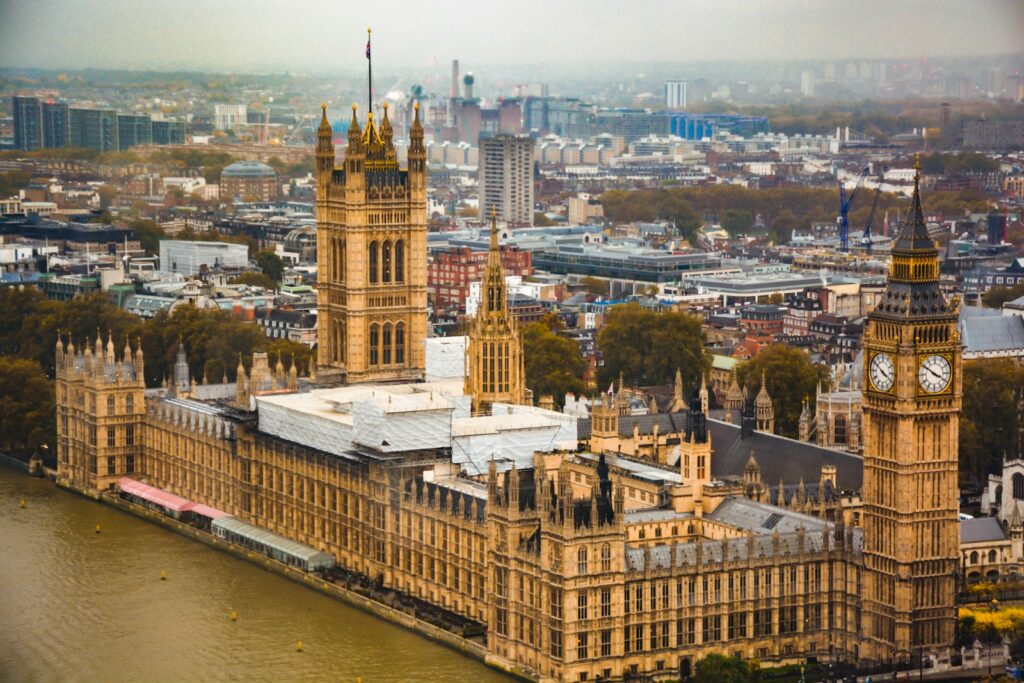
At 12.30pm today (26th November), chancellor Rachel Reeves unveiled her second autumn budget in the House of Commons. During the statement, she confirmed the government will remove the two-child benefit cap, with the change due to come into force from April 2026.
‘There is one policy that pushes kids into poverty more than any other,’ Reeves said during her address. ‘It was introduced by the party opposite [the Conservatives].
‘They said it would save money and bring about behavioural change, disincentivising poorer families from having more children. Even on its own terms, it failed.’
‘What it has done is push hundreds of thousands of children into poverty,’ Reeves added.
The two-child limit, introduced by the Conservatives in 2017, prevents families from receiving additional universal credit for any child born after their second. Research by the Institute for Fiscal Studies (IFS) shows families affected miss out on around £3,500 a year per child.
With the cap now set to be revoked, the Child Poverty Action Group estimates that roughly 350,000 children will be lifted out of poverty, while a further 700,000 will experience reduce levels of hardship.
Lord John Bird, founder of the Big Issue, has long campaigned for the policy’s removal and welcomed today’s announcement.
‘The abolition of the two-child benefit limit will offer relief to thousands of children who have had no choice in inheriting the poverty of their parents,’ Bird said. ‘A situation where young people are punished for the lottery of their birth is intolerable.
‘Scrapping this pernicious policy will improve the immediate circumstances of those children in large, poorer families. In a budget that has required tough choices, the chancellor is right to prioritise protecting the poorest households, who continue to feel the bite of the cost of living crisis more keenly than everyone else.’
According to figures from the Resolution Foundation, removing the two-child limit is expected to cost the UK around £3.5bn a year by the end of the decade.
Helen Barnard, director of policy at Trussell, said: ‘The cruel two-child limit has driven countless families into hardship, forced to turn to food banks to survive. Today’s announcement of its full and swift removal will help ensure all our children have the best possible start in life, ease pressure on public services and help to boost our economy.’
In similar vein, the chairs of the cross-party committees for Education, Work and Pensions have issued a joint statement welcoming the news with (virtual) open arms.
Helen Hayes and Debbie Abrahams said: ‘The policy was directly linked to damaging the opportunities of a generation of children, who were dragged into poverty through no fault of their own. The fact that nearly three-quarters of children living in poverty are from working families is rarely said.
‘Additional cash support to families with more than two children will make a direct and positive impact on their children’s wellbeing. However, many families will very quickly come up against the benefit cap which puts a maximum limit on the benefits a working-age household can receive.
‘Cash support through the social security system is essential to alleviate poverty but the comprehensive child poverty strategy needs to go much further and wider, involving all government departments.’
Echoing a similar tone, Professor Ashwin Kumar, director of research and policy at IPPR, and former advisor to Gordon Brown, remarked: ‘Today marks a landmark moment. The life chances of 1.6 million children have been improved, with 450,000 children lifted out of poverty by the end of the parliament. This will boost health, attainment, and future earning prospects for children across the country.
‘Ten children in every classroom are living in poverty — in the sixth richest country in the world. The two-child limit has played a particularly damaging role in this. Since its introduction in 2017, the policy has actively punished hundreds of thousands of children for the perceived ‘sins’ of their parents.’
Image: Shutterstock
In related news:
Feature: Bromley shows how digital change improves social care
Government extends soft drinks levy to improve nation’s health
Leave a Reply